Yellowstone Fly Fishing: A Complete Guide to the Park's Rivers
The Madison, Firehole, Lamar and Slough Creek — a season-by-season plan for America's most storied trout park.
Yellowstone National Park protects some of the most iconic trout rivers in North America. The park's fishing season, regulations, and hatch calendar are unique and reward advance planning.
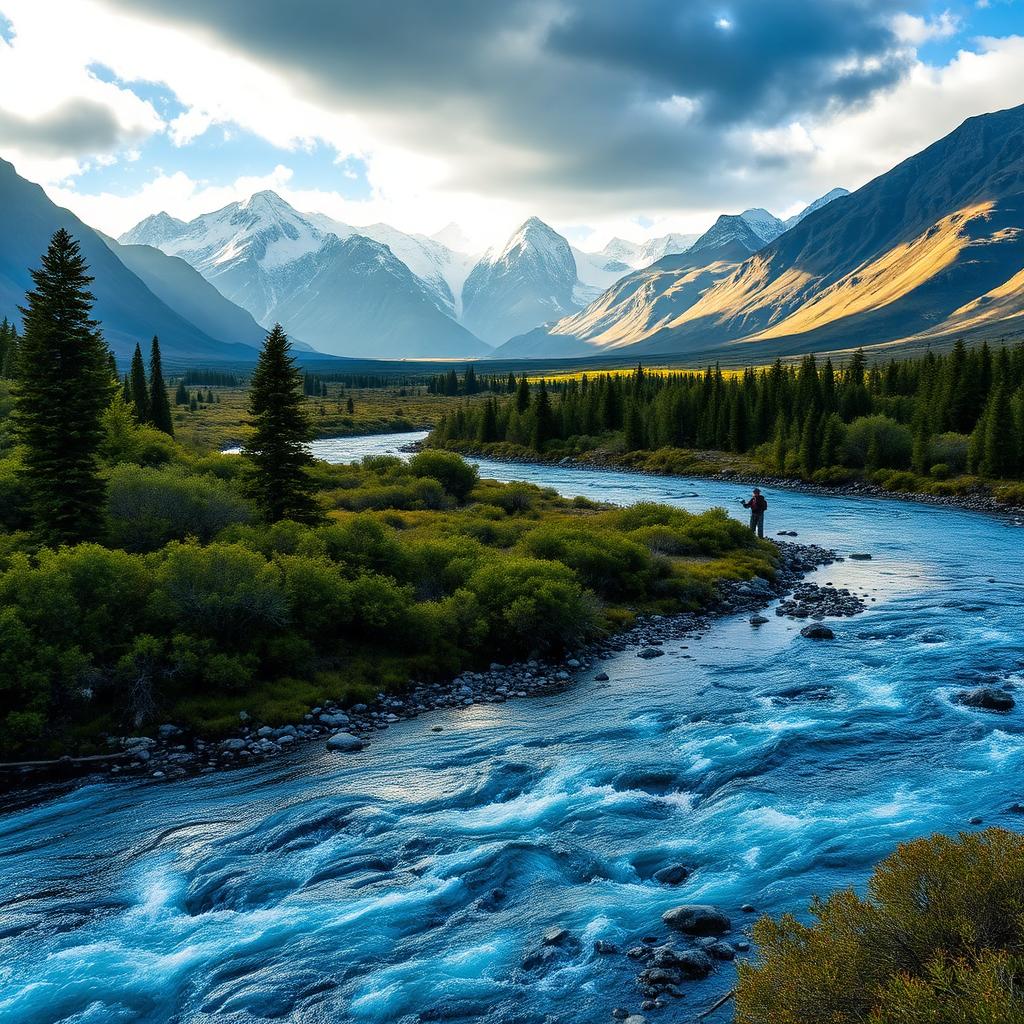
Yellowstone National Park is the most storied trout fishing destination in North America, and it deserves the reputation. Within the park's 2.2 million acres flow some of the most iconic trout rivers on Earth — the Yellowstone, Madison, Firehole, Gibbon, Lamar, and Slough — each with distinct character, hatches, and fish.
The season structure
The park's fishing season traditionally runs from Memorial Day weekend through the first Sunday of November. The opener is a scrum on the Madison and Firehole; savvy anglers head for less pressured tributaries. Peak dry fly fishing runs from mid-July through September. Fall brings big brown trout up from Hebgen Lake into the Madison in one of North America's premier runs.
The Firehole: warm water, thermal features
The Firehole is a rare warm-water trout stream, heated by geothermal input from the geyser basins. Fishing peaks in June before summer water temperatures push trout into refuges. PMDs, caddis, and white miller hatches are legendary. Wading through steam vents past bison herds is a genuinely surreal experience.
The Madison in the park
Above the confluence with the Firehole, the Madison inside the park is technical, spooky, and rewarding. Long leaders, small tippets, and precise presentations are required. The fall brown trout run from Hebgen Lake transforms this water into some of the finest streamer fishing on the continent.
The Lamar Valley: cutthroat country
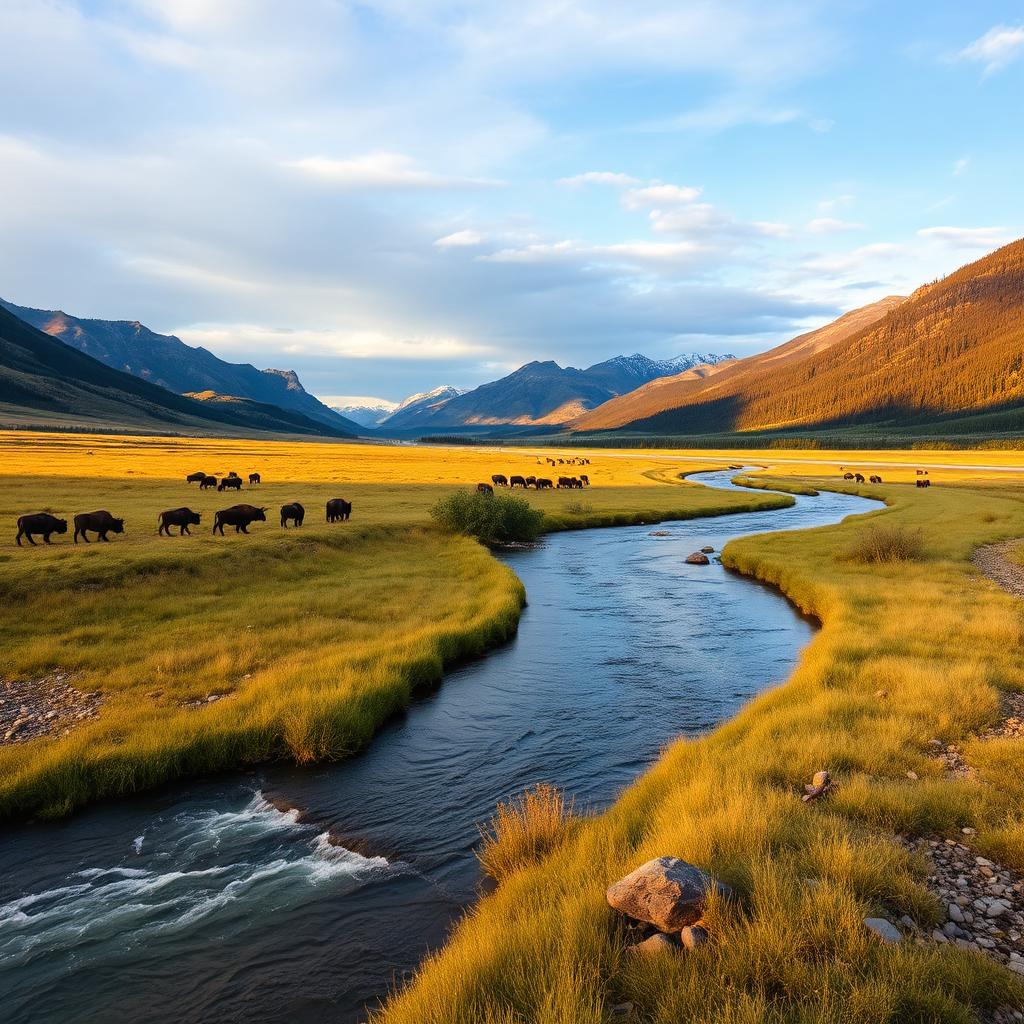
The Lamar and its tributary Slough Creek are dedicated Yellowstone cutthroat waters. These are eager, willing fish — a beginner's paradise once you make the drive. Terrestrials in August (hoppers, ants, beetles) produce nonstop surface action. Bison, wolves, and grizzlies share the valley — bear spray is required equipment, not optional.
Regulations and ethics
The park requires a Yellowstone-specific fishing permit, sold at visitor centers and gateway fly shops. Regulations vary by water — some are catch-and-kill for non-native species, others are strict catch-and-release. Barbless hooks are required. Read the current regulations before every trip; they change year to year.
Logistics
West Yellowstone, Montana, is the main basecamp for anglers, with a dozen quality fly shops and lodging at every price point. Gardiner, Cooke City, and Cody serve as alternate gateways. Rental cars are essential — the park is enormous, and the drive between waters is often two hours. Book lodging six months in advance for peak season.
Guiding services
Local guides charge $500 to $800 per day for wade trips. For a first Yellowstone visit, hire one for the first day to learn hatches and water types. Bob Jacklin's Fly Shop and Blue Ribbon Flies in West Yellowstone are institutional operators with deep bench strength.
Beyond the marquee water
The park has more than a thousand miles of fishable water, and the lesser-known creeks — Cache, Nez Perce, Bacon Rind — see a fraction of the pressure with equally willing fish. A backcountry permit and a topographic map open up a lifetime of exploration.
Yellowstone is not a place you fish once. It is a place you return to, learning new water each visit, understanding why it has defined American trout fishing for a century.
Buy a Yellowstone-specific fishing permit online before you arrive; visitor center lines can eat two hours of a valuable morning. Print the current year's regulations — they change annually.
Frequently Asked
- When does the park open?
- Memorial Day weekend through first Sunday of November for most waters. Some tributaries have later openings.
- Do I need a Montana or Wyoming license?
- No. Park permits are separate and stand alone.
- What's the best home base?
- West Yellowstone for the western rivers; Gardiner for the northern range and Lamar Valley.
- Is a guide necessary?
- For a first visit, at least one guided day is highly recommended. Water diversity is enormous.