Patagonia: Planning a Trout Fishing Trip of a Lifetime
Argentine estancias, Chilean rainforest rivers, and the sea-run browns of Tierra del Fuego.
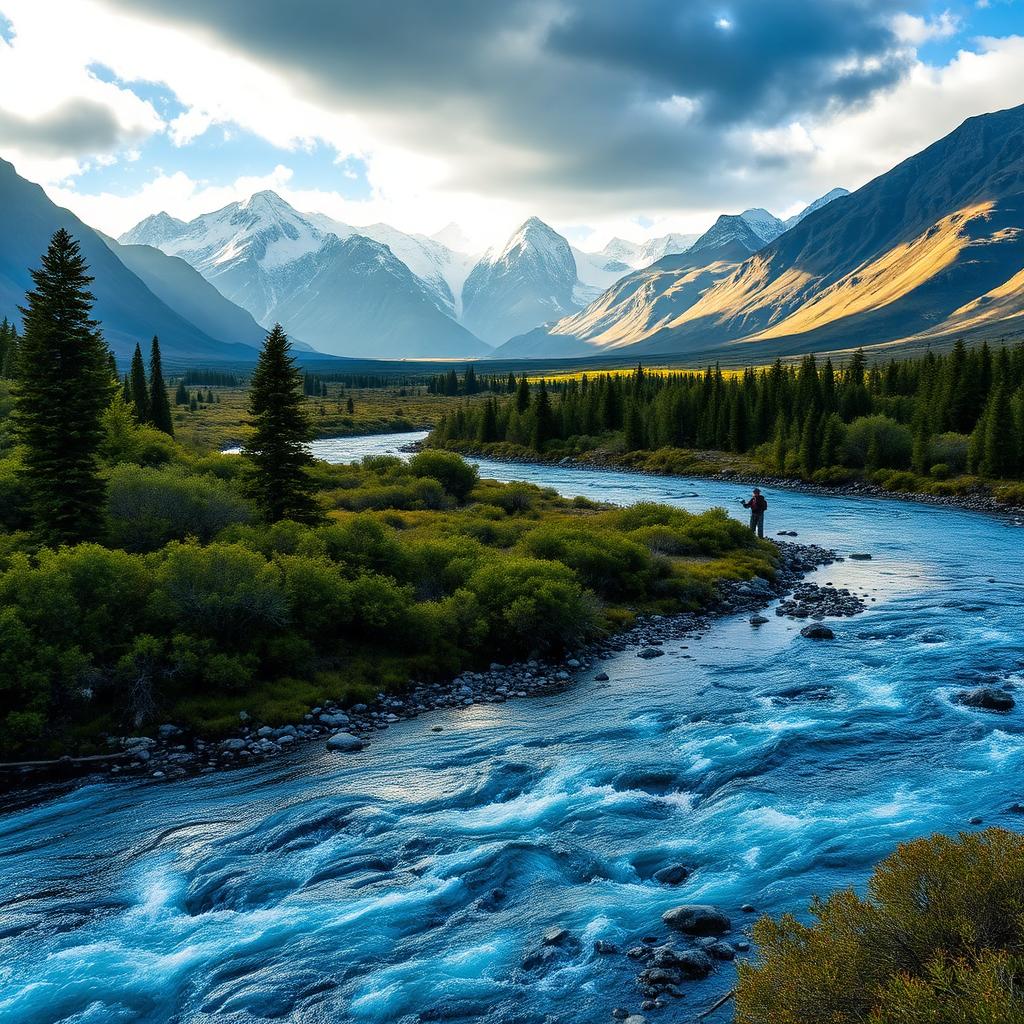
Patagonia's trout fishery is the product of European brown and rainbow trout introductions in the early 20th century meeting nutrient-rich waters and low fishing pressure. The result is a region where trophy fish are routine.
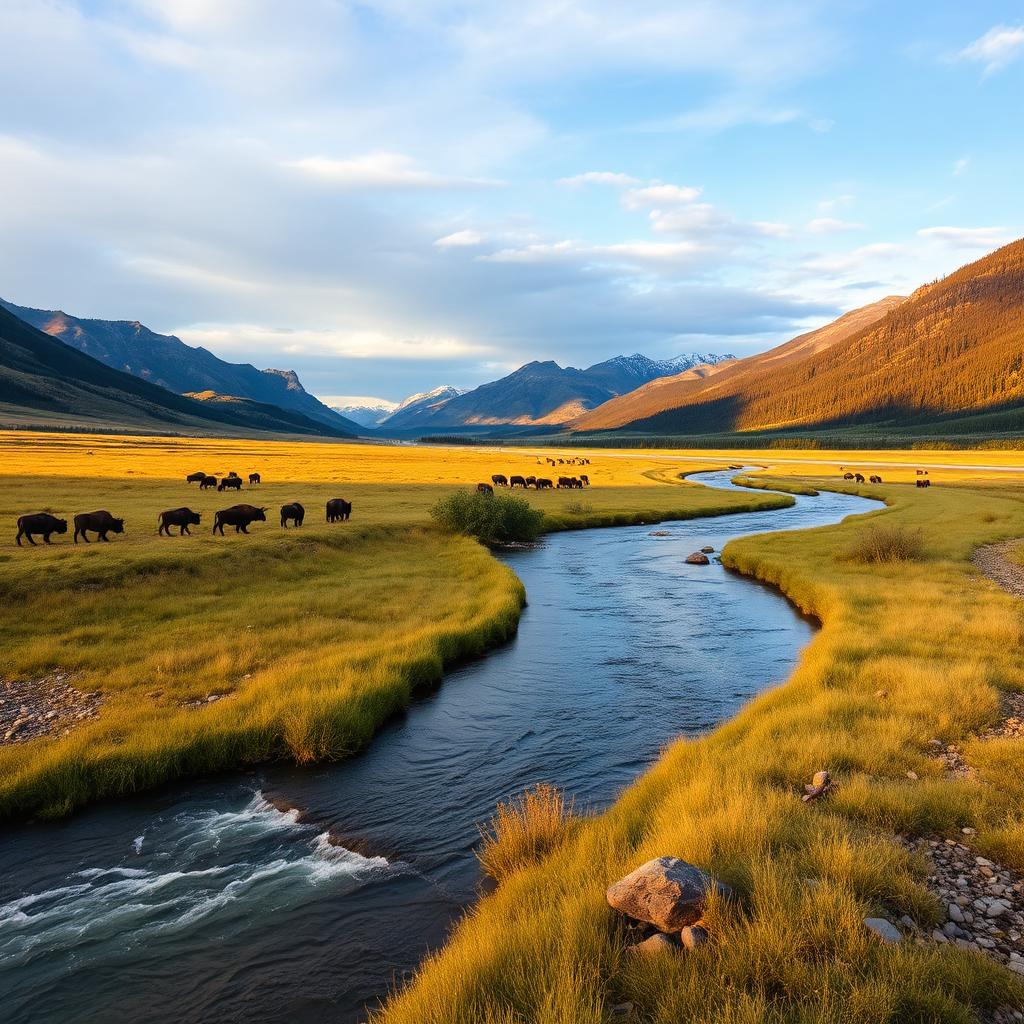
Patagonia — the sprawling southern cone of Chile and Argentina — is the destination trout anglers eventually work their way toward. The scale is different from anywhere else. Rivers run for hundreds of miles through empty country. Trout regularly exceed 24 inches. The wind blows 40 miles per hour and everyone pretends it is fine.
Geography and access
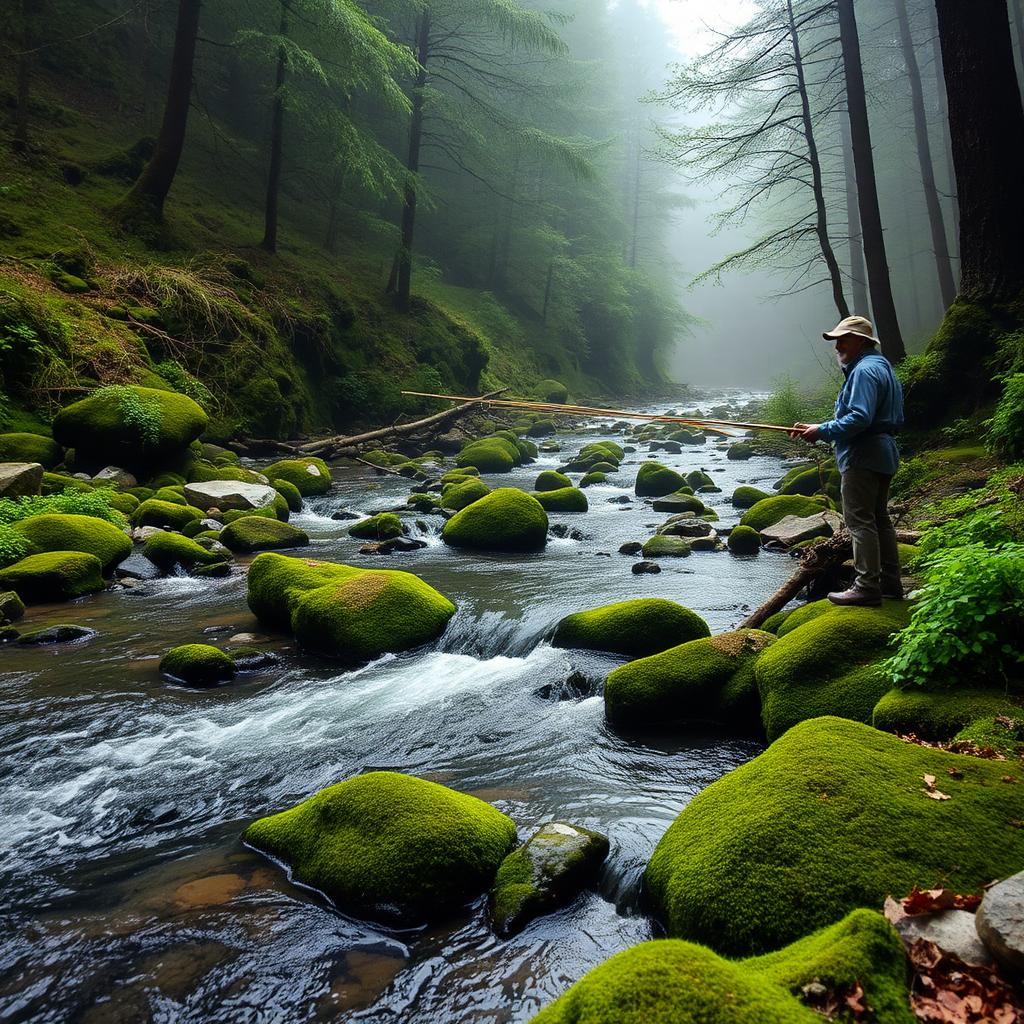
The core Patagonian trout region stretches from around Bariloche in Argentina south to Coyhaique in Chile. Rivers on the Argentine side — the Limay, Chimehuin, Malleo, Collon Cura, Rio Grande — are wider and more windswept. Chilean rivers — the Simpson, Baker, Palena, Yelcho — flow through denser rainforest and are more sheltered.
Seasons
The Southern Hemisphere season runs November through April. December and January bring warm weather and prolific hatches. February and March are prime dry fly months. April brings the first fall cold fronts and the trophy brown trout of the Rio Grande in Tierra del Fuego, arguably the world's finest sea-run brown fishery.
Species and size
Introduced rainbow and brown trout dominate. Fish over 20 inches are routine; fish over 24 inches are realistic every trip. In the sea-run rivers of Tierra del Fuego, browns of 15 to 25 pounds are the target. Native perch, brook trout in select waters, and landlocked salmon add variety.
Gear considerations
A 9-foot 6-weight is the versatile Patagonian workhorse — heavier than typical trout tackle to handle wind and larger fish. A backup 7 or 8-weight for streamers and windy days is smart. Bring long leaders (12 feet or more), a full range of tippet down to 5X, and a well-stocked fly box heavy on large attractors, streamers, and terrestrials.
Estancias and lodges
Traditional lodging is at estancias — working ranches that host anglers — with full-service lodges offering guided fishing, meals, and transport. Rates range from $500 per day at basic operations to $2000+ per day at premium sea-run lodges. All-inclusive week packages simplify logistics and are the standard model.
Independent travel
Ambitious anglers travel independently with a rental car and a topo map, camping and fishing public access rivers. This is dramatically cheaper (under $100 per day) but requires Spanish, patience with regulations, and willingness to fish blind on massive water. The Chilean Carretera Austral is the classic self-guided route.
Regulations
Both Chile and Argentina require regional fishing licenses, sold locally. Regulations differ by province and river — some are fly-only catch-and-release, others allow bait and harvest. Do the research before you go. Biosecurity is taken seriously — all wading gear must be inspected and disinfected at border crossings and river accesses to prevent didymo spread.
Cultural notes
Patagonia moves slowly. Lunch is at 2 pm, dinner at 10 pm. Guides are patient masters who have often fished the same water for thirty years — listen to them. Tip 10 to 15 percent in cash. Learn a few phrases of Spanish; the effort is universally appreciated.
Patagonia is not a bargain destination, but it delivers the most consistent trophy trout fishing on Earth. Save for it, plan for it, and go before it changes further.
For sea-run browns on the Rio Grande, book two years out — the premier lodges (Kau Tapen, Villa Maria) sell out immediately. For general Patagonian trout, six to nine months is sufficient lead time.
Frequently Asked
- When is the Southern Hemisphere season?
- November through April, peaking in February-March.
- How much does a week cost?
- $4,000-$8,000 all-inclusive at mid-tier lodges. $10,000+ at sea-run trophy lodges. Independent travel: $1,500-$3,000.
- Do I need Spanish?
- Not at lodges. Yes, if traveling independently.
- Which country — Chile or Argentina?
- Argentina for big open rivers and wind. Chile for sheltered rainforest streams and mixed species.