Trout Ecology and the Ethics of Catch-and-Release
What trout need to survive, how climate change is reshaping fisheries, and what anglers can do that actually helps.
Trout are indicator species requiring cold, oxygenated, clean water and complex habitat. Populations are declining in many regions due to temperature rise, habitat fragmentation, and non-native pressures. Angler ethics have direct measurable impact on post-release survival.
Trout are indicator species. Where trout thrive, the surrounding ecosystem is generally healthy. Where trout decline, something in the water — temperature, sediment, chemistry, flow — is out of balance. Understanding trout ecology is therefore inseparable from understanding the rivers themselves.
What trout need
Wild trout require cold water (ideally under 65°F for extended survival), high dissolved oxygen, clean gravel for spawning, and complex habitat with pools, riffles, and cover. Break any one of these requirements and trout populations decline, often collapsing before humans notice.
The threats
The primary threats to trout waters globally are consistent: rising water temperatures from climate change and riparian deforestation, sediment loading from land-use change, dewatering from agricultural withdrawal, chemical pollution from mining and agriculture, and habitat fragmentation from dams and road crossings. Non-native species introductions add pressure — brown trout displace native brook trout in the eastern US, and non-native rainbow trout compete with native cutthroats in the West.
Catch-and-release: the ethics and the science
Catch-and-release, when done well, has post-release mortality rates under 5 percent for most trout species. Done poorly — treble hooks, extended fights, air exposure, water above 70°F — mortality can exceed 30 percent. The angler's responsibility is knowing the difference:
- Use barbless hooks and debarb every fly.
- Fight fish quickly with adequate tackle.
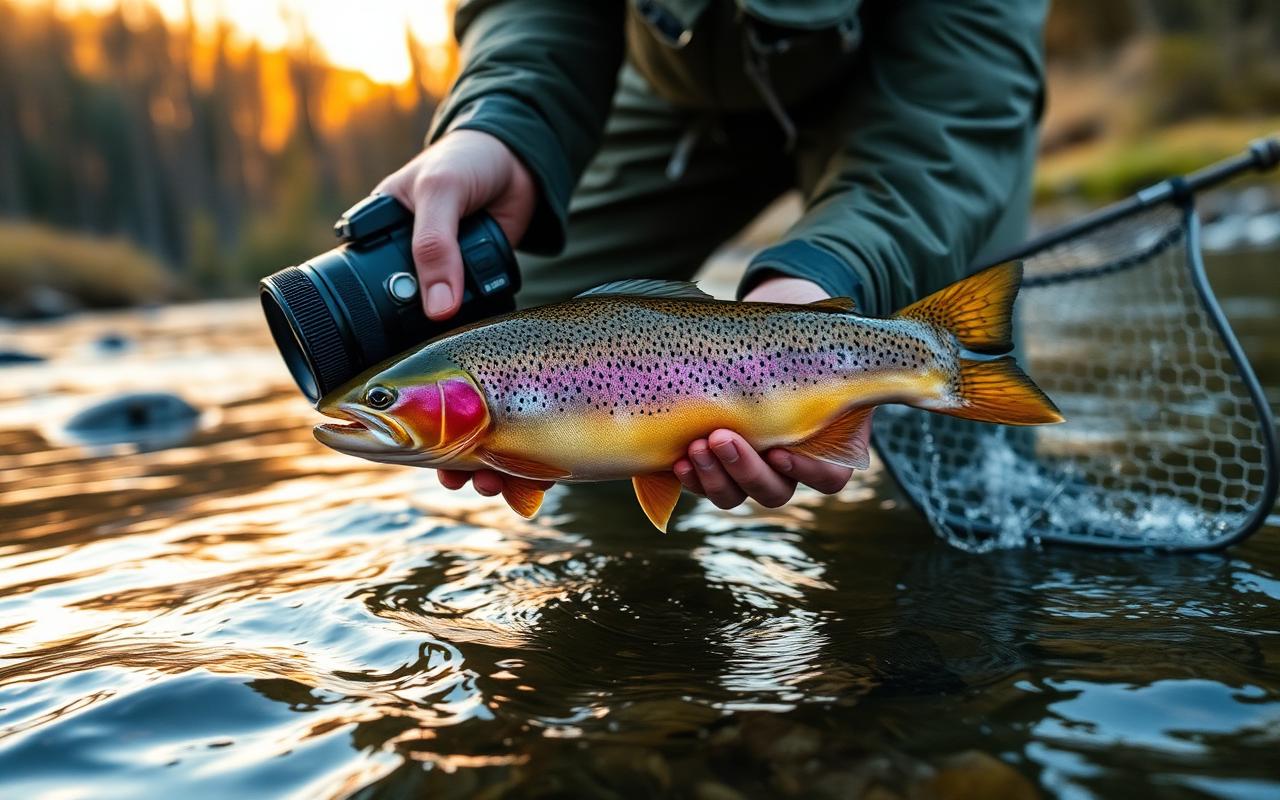
- Keep the fish in the water. If you must lift for a photo, five seconds maximum.
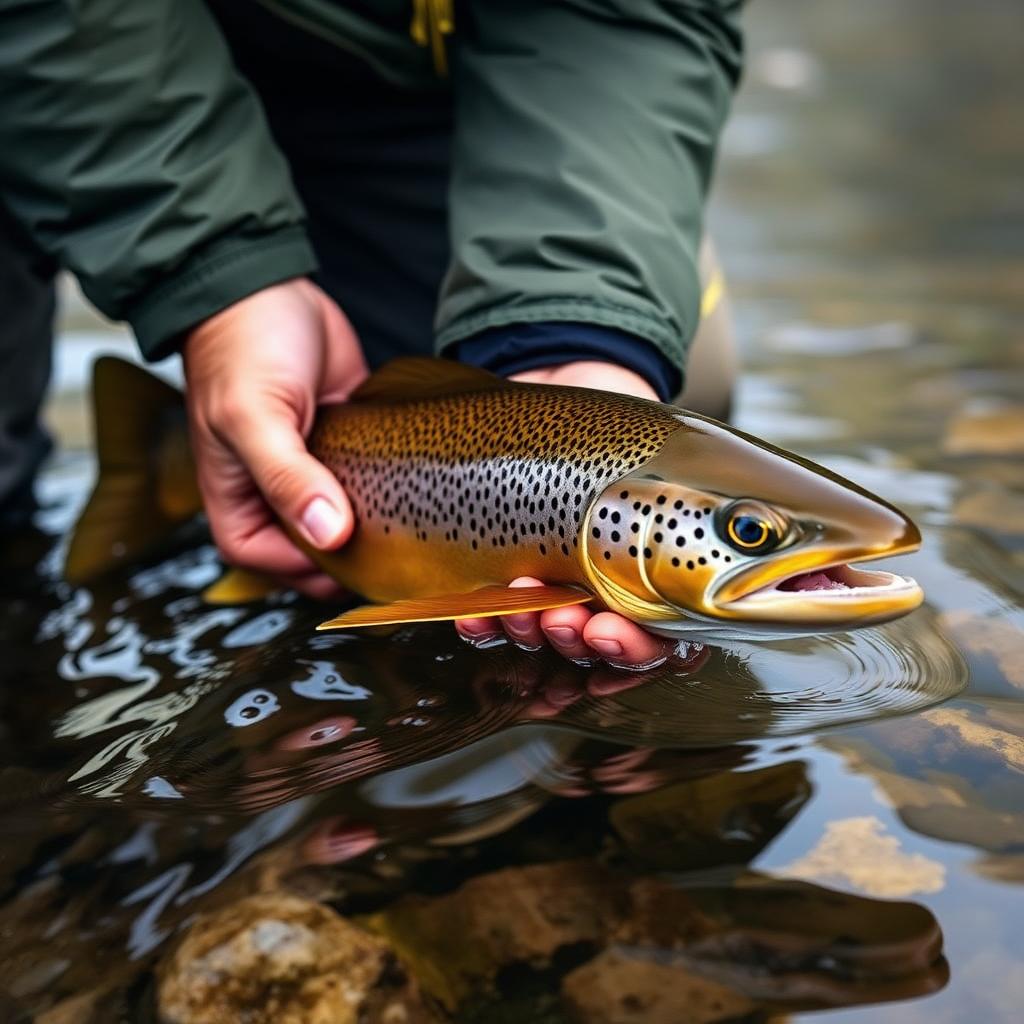
- Wet your hands before handling. Never squeeze.
- Revive the fish facing upstream until it swims off strongly.
- Stop fishing when water temperatures exceed 68°F — this is not optional in a warming climate.
Native versus wild versus stocked
A native fish evolved in the water where it is found. A wild fish was born in the wild but may not be native (e.g., wild brown trout in Appalachian streams). A stocked fish was raised in a hatchery and released. All three have angling value, but native populations warrant the strongest protection. Learn what is native to your local watershed and advocate for its preservation.
Conservation organizations
Trout Unlimited (US), Wild Trout Trust (UK), Federation of Fly Fishers, Native Fish Society, and dozens of regional groups do the on-the-ground work of habitat restoration, policy advocacy, and youth education. Membership dues fund culvert removals, riparian plantings, and legal defense of trout waters. Joining one is the single most impactful thing an angler can do for the sport.
The volunteer opportunity
Beyond membership, direct volunteer work — redd surveys, cleanup days, invasive species removal, monitoring programs — trains anglers as citizen scientists and produces real data that fisheries agencies use. Most watersheds have volunteer opportunities every month during the field season.
Climate change is not abstract
The USGS documents rising stream temperatures across nearly every trout watershed in the American West. Historic ranges are shrinking. Alpine and boreal populations are the most vulnerable. Anglers who love their home waters are, whether they realize it or not, on the front line of climate adaptation.
The intergenerational contract
Every angler inherited waters that previous generations protected — or failed to protect. The fish you catch today are only there because someone decided the river was worth defending. Whether the next generation inherits the same opportunity depends on choices made now.
Fly fishing without conservation is extraction. Fly fishing with conservation is stewardship. The sport only survives as the latter.
Carry a stream thermometer. When water hits 68°F, stop fishing. This single practice, adopted widely, would dramatically reduce catch-and-release mortality across warming western rivers.
Frequently Asked
- What is the post-release mortality rate?
- Under 5% when done correctly. Over 30% with poor handling, warm water, or extended fights.
- Are barbless hooks really important?
- Yes. They dramatically reduce handling time and physical damage. Required by regulation in most premier trout waters.
- How do I take a photo without harming the fish?
- Keep the fish in the water until the camera is ready. Lift for maximum 5 seconds. Support the belly, never squeeze.
- What is the most impactful conservation action?
- Join Trout Unlimited and participate in local chapter work. Membership funds legal and restoration work at scale.