Tenkara: An Ancient Tradition Reshaping Modern Fly Fishing
The Japanese fixed-line tradition, its recent Western adoption, and what it teaches about simplicity.
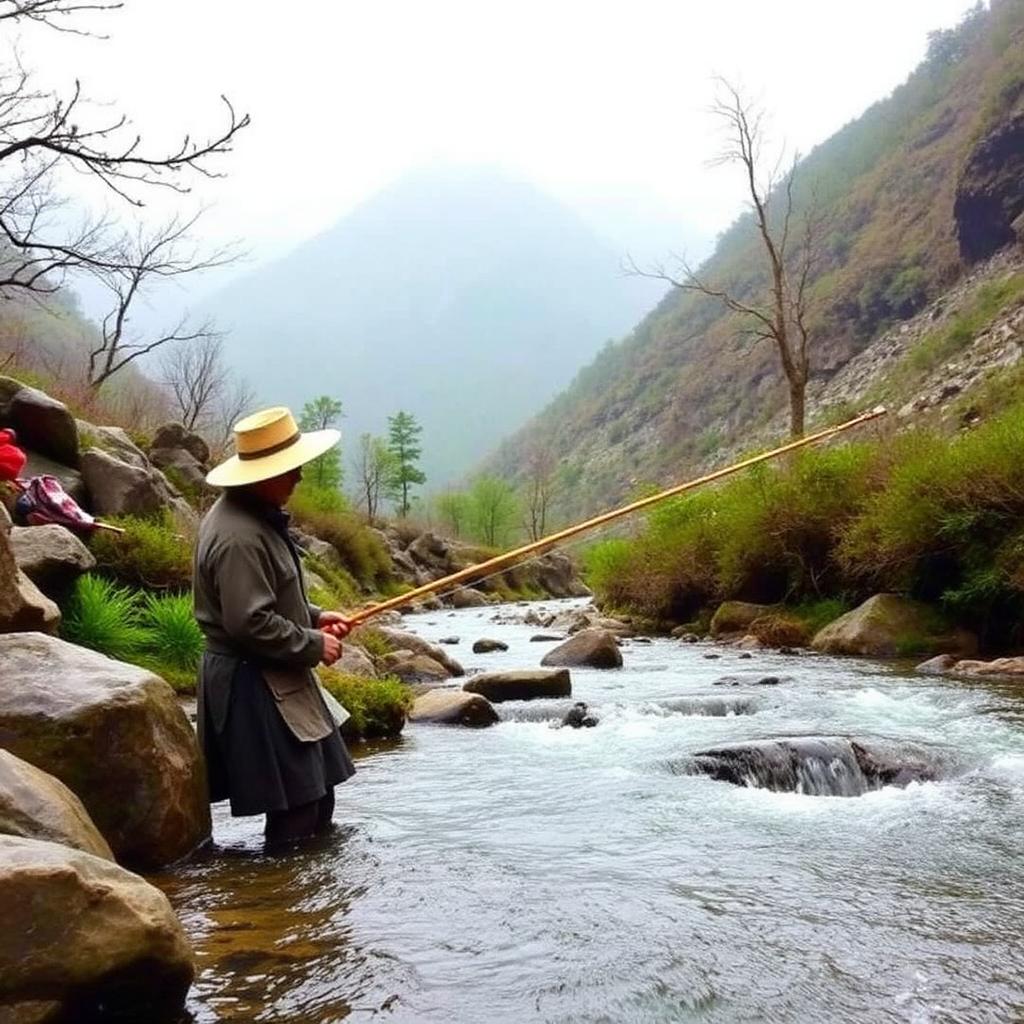
Tenkara originated among Japanese mountain commercial fishermen who valued the portability and effectiveness of a fixed-line, single-fly system on small streams. Its arrival in the West around 2009 has created a new subculture within fly fishing.
The Japanese practice of tenkara has, over the past fifteen years, become one of the most influential imports into Western fly fishing. What began as a niche interest has evolved into a serious minimalist tradition that has changed how many anglers think about small-stream fishing.
What tenkara is, and what it is not
Tenkara is fixed-line fly fishing with a long telescoping rod, a fixed length of level or tapered line, tippet, and a single unweighted fly. No reel. It originated in the mountain streams of Japan among commercial fishermen — the ancestors of modern practitioners — who valued the simplicity and portability of the system for their long walks between remote watersheds.
Tenkara is not merely 'fly fishing without a reel.' The technique — the wrist-driven cast, the sensitive rod tip that animates the fly, the pause-and-hold presentation — is genuinely different from Western casting. Treating a tenkara rod as an incomplete fly rod misses the point entirely.
The gear
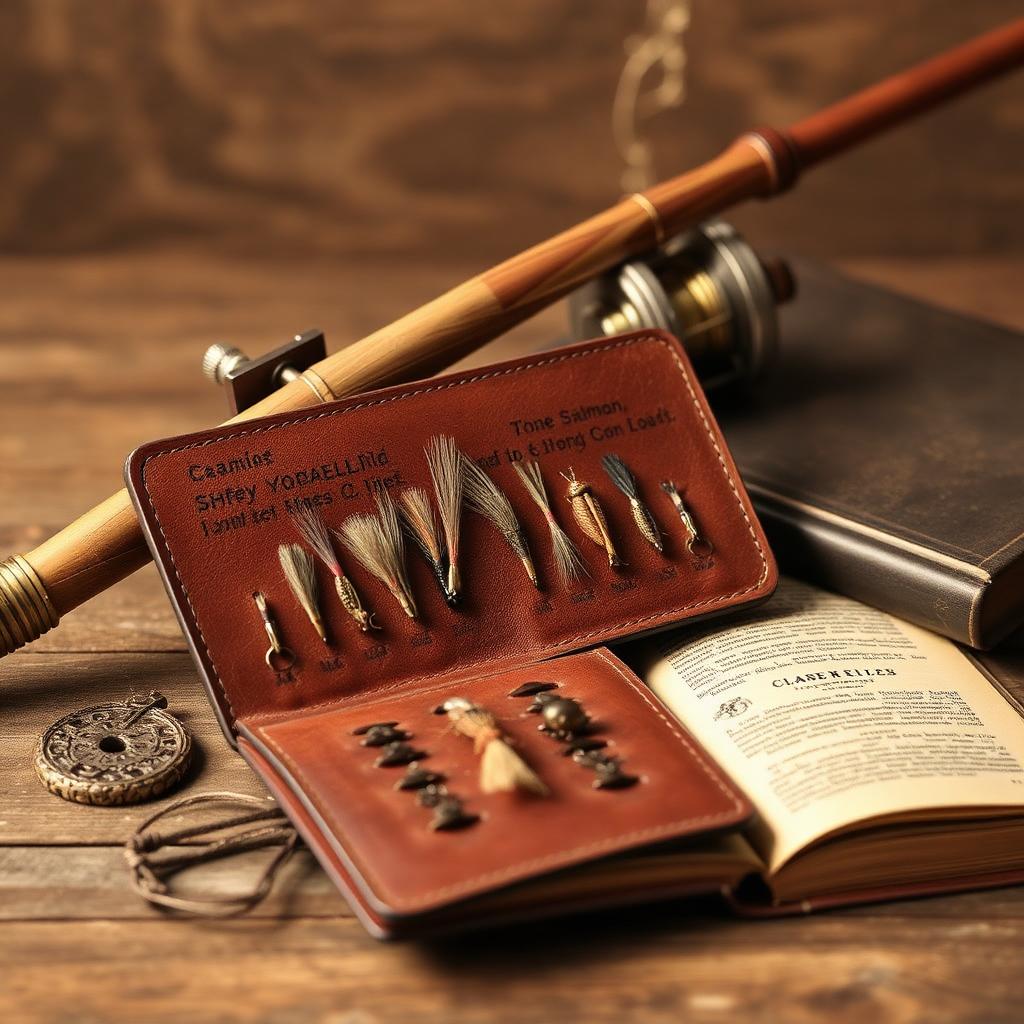
A tenkara rod is a hollow carbon telescoping shaft, typically 3.5 to 4.5 meters long, that collapses into a 60cm carrying length. Level line — a single-diameter fluorocarbon or nylon — is common in Japan; tapered furled lines are more common in Western tenkara. Tippet is 5X to 7X depending on fly size and conditions. The traditional fly is the sakasa kebari — a reverse-hackle wet fly designed to pulse when animated.
The technique
The cast is a short, precise flick with the rod tip stopping high. The fly lands, drifts briefly, and then the angler animates it — small twitches, lifts, and pauses that suggest a struggling insect. Because there is no reel and no slack line, strikes transmit instantly through the rod tip. Hook sets are immediate. Fights are direct, with the rod's flex acting as the shock absorber.
Where tenkara excels
Small mountain streams under twenty feet wide, especially with tight canopy that limits back-casting room, are tenkara's home water. On a pocket-water creek where a fixed 12-foot line reach is enough, tenkara out-fishes a nine-foot fly rod because you can drop the fly precisely and eliminate drag by holding line off the water.
Where tenkara struggles
Big rivers with distant lies, deep nymphing, streamer fishing, saltwater, or any scenario requiring long casts or heavy flies are outside tenkara's design envelope. It is a specialty tool that excels within its domain and fails outside it. Owning both a tenkara rod and a Western setup is the pragmatic answer.
The philosophy
Japanese tenkara practitioners often emphasize the philosophical dimension — the reduction to essentials, the connection to place, the discipline of a single fly. Western adopters can either embrace this or treat tenkara as pure technique. Both approaches are valid, but the sport benefits when practitioners understand the tradition rather than stripping it for parts.
Getting started
A quality entry-level tenkara rod (Tenkara USA, Dragontail, Nissin) runs $100 to $200. Add a spool of level line, some 5X and 6X tippet, and a dozen sakasa kebari or small Western dries. Practice casting in a park before your first stream outing. Expect a learning curve of a few outings — the rhythm is different.
Tenkara is not a replacement for Western fly fishing. It is a parallel tradition that, when studied on its own terms, deepens the whole sport.
For your first tenkara outing, resist the urge to bring your Western setup as backup. Commit to the system entirely for one day. The forced adaptation teaches presentation faster than any hybrid approach.
Frequently Asked
- Is tenkara harder or easier than Western fly fishing?
- Easier to start (no reel, single fly), but the presentation techniques require dedicated practice.
- Can I catch big fish on tenkara?
- Yes, up to about 20 inches with skill. Beyond that, the fixed-line system becomes unmanageable.
- What is a sakasa kebari?
- A reverse-hackle wet fly — hackle collar swept forward instead of backward — that pulses when animated.
- Best entry-level tenkara rod?
- Tenkara USA Sato ($225) or Dragontail Shadowfire ($100) are both proven starter rods.