Small Stream Brook Trout: The Best Classroom in Fly Fishing
Short rods, six flies, and a stealth-first approach to the headwater streams that teach more than any tailwater.
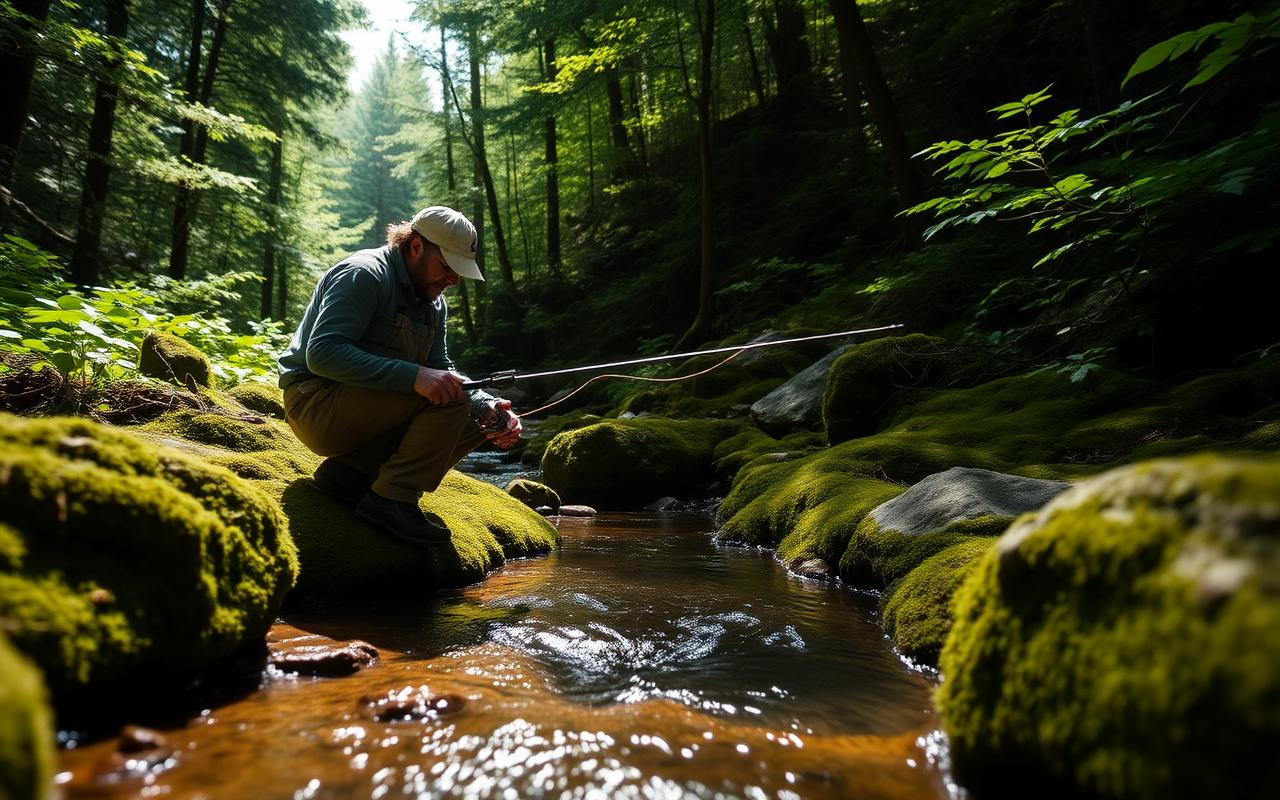
Headwater brook trout streams are small, cold, forested, and often hold genetically isolated native populations. Fishing them inverts the normal skill hierarchy, making stealth and short-range accuracy far more important than casting distance.
Somewhere between the beginner's first stocked pond and the destination angler's western tailwater there is a fishery that gets almost no editorial attention and rewards more skill per acre than anything else in freshwater: the small mountain brook trout stream. Three feet wide in places, canopied by rhododendron or hemlock, holding wild fish that are seven inches long and four years old. It is the best classroom in fly fishing and, for many anglers, eventually the only place they want to be.
What makes small water different
On a big river, distance and drift management dominate. On a small stream, neither matters. Casts are fifteen feet or less, often flicked or bow-and-arrowed under branches. Drifts last two seconds. The fish are not selective in the spring-creek sense — a wild brookie in an infertile mountain stream cannot afford to refuse calories — but they are extraordinarily wary, because everything in that ecosystem eats them.
This inverts the skill hierarchy. Stealth becomes the dominant skill, accuracy second, and casting distance essentially irrelevant. An angler who can crawl to a plunge pool and place a fly in a dinner-plate target with one motion will outfish a world-class distance caster by an order of magnitude.
The right tackle
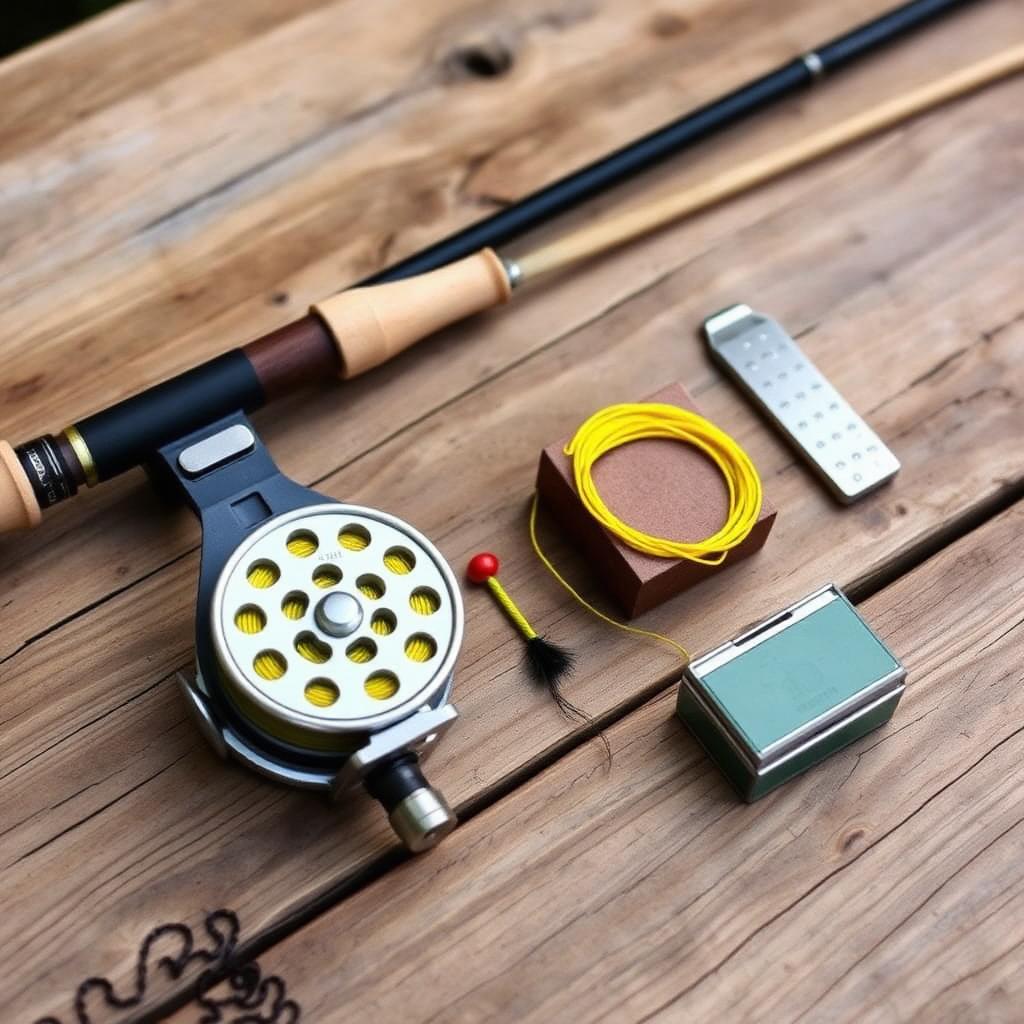
- Rod: 6'6" to 7'6", 2 or 3-weight, moderate action. Short enough to swing under branches, soft enough to load with eight feet of line out.
- Line: weight-forward floating, often one size heavy, so the rod loads at very short range.
- Leader: 7.5 feet, 5X. Shorter than trout-river norms because the whole cast is short.
- Reel: anything that holds line and balances the rod. No fish here will reach the drag.
- Everything else: one small fly box, nippers, forceps, tippet, and nothing more. Small-stream fishing rewards a light pack because you will be climbing.
Flies: fewer than you think
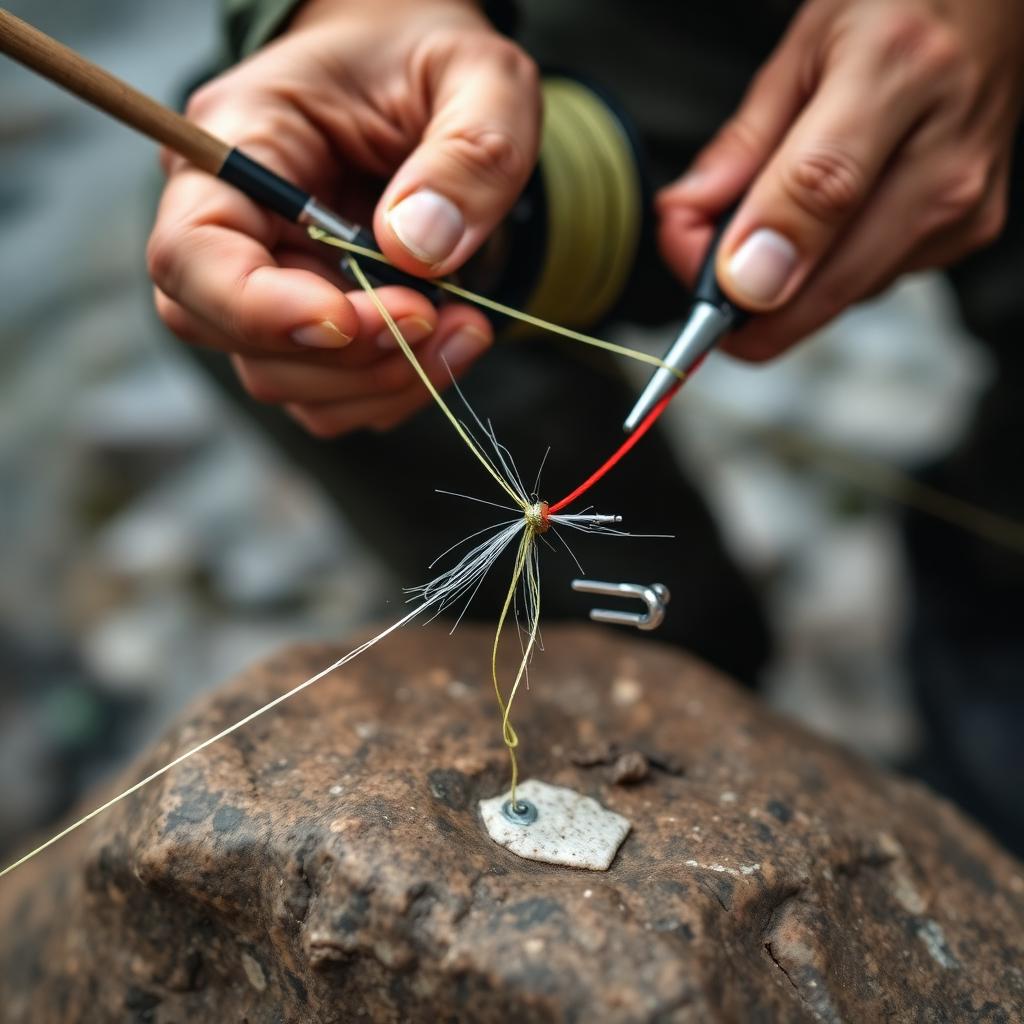
A functional small-stream box has perhaps six patterns. A high-floating attractor dry — Stimulator, Royal Wulff, or Elk Hair Caddis in 12 to 16 — will catch fish on most days of the season. A foam beetle and a small ant cover midsummer terrestrials, which in these forested drainages account for a huge fraction of the trout's diet. A beadhead Pheasant Tail and a small Woolly Bugger cover cold water and high water. That is the box. Anglers who bring three hundred patterns to a brook trout stream are decorating, not fishing.
Reading tiny water
Small streams are a repeating sequence of the same four features, and once you learn to see them the stream becomes a series of obvious targets.
- Plunge pools: the scour beneath a small waterfall or step. The best fish sits at the front, in the cushion where the white water dissipates.
- Pocket water: the calm downstream side of every boulder. A fly needs to land on the boulder's shoulder and swing into the pocket.
- Undercut banks: often on the outside of a bend under root systems. Holds the largest fish in the reach and demands a sidearm cast under the overhang.
- Log jams and woody debris: cover, food, and shade in one package. Fish tight to the wood, accept that you will lose flies.
Ignore the featureless shallow runs between them. On a small stream you can move quickly through eighty percent of the water and spend your time on the twenty percent that holds fish.
Approach: the whole game
Fish upstream, always. Trout face into the current, and an angler coming from below stays out of their field of view. Stay low — crouch, kneel, or crawl at the tail of good pools. Keep off the skyline. Wear muted colours. Move slowly, because a wild brook trout registers sudden movement long before it registers shape.
Enter the water as little as possible. Wading a three-foot stream sends a pressure wave and a plume of silt through every lie above you. When you must wade, place your feet as though you are trying not to wake someone in the next room. A single dislodged rock will shut down a pool for ten minutes.
Cast once. On big water you can work a run with six drifts. Here the first drift is the one that counts; by the third the fish either ate or is on alert. If the first cast is bad, wait a minute before the second rather than lashing the pool immediately.
Casting under a canopy
Overhead casting is often physically impossible. Learn three alternatives. The bow-and-arrow cast — hold the fly by the hook bend, load the rod tip, release — delivers a fly ten to fifteen feet with zero backcast. The sidearm roll cast puts the line under branches instead of into them. And the simple dapple, where you extend the rod and lower the fly onto the water with no cast at all, catches more small-stream trout than anyone admits in print.
Brook trout as a species worth caring about
In the eastern United States, brook trout are the only native stream salmonid, and their present range is a fraction of the historic one. They have been pushed upstream by warming water, sedimentation, acid deposition, and competition from introduced brown and rainbow trout. The population you are fishing over in a headwater hollow is frequently a genetically isolated remnant that has been in that drainage since the last glaciation.
That changes how a thoughtful angler behaves. Fish barbless. Keep them wet. Do not fish these streams in drought conditions when water is warm and low and fish are stacked into the last cold pools. Support the culvert-replacement and riparian-planting work that local Trout Unlimited chapters do — replacing one perched culvert can reconnect miles of spawning habitat, which is more good than any individual angler's restraint will ever accomplish.
What you get back
Nobody fishes small mountain streams for size. The reward is a different set of things: solitude that western destination rivers no longer offer, fish that are unarguably wild, water cold enough to ache your hands in August, and a technical challenge that scales down rather than up. It is also the cheapest serious fly fishing available. A modest 3-weight, a box of six flies, and a public forest road is the entire budget.
Most anglers arrive here after a decade of chasing bigger fish in more famous places, and describe the same realisation: that a six-inch brook trout rising to a dry fly in water you had to hike to is not a lesser version of the sport. It is the concentrated form of it.
Fish upstream and cast once per lie. A second cast into a small pool is usually a wasted cast; move on and come back in twenty minutes if the fish looked good.
Frequently Asked
- What rod for small streams?
- A 6'6" to 7'6" 2 or 3-weight with moderate action. Short enough for canopy, soft enough to load at ten feet.
- How many flies do I need?
- About six patterns: an attractor dry, an elk hair caddis, a beetle, an ant, a small beadhead nymph, and a small bugger.
- Are brook trout hard to catch?
- They eat readily but spook instantly. The challenge is approach, not fly selection.
- When should I stay off these streams?
- During summer drought and low warm water, when fish are concentrated in the last cold pools and release mortality rises.