Leader and Tippet Fundamentals: The Invisible Half of Your Rig
Diameter, taper, X-ratings and material choices — the small details that make a big difference.
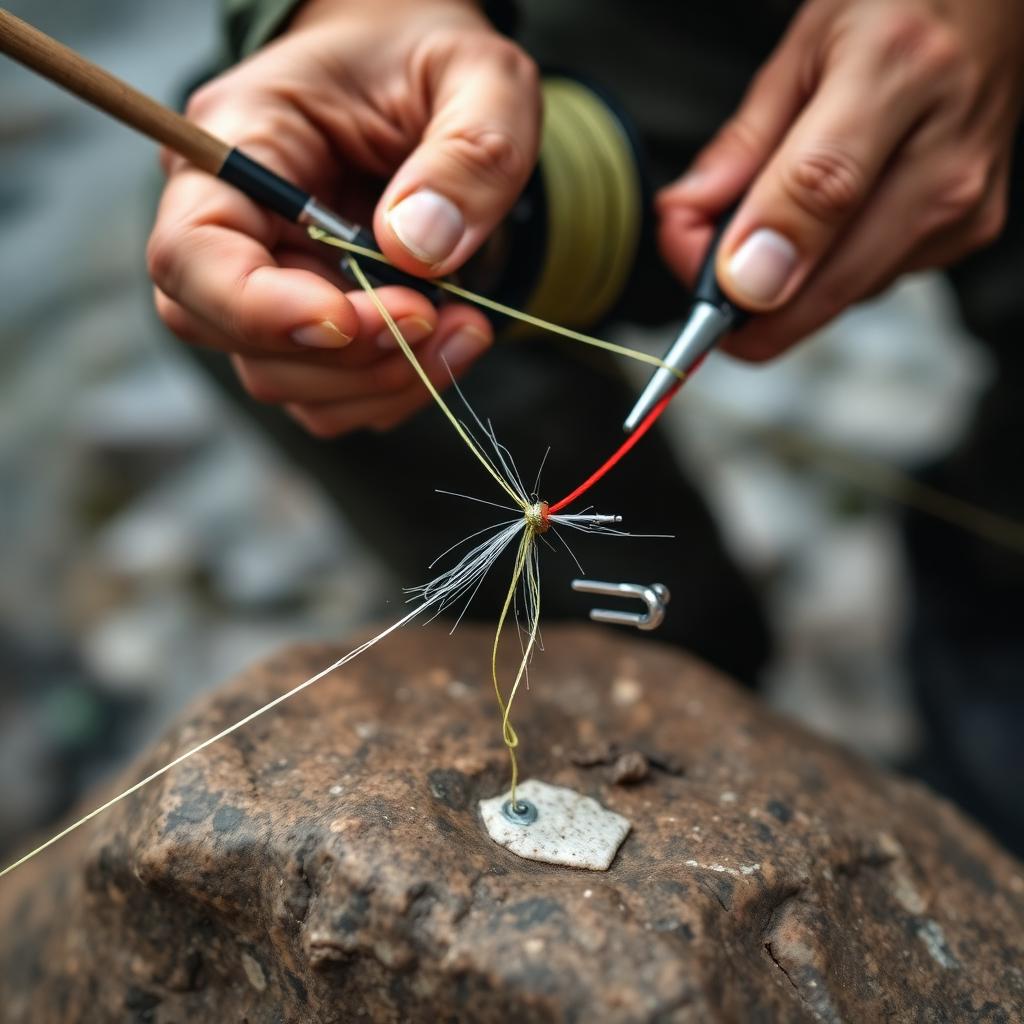
The leader is the tapered connection between fly line and fly. Its diameter, length, material and freshness determine whether the fly drifts naturally or gets refused by every fish that sees it.
The leader and tippet are the least glamorous part of the fly fishing system and the most frequently misunderstood. They are also the difference between a fly that drifts naturally into a trout's window and one that skates across the surface like it is being dragged by an invisible string. Understanding leader logic pays dividends every single day on the water.
What a leader actually does
A leader is a tapered length of monofilament or fluorocarbon that connects your thick fly line to your tiny fly. It has three functions: it transfers casting energy so the fly turns over cleanly, it fades from visible to nearly invisible as it approaches the fish, and it acts as a shock absorber on the hook set. A leader that fails at any one of these tasks compromises the whole presentation.
Reading leader specifications
Commercial leaders are labeled by length, tippet diameter, and tippet strength — for example, '9ft 5X' means a nine-foot leader tapering to 5X tippet. The X-rating is an inverse scale: the higher the number, the thinner the tippet. 0X is roughly 0.011 inches; 7X is roughly 0.004 inches. Thinner tippet drifts more naturally and hides better but breaks more easily under load.
Matching tippet to fly size
The classic rule of thumb is the 'divide by three' guideline: divide the hook size by three to find the appropriate X-rating. A size 12 fly fishes well on 4X; a size 18 wants 6X. This is a starting point, not gospel. Adjust up for spooky fish in gin-clear water, and down when you need turnover for a wind-resistant hopper or weighted nymph rig.
Monofilament versus fluorocarbon
Nylon monofilament floats slightly, stretches under load, and is inexpensive. It is the default choice for dry fly leaders. Fluorocarbon sinks, has a refractive index close to water making it less visible subsurface, and is more abrasion resistant. It costs more but shines for nymphing, streamer fishing, and any subsurface presentation. Do not use fluorocarbon for dries — it drags the fly under.
Building your own tapered leaders
Store-bought leaders are convenient but expensive over time. A knotted leader built from three or four sections of descending diameter monofilament costs a fraction as much and lets you customize the taper for specific situations. A common trout formula is 40 percent butt section, 20 percent mid-section, 20 percent transition, and 20 percent tippet. Use blood knots or double surgeon's knots between sections.
When to change tippet
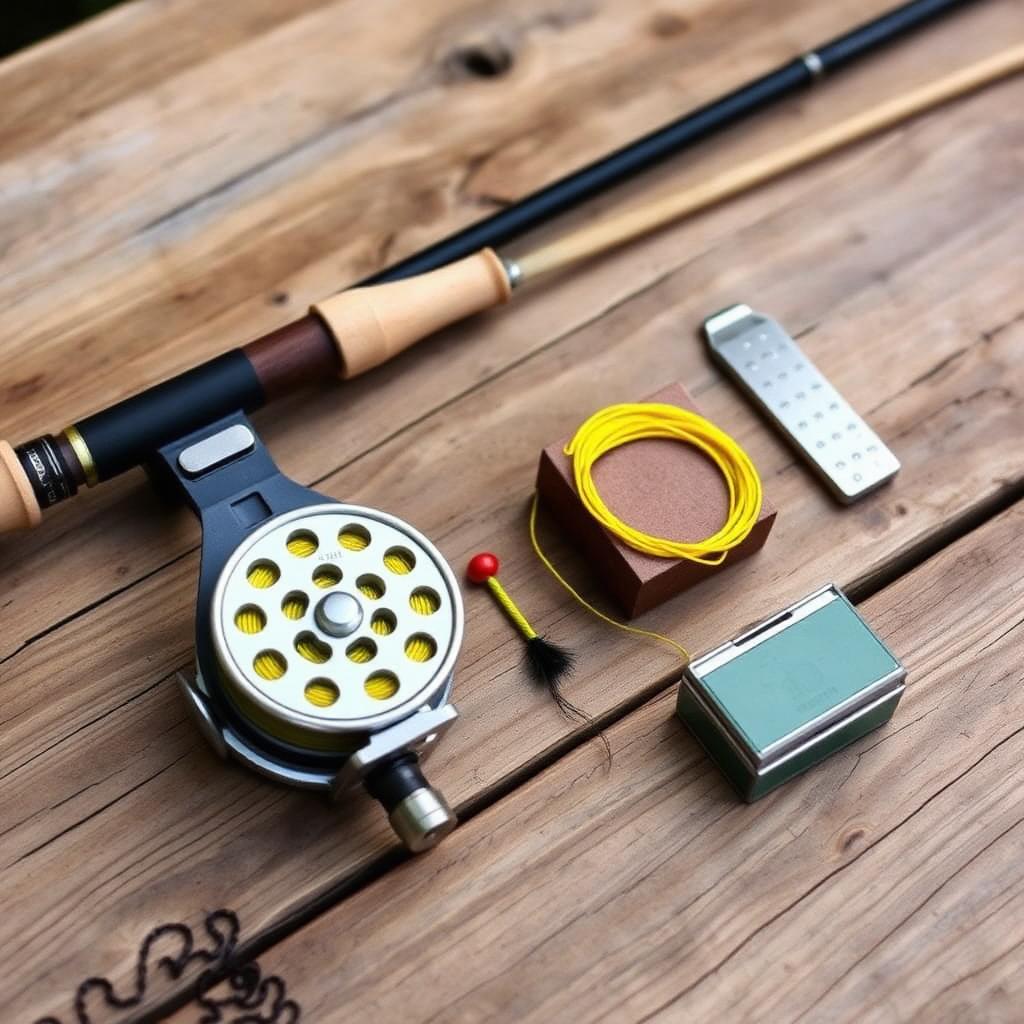
Tippet is a consumable. Every fly change shortens it. Every wind knot weakens it. Once your tippet is under 18 inches, tie in a fresh section. If you have caught more than a few fish on the same tippet, or if it has been sitting in the sun on your reel for a season, replace it. A five-dollar spool of tippet is cheaper than a lost fish of a lifetime.
Common leader mistakes
Beginners tend to fish leaders that are too short, too heavy, and too old. A 7.5-foot 3X leader with sun-damaged tippet is fishing on hard mode. Start with a 9-foot 5X leader, extend the tippet section by 18 to 24 inches for finicky fish, and replace the whole leader every three or four outings. Small refinements at the terminal end produce disproportionate results.
The leader is where your fly line ends and where fishing begins. Treat it as the precision instrument it is and your catch rates will climb.
Carry a small tippet spool holder clipped to your vest with 4X through 6X in nylon and 5X-6X in fluorocarbon. That five-minute rigging change on the river accounts for more fish caught than any fly-box addition.
Frequently Asked
- How long should my leader be?
- Nine feet is the default. Add tippet to 12+ feet for spooky fish; shorten for wind or heavy flies.
- How do I know when to change tippet?
- After every 4-6 fly changes, any wind knot, or when the tippet section drops under 18 inches.
- Fluorocarbon vs monofilament in one sentence?
- Mono for dries (floats), fluoro for anything subsurface (sinks and hides better underwater).
- What knot should I use to attach tippet?
- Double surgeon's knot is the beginner-friendly choice. Blood knots are cleaner but require more practice.