How to Choose Your First Fly Rod Without Overspending
Line weight, length, action and price tiers explained in the terms that actually matter.
Rod action, line weight, and length are the three variables that define a fly rod. Modern manufacturing has made entry-level rods dramatically better than they were even ten years ago, meaning first-time buyers no longer need to spend heavily to get a functional tool.
Choosing your first fly rod is one of the most consequential decisions a new angler makes. Get it right and the learning curve flattens dramatically; get it wrong and you may quietly quit the sport, blaming yourself for what was really an equipment mismatch. This guide walks through the practical logic behind rod selection without the marketing noise.
Line weight is the first decision
Fly rods are classified by line weight, from delicate 1-weights used for tiny brook trout to heavy 12-weights built for tarpon and marlin. For general freshwater fishing on rivers and lakes, the 4, 5, and 6-weight range covers 90 percent of realistic beginner scenarios. A 5-weight is the widely acknowledged do-it-all choice — enough backbone for wind and weighted nymphs, delicate enough for a size 18 dry fly.
Length matches the water
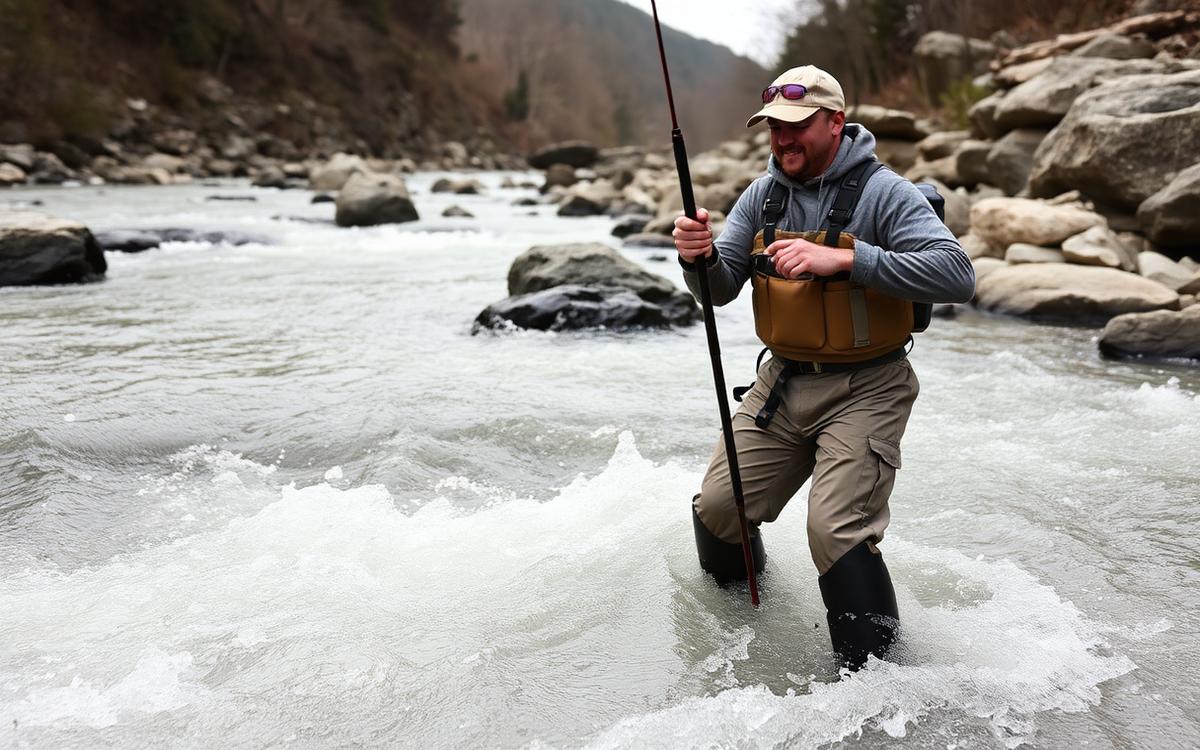
Nine feet is the modern default because it balances reach, mending ability, and casting comfort. Shorter rods — 7 to 8 feet — belong on tight, overgrown small streams where the trees close in. Longer rods, 10 feet and above, dominate European nymphing and stillwater indicator fishing where line control at distance matters more than casting elegance.
Action: fast, medium, or slow
Rod action describes how much of the blank flexes under load. Fast-action rods flex mainly in the top third — they cast tighter loops, punch through wind, and reward crisp technique but punish beginners who overpower them. Medium-action rods flex into the middle, giving forgiving timing and a more organic feel. Slow-action rods, often fiberglass, bend nearly to the grip and are a joy for small fish at short range.
For a first rod, a moderate-fast to medium-fast action is the sweet spot. You get feedback from the rod as it loads, but it still has enough recovery speed to cast in real-world conditions.
Price tiers and what you actually get
Entry-level rods in the $150 to $250 range are dramatically better than the equivalent tier from a decade ago. Brands like Echo, Redington, Orvis Clearwater, and TFO Pro offer graphite blanks, tasteful cosmetics, and lifetime warranties. Moving up to $400 to $600 buys lighter carbon, better components, and refined tapers. Above $800 you are paying for incremental performance and, honestly, prestige. A beginner who spends more than $500 on their first rod is not buying skill — they are buying an expensive lesson.
Reel selection: simple is fine
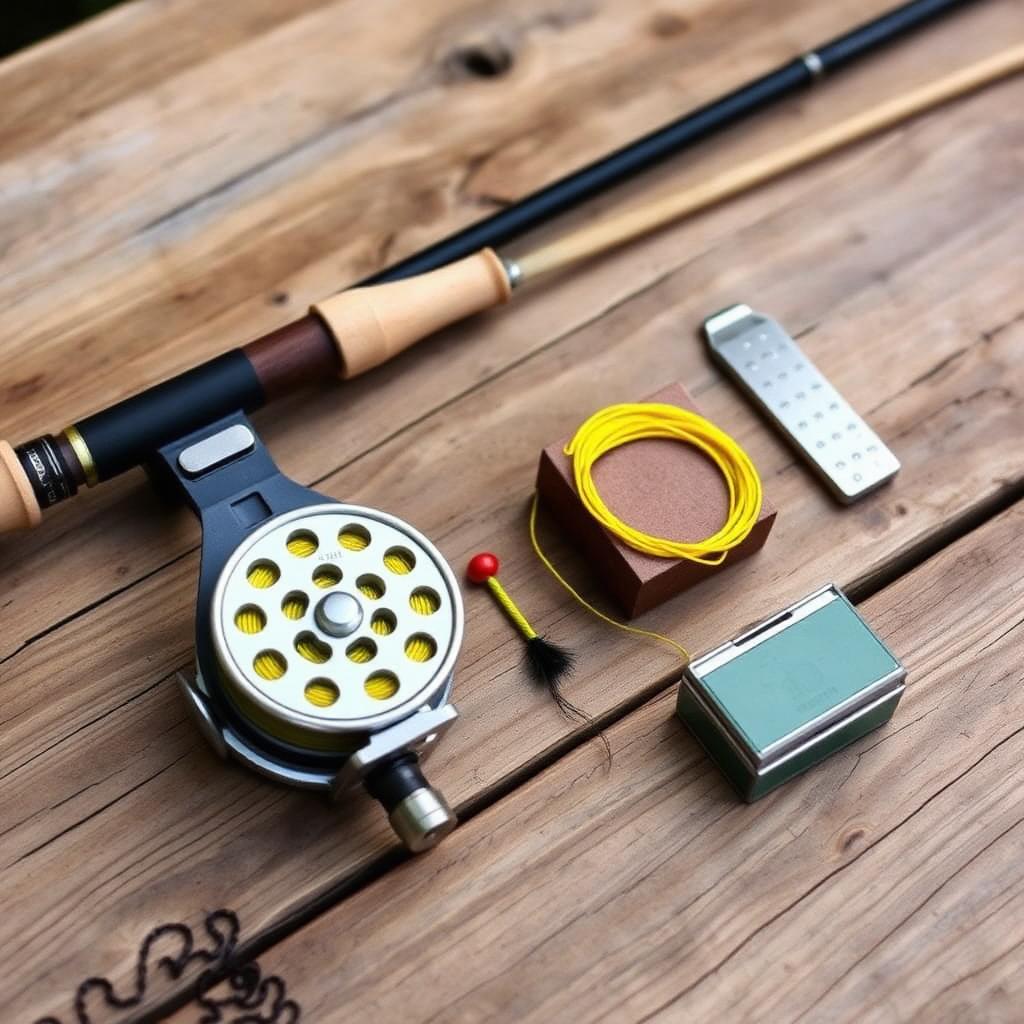
For freshwater trout, the reel is largely a line holder. A machined aluminum reel with a sealed disc drag from a reputable brand is a lifetime purchase. Match the size to the line weight and move on. Do not overspend here until you start chasing steelhead, salmon, or saltwater species where the drag actually matters.
Fly line is the real performance variable
A mediocre rod with a premium, correctly matched fly line will outcast a premium rod with a worn or wrong line. Buy a weight-forward floating line from Scientific Anglers, Rio, or Cortland. Replace it every one to three seasons depending on use. Store it out of sunlight and clean it once or twice a year with warm soapy water.
Try before you buy when possible
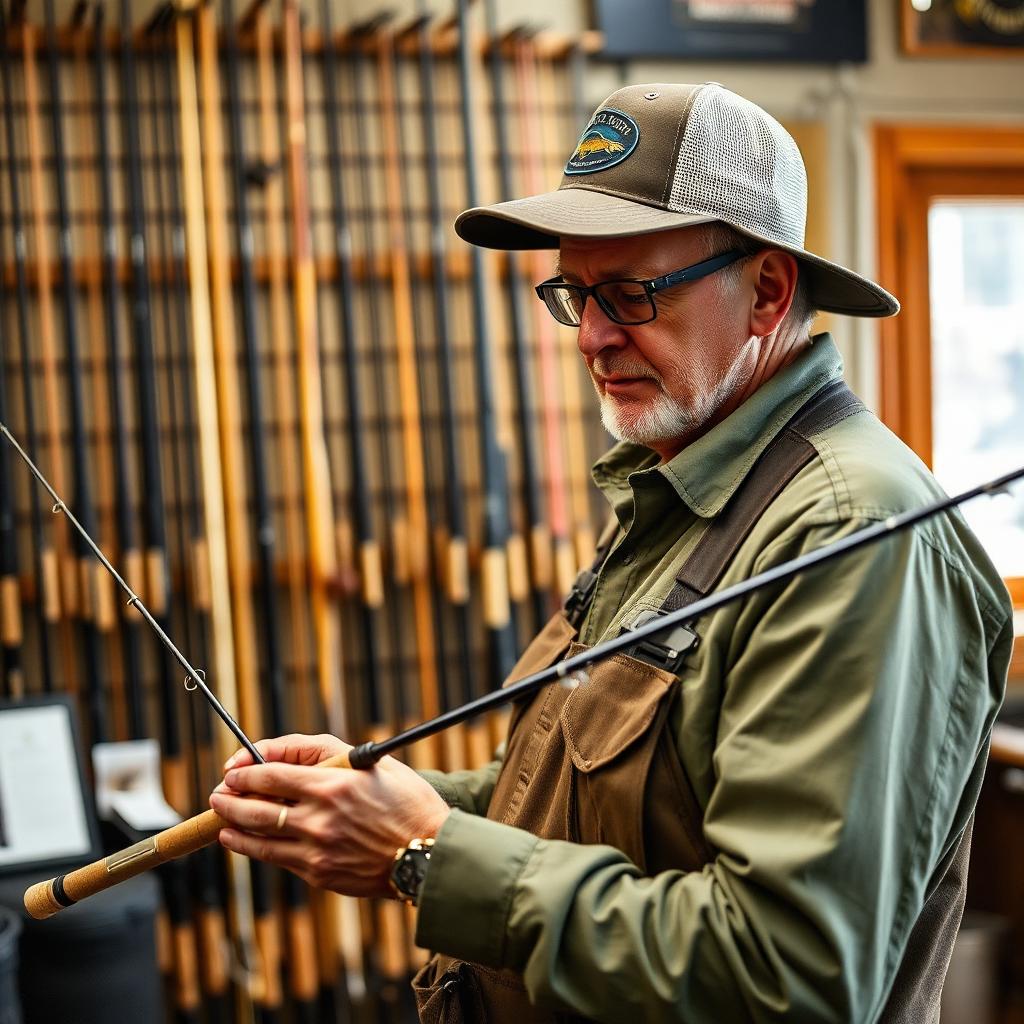
Local fly shops routinely let customers cast rods in the parking lot or nearby pond. Take advantage of it. Two rods with identical specs can feel completely different in hand. Cast at least three options across price tiers before committing. If a shop refuses, that tells you what you need to know about their customer priorities.
The best rod is the one that matches your local water, your budget, and the way you naturally cast. Buy from a shop that will still answer your questions in year three.
If you plan to fish only one type of water — say, small brushy creeks or big western tailwaters — buy the rod that matches that water rather than a compromise 5-weight. Specialization outperforms versatility once you know where you will actually fish.
Frequently Asked
- Is a fast-action rod better than a medium?
- Not for beginners. Fast rods punish poor timing. A medium-fast rod is more forgiving and teaches proper casting mechanics faster.
- What is a 'combo kit' and are they worth it?
- Combos bundle rod, reel, line, and case at a discount. Reputable brands like Orvis Clearwater and Redington Path Combo are honest starter kits. Avoid unknown brand combos on Amazon.
- How long should my rod last?
- A quality rod with reasonable care lasts decades. Most rod failures are impact damage, not wear — car doors and ceiling fans kill more rods than fishing.
- Should I buy used?
- Yes, for known brands with lifetime warranties. Sage, Orvis, Winston, and Scott honor warranties for original manufacturing defects regardless of owner.