New Zealand's South Island: The Pilgrimage Trip
Sight-fishing single trophy browns in gin-clear water — and the casting standard the sport demands there.
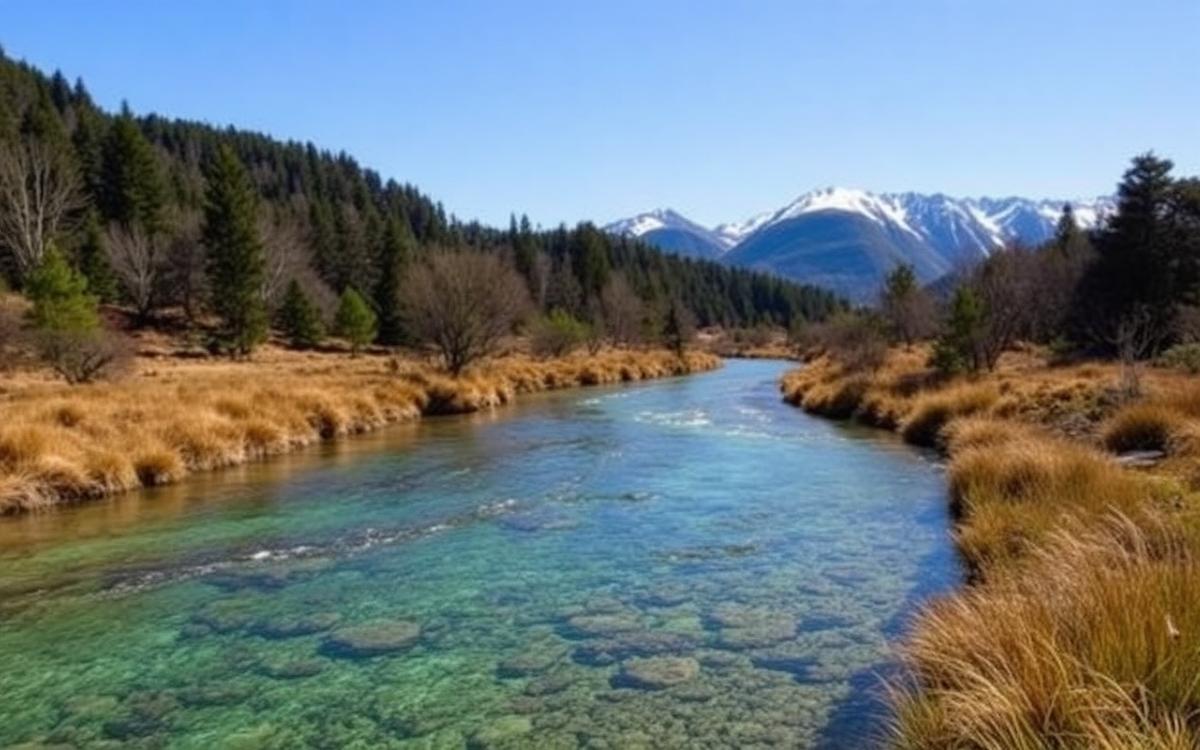
New Zealand's South Island hosts wild brown and rainbow trout in some of the clearest freshwater on earth. Low fish density and extreme visibility make it a sight-fishing culture with the sport's strictest ethics.
New Zealand's South Island is fly fishing's most obsessive pilgrimage destination. Gin-clear water, single trophy brown trout visible against gravel from a hundred feet away, and the tightest angling ethics on the planet make it a sport unto itself — and a place that punishes anglers who show up expecting Yellowstone-style numbers fishing.
The country and the waters
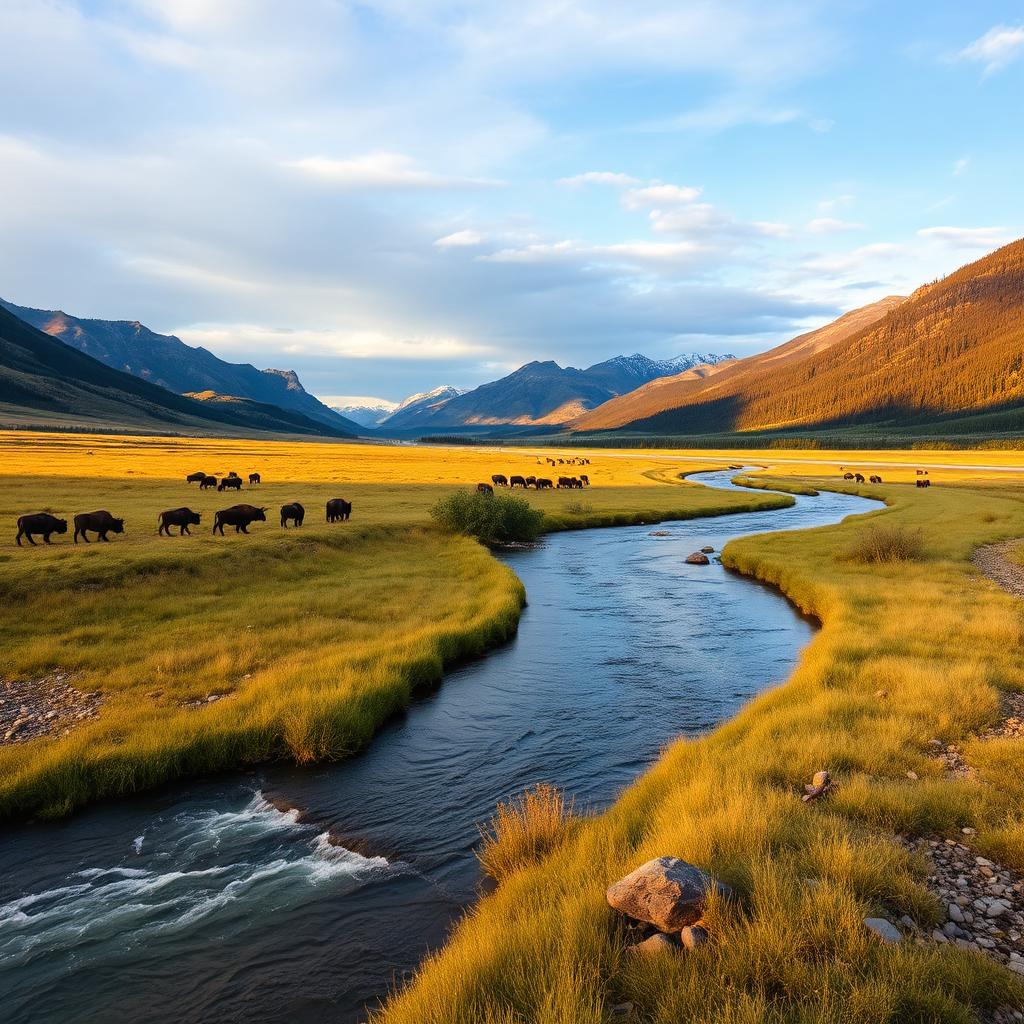
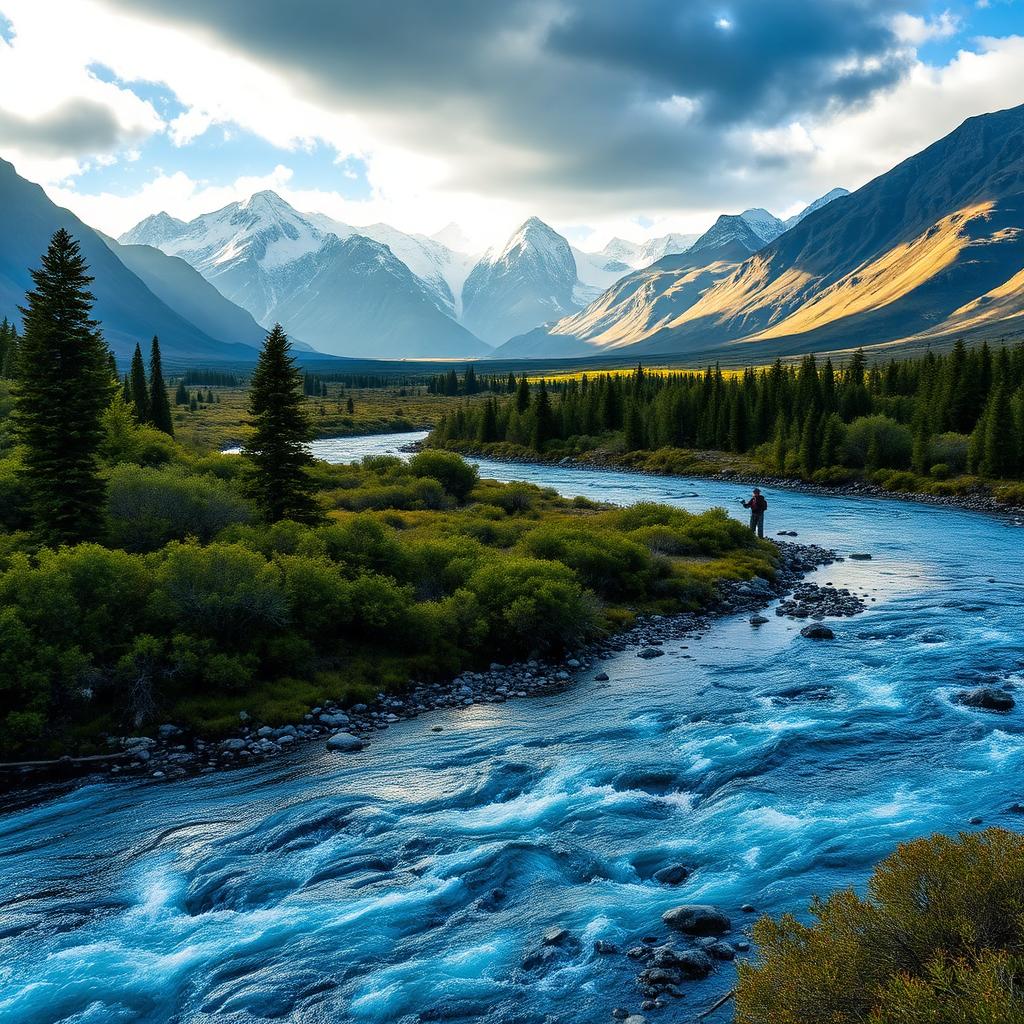
The South Island contains hundreds of trout streams from Nelson in the north to Fiordland in the south. The most famous — the Motueka, Owen, Karamea, Ahuriri, Greenstone, and the tributaries of Lake Wakatipu — see international pressure. Backcountry streams reached by helicopter or multi-day hike see fewer than a dozen anglers a year and hold the most naive trophy fish on earth.
Sight fishing is the only game
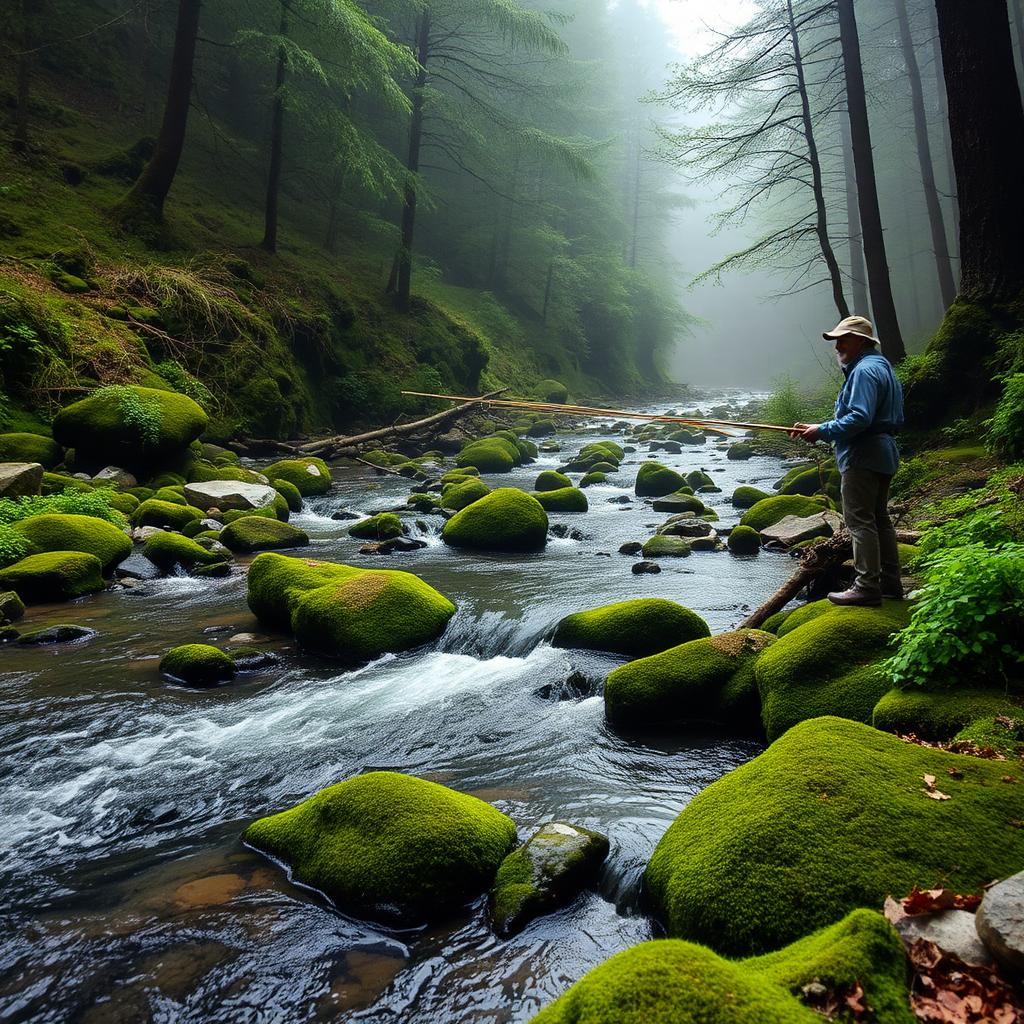
New Zealand trout do not hold in obvious lies waiting for a nymph to drift by. You spot a specific fish — often a five to ten-pound brown clearly visible in three feet of gin water — and stalk into casting position without spooking it. One cast, one fish. Miss the presentation and the fish leaves; there is no second chance.
The casting standard
Sixty-foot single presentation casts into a gusting wind, delivered with a size 16 nymph on 6X fluorocarbon, are the baseline. Anglers who cannot make that cast will spook every fish they see. Practice casting to hula hoops at 50 to 70 feet before you buy a plane ticket.
The guide question
A New Zealand guide is expensive — NZD $800 to $1200 per day — and worth every dollar for a first trip. Guides know which fish are catchable, which are educated, and which stalks are worth attempting. They also handle vehicle shuttles, backcountry access permissions, and the essential local knowledge of pastoral farm access.
Backcountry DIY
Independent anglers with backcountry experience can access spectacular water via the Department of Conservation hut system. The Greenstone, Rees, Dart, and Wilberforce valleys offer multi-day hut-to-hut trips with excellent fishing. Book huts online months in advance; the shoulder seasons (November and April) offer the best combination of fish activity and hut availability.
Seasons and weather
The New Zealand season runs October through April, mirroring Southern Hemisphere summer. December through February is peak, with cicada and mouse-year opportunities in warm summers. April brings smaller crowds and beautiful autumn colors on the beech forests along the rivers.
Ethics and etiquette
New Zealand fishing culture is stricter than any American context. Never fish behind another angler on the same beat; expected spacing is a mile or more between parties. Barbless hooks are the norm. Photographs of held fish are minimized. Any trace of poor angling ethics gets reported through a very small community and can end lodge access permanently.
The realistic expectation
A good angler on the South Island might catch one to three fish per day. A great angler might catch four or five. Numbers are not the point. Every fish you catch will be larger than 95 percent of the trout you have ever caught anywhere else — and the entire day will have been spent stalking, watching, and executing under pressure.
New Zealand does not reward volume anglers. It rewards patience, casting skill, and the ability to make one perfect presentation to a specific fish. Bring your best game, or come to learn.
The mouse-year phenomenon — when beech mast produces a rodent boom and giant trout key on mice — happens roughly every three to five years. Watch angling forums for the next one.
Frequently Asked
- When is the season?
- October through April, with peak conditions December through February.
- Do I need a guide?
- For a first trip, yes. NZD $800-1200 per day, well worth it for a country this technical.
- How fit do I need to be?
- Backcountry trips involve serious hiking. Even guided trips require confident wading and long walks between fish.
- What is the biggest fish class?
- Wild browns of six to ten pounds are common on remote water. Fish over ten are legitimate, if rarer, targets.