Iceland's Atlantic Salmon Rivers: A Pilgrimage of a Different Kind
Small, clear volcanic rivers, hitched flies, and the salmon fishing culture that rewards patience over volume.
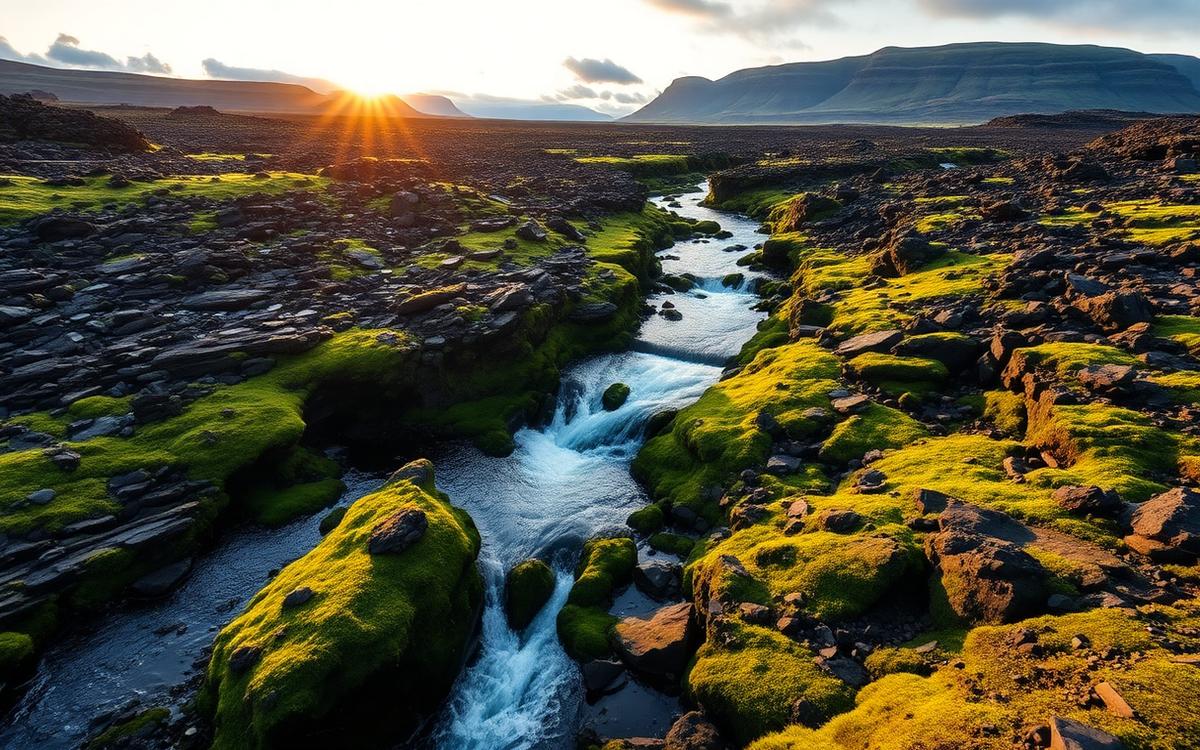
Iceland's tightly managed salmon rivers hold small annual runs of prime Atlantic salmon in clear water framed by black volcanic landscape. Rod-day scarcity keeps pressure low and quality high.
Iceland's Atlantic salmon rivers occupy a specific place in fly fishing's imagination — small, clear, easily wadeable rivers cutting through black volcanic landscape, holding a limited annual run of anadromous salmon that must be earned rather than volume-caught. It is the antithesis of Alaskan salmon fishing, and one of the most rarefied experiences in the sport.
Why Iceland is special
Icelandic salmon rivers are almost entirely private, tightly managed under strict rod-day limits, and catch-and-release for most of the season. Rivers hold a few hundred to a few thousand fish per season — small numbers, but the fisheries are healthy and the average fish is a strong 8 to 12-pound bright salmon fresh from the sea.
The famous rivers
The Laxá í Aðaldal (large fish, difficult wading), the Miðfjarðará (classic pool-and-run water), the Grímsá (accessible with Reykjavik base), the Selá í Vopnafirði (remote and prized), and the Vatnsdalsá (the trophy river) are the internationally known beats. Rod days on the top rivers book two to three years in advance.
The economics
Icelandic salmon fishing is expensive. Rod days on the premier rivers run €800 to €2000 per day, and most rivers require booking a full week. Total trip costs of €6,000 to €15,000+ including flights and lodging are common. This economic reality keeps pressure light and fish quality high.
The tackle
Single-hand 8 or 9-weight rods and two-handed 12 to 14-foot spey rods are both standard. Small hitched tube flies (Sunray Shadow, Frances, Sheep flies) fished on floating lines dominate the mid-summer main run. Sinking tips come out in higher water or the early season.
The presentation
Iceland is a rising-fly and hitched-fly culture — flies fished shallow, often waking, drawing salmon up through clear water in a heart-stopping visual strike. The takes are unmistakable: a black-and-silver shape appearing behind the fly, the surface bulging, and then a hard pull. Rod set is not needed; let the fish turn.
The setting
Beyond the fishing, Iceland delivers a landscape that no photograph captures — volcanic basalt canyons, moss so green it looks synthetic, arctic light that lasts 20 hours per day in June, and the specific quiet of a valley where no motor sounds reach. Many anglers report that the setting matters as much as the fishing.
Season and timing
The Icelandic salmon season runs mid-June through late September. Early season (mid-June to mid-July) sees the freshest fish, the highest flows, and the largest fish on some rivers. Mid-season (mid-July to August) offers peak numbers. Late season brings pre-spawn fish and lower water — technical fishing on classic pools.
The lodge system
Icelandic salmon is fished from lodges that own or lease the water. Rod-day allocation, wader storage, guiding, meals, and transport are all bundled. First-time visitors should book through an established broker (Frontiers, Fish Iceland) who handles logistics and river selection based on skill level and dates.
Booking realistically
If Iceland is on your list, plan two to three years ahead for the premier rivers. Second-tier rivers with equally excellent scenery are available on shorter notice and cost 30 to 50 percent less. Neither is a bad choice — the second-tier rivers of Iceland would be the premier rivers of most countries.
Iceland is the salmon trip that will change your baseline for what a river should look and feel like. It is expensive, rare, and worth planning toward.
The hitched-fly technique — riding the fly across the surface with a specific knot that skews its angle — is Iceland's signature presentation. Learn it before you go.
Frequently Asked
- How far in advance to book?
- Two to three years for the premier rivers; six to twelve months for second-tier waters.
- What does a week cost?
- €6,000 to €15,000 all-in including flights, lodge, and rod days.
- Single-hand or spey?
- Both. Most anglers use a 9-weight single-hand and a 13-foot spey depending on river size.
- Is it worth it if I have never fished salmon?
- Yes, with a guide. Iceland is one of the best places to learn Atlantic salmon fishing.