A Guide's Perspective: 12 Years on the Roaring Fork
Colorado guide Sarah Chen on the changing industry, what clients get wrong, and where the rivers are heading.
The guiding industry is evolving rapidly — more diverse client base, shifting seasonal windows due to climate, and generational turnover in the guide ranks. Voices from long-tenured guides provide perspective on where the sport is headed.
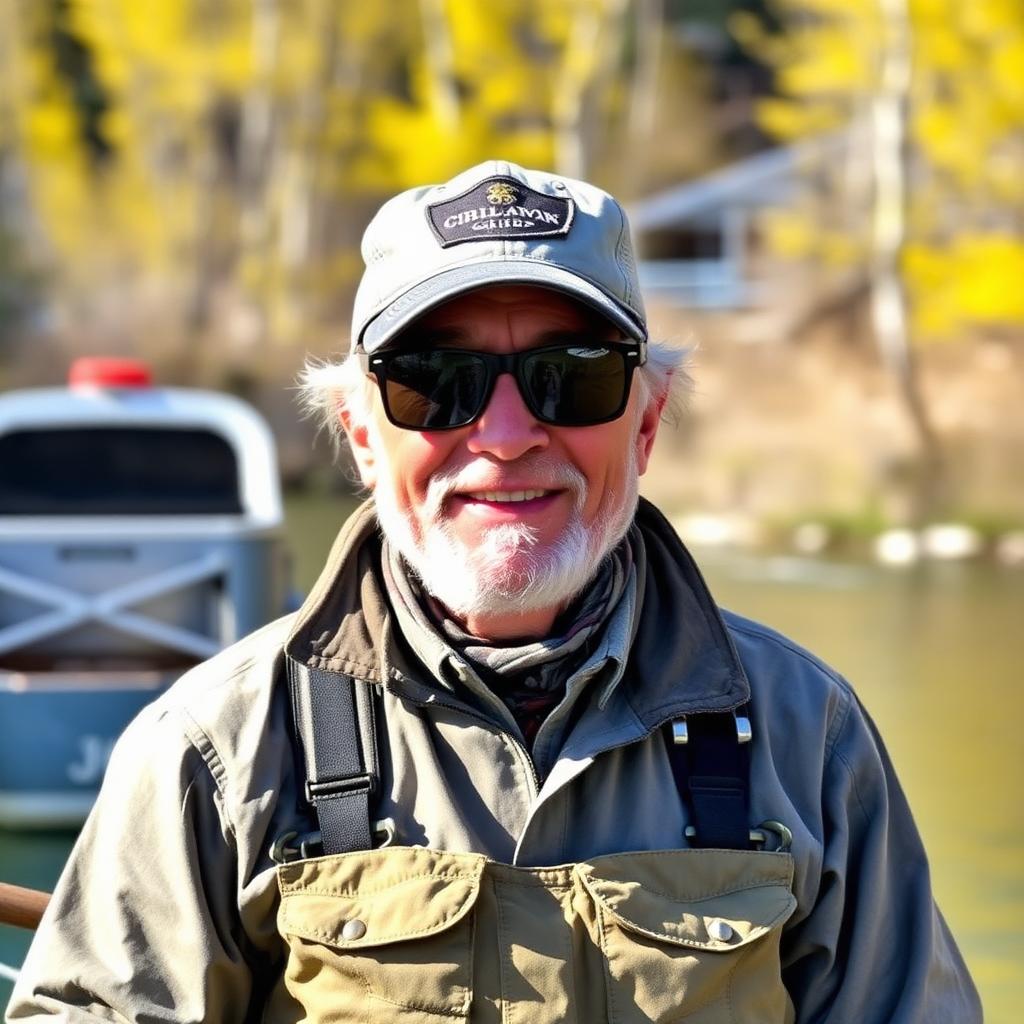
Sarah Chen has been guiding on the Roaring Fork and Frying Pan rivers for twelve years — one of a growing number of women shaping the future of Western trout guiding. Over coffee at her home in Basalt, Colorado, she talked about the arc of her career, the industry's slow evolution, and what she wishes clients understood.
On starting out
'I grew up fishing in Michigan with my dad. When I moved to Colorado for college, I got a job packing lunches at a fly shop, then rowing the shuttle vehicle for guides, then eventually apprenticing under one of the senior guides at the shop. It took three years before I ran a boat solo. The old guard did not exactly welcome women in the guide room, but the good ones — and there were more than the bad ones — mentored me the same as anyone else.'
On the changing industry
'The client base looks different than it did in 2013. More women, more younger anglers, more racially diverse groups. That has been genuinely great for the industry. It also means guides need to be better teachers, not just fish-finders. A client who is on their first trip and struggling with basic mechanics needs patience and structure, not just a good spot.'
On the daily grind
'Peak season, I am on the water 25 days a month. Wake at 5 am, prep lunches and rigs, meet clients at 7, off the water by 5, tie flies and prep for the next day until 9. It is physically demanding. Rowing a boat for eight hours in the wind is a workout. The romance of guiding is real, but so is the burnout — most guides last five years and then move to fly shops, sales rep jobs, or completely out of the industry.'
On what clients get wrong
'The biggest thing? Clients think the fish are the point. They are not. The day is the point. I have taken people who caught two fish and had the best day of their year, and I have taken people who caught twenty and were miserable because the twenty-first got away. The clients who understand that they are paying for an experience, not a fish count, get more out of it.'
On tipping and the economics
'A full-day walk-wade or float trip here runs $650 to $850. The guide sees maybe half of that after the shop takes its cut and expenses come out. Tips are how guides actually make a living. Twenty percent on the trip cost is the standard — more for exceptional service or particularly bad conditions where the guide worked extra hard. Cash is preferred; card tips take three weeks to process and often lose a percentage.'
On the future
'The rivers are changing. Water temperatures are climbing. The mid-summer window when we cannot ethically fish keeps expanding. Twenty years from now, the July-August peak season here may be gone entirely, and the shoulder seasons will carry the industry. Guides who are not already thinking about that are going to struggle.'
On advice for aspiring guides
'Row a lot. Learn boat handling before anything else. Get a swiftwater rescue certification. Take a wilderness first aid course. Then find a shop that will let you apprentice for a season without paying you much. The people skills matter as much as the fishing skills — you are a guide, hospitality worker, and teacher combined. If you cannot manage all three, this is not the job.'
On the reward
'A ten-year-old on their first fish. A widow who came out because her husband loved the river. A father and son who barely spoke to each other for the first hour and were laughing by the last. Those days pay for the hard ones. They are why I am still doing this.'
Sarah Chen guides for Frying Pan Anglers in Basalt, Colorado. She fishes tenkara on her days off.
If you plan to hire a guide, book early (peak season fills 3-6 months out), communicate skill level honestly, and tip 20%+ in cash. Guides remember clients who respect the profession.
Frequently Asked
- How much should I tip a guide?
- 20% of the trip cost is standard; more for exceptional service or difficult conditions.
- What should I bring to a guided trip?
- Personal wading gear, sunglasses, hat, sunscreen, water, layers. The guide provides rods, flies, and lunch (usually).
- First-day nerves — normal?
- Universal. Good guides expect it and adjust the day accordingly.
- How do I find a reputable guide?
- Book through an established fly shop rather than an anonymous online listing. Shops vet their guides.