Five Days on the Green: A Fall Trip Journal
BWO hatches, streamer eats, crowded ramps and quiet evenings on Utah's most famous tailwater.
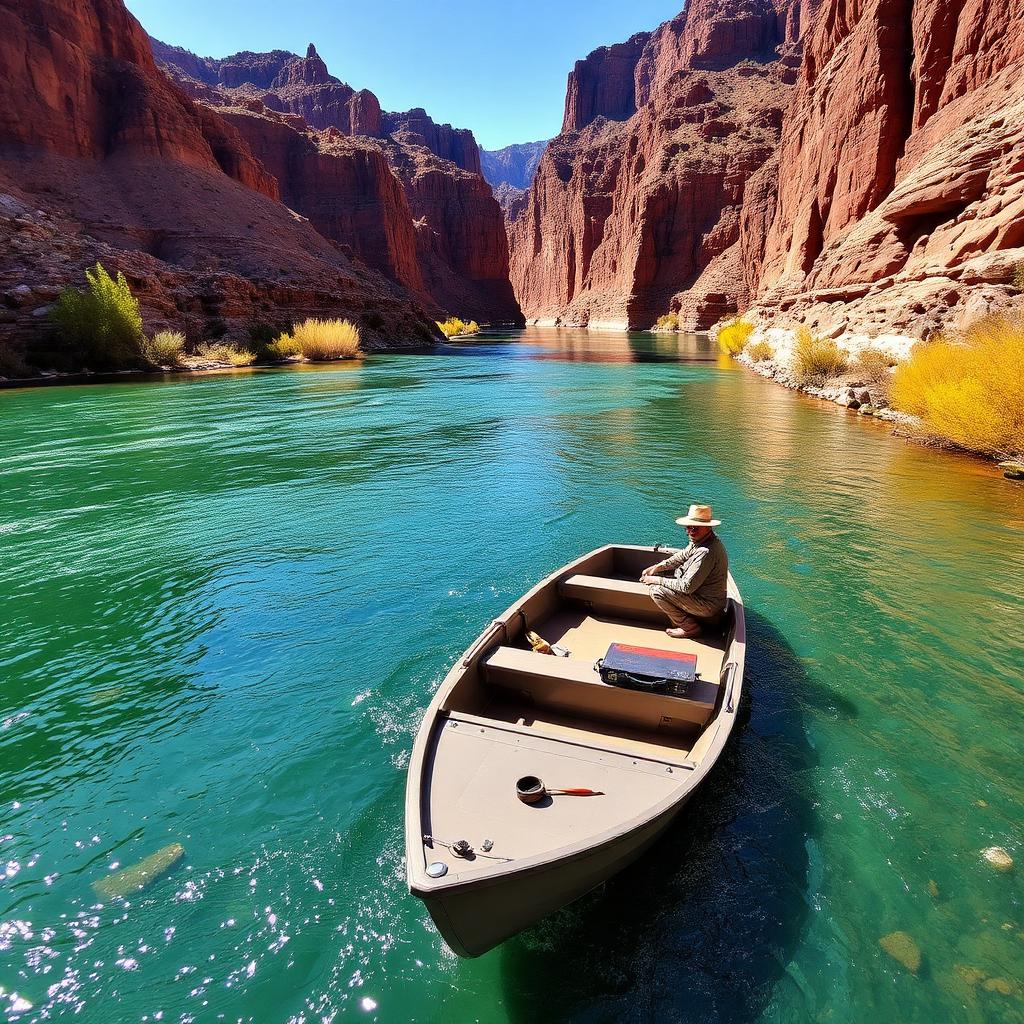
The Green River below Flaming Gorge Dam is a premier tailwater with 32,000 fish per mile in its upper sections. Fall BWO hatches and streamer conditions make October a prime window for multi-day float trips.
The Green River tailwater below Flaming Gorge Dam is one of America's premier trout fisheries — 32,000 fish per mile, crystal-clear water, dramatic red rock canyons. It is also, in October, one of the most contemplative places I know. This is the trip journal from a five-day float last fall.
Day one: shakedown
We put in at the dam and drifted the A-section — the seven miles from Flaming Gorge Dam to Little Hole. This is the postcard water: gin-clear, boulder-strewn, with rainbow and brown trout visible in every seam. Fishing was slow to start. The BWO hatch we had traveled for never quite materialized, and we spent the afternoon nymphing size 20 midges under indicators, catching enough to feel like we were fishing, not enough to feel accomplished.
Day two: the hatch arrives
Overcast skies and 55°F air temperatures set up perfectly, and by 11 am the BWOs were coming off in numbers we had hoped for. Fish rose in slow, deliberate rhythms in the tail-outs. Size 18 sparkle duns with 6X tippet. Two of us landed browns over 20 inches within an hour. The rest of the day was the kind of dry fly fishing that lodges itself in memory.
Day three: streamer day
Weather turned cold and windy. We put away the dry fly boxes and rigged 6-weight rods with sink tips and articulated streamers. The B-section — Little Hole to Indian Crossing — has deeper structure and holds larger, meaner fish. Nothing hit for the first two hours. Then, in a slow eddy against a red rock wall, a brown of 24 inches slammed a black sculpin and took me into the backing. Landed him after five minutes. Photographed him in the water. Released him. Did not catch another fish worth mentioning all day. Did not need to.
Day four: the human element
Ranger station at Little Hole reported crowded conditions upstream. We decided to double back and float A-section again for a change of pace. Nine boats in front of us at the ramp. Every prime lie had already been fished. This is the modern trout experience in famous water. We fished the seams between the obvious spots and did fine, but the day was a reminder that the Green's reputation cuts both ways.
Day five: the last drift
Woke to frost on the boat. Coffee, oatmeal, launch. The wind died by 10 am and the last BWO hatch of the trip came off in wisps of tiny sailboats drifting downstream. I sat down on a gravel bar, watched a heron work the far bank, and let a smaller angler in our group take the best water. He landed a 19-inch cutbow on his last cast of the trip. The right way to end a float.
Reflections
Five days on a river is enough time to slow down. The first day, you fish hard because you feel you should. By the third day, you fish because the river tells you when. By the fifth, you find yourself not fishing at all sometimes, just watching the water and taking mental notes. This is what the sport is actually for.
Practical notes for your own trip
Book the Red Canyon Lodge or the Flaming Gorge Resort six months out for peak fall dates. Hire a guide for at least one day — the local outfitters (Trout Creek Flies, Old Moe Guide Service) know the specific runs and current hatches. Bring 6X tippet in bulk, size 16-22 BWOs and midges, and streamers in olive, black, and white. October weather can swing 40 degrees in a day — layer accordingly.
The Green teaches patience. Go, fish it hard, then go again and fish it slowly. The second trip usually beats the first.
The A-section (dam to Little Hole) is famous but crowded. The C-section (Indian Crossing to Swallow Canyon) is longer, less pressured, and holds equally strong fish for anglers willing to commit to a full-day float with limited takeouts.
Frequently Asked
- Can I fish the Green without a boat?
- Yes. Wade access via the Little Hole trail covers 7 miles of A-section water.
- Do I need a guide?
- Not required, but the local outfitters have irreplaceable knowledge of current hatches and productive runs.
- When is peak season?
- September-October for fall conditions; May-June for spring hatches.
- Where to stay?
- Red Canyon Lodge and Flaming Gorge Resort are the two on-site options. Vernal, UT is the nearest town with broader lodging.