Fly Tying Materials: Essentials for a Trout-Focused Bench
Hooks, thread, feathers, dubbing and tools — what a beginner tyer actually needs versus what shops sell.
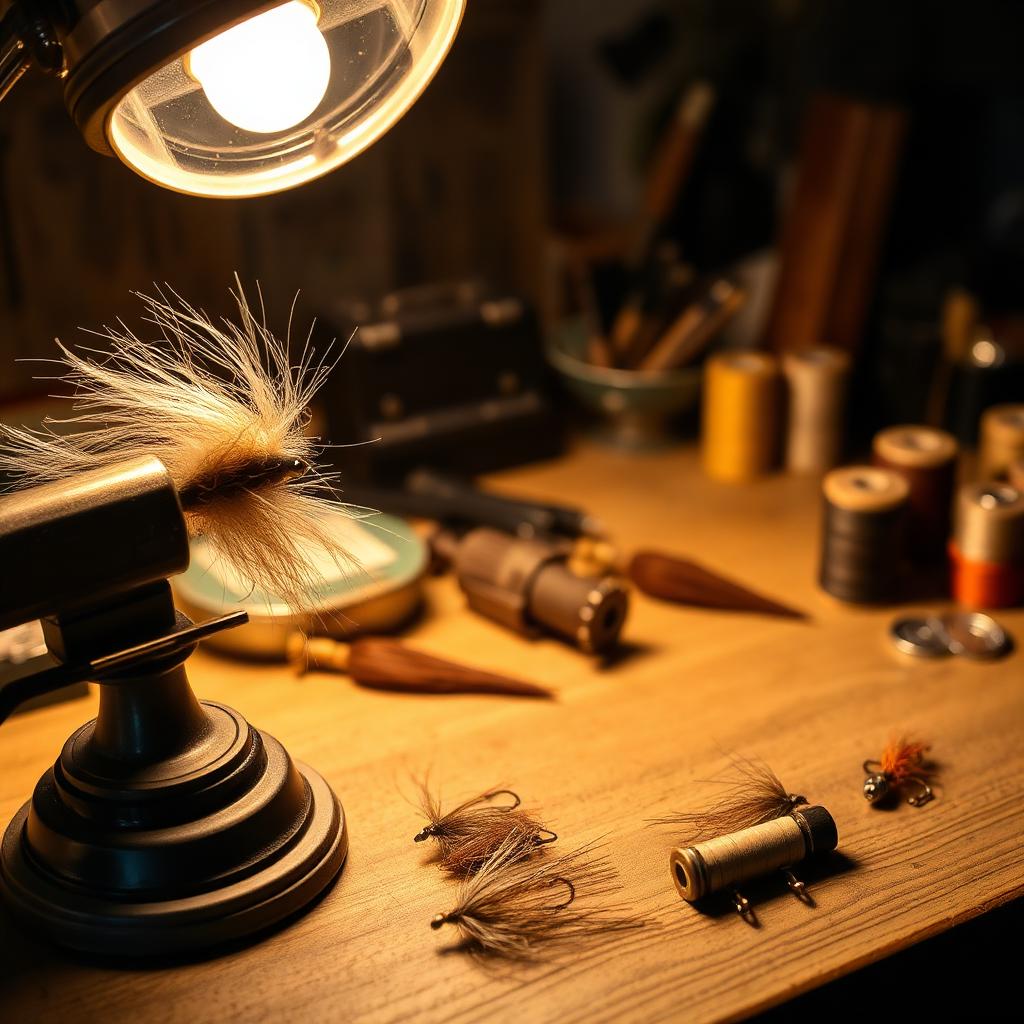
Fly tying is either a lifelong craft or a practical money-saver. Either way, the material catalog is overwhelming. A structured beginner's list built around specific patterns is the escape from paralysis.
Fly tying is either a rabbit hole that consumes your evenings for a decade or a practical skill that saves you money and lets you fish patterns unavailable in shops. Either way, the material list is where beginners get overwhelmed. This guide organizes the essentials by purpose.
Hooks: the foundation
Buy hooks from established makers — Tiemco, Daiichi, Umpqua, or Firehole. Cheap hooks bend, dull, or snap on the strike. For trout flies, start with three models: a standard dry fly hook (Tiemco 100 or equivalent) in sizes 12 to 20, a 2X-long nymph hook (Tiemco 3761) in sizes 10 to 18, and a streamer hook (Tiemco 5262) in sizes 6 to 10. This trio covers 90 percent of tying scenarios.
Thread
Thread is measured in denier — the lower the number, the thinner the thread. 8/0 or 70 denier is the versatile trout tying default. Uni-Thread and Veevus are both excellent. Buy black, olive, brown, and tan to start. Wax the thread on natural materials for grip; leave it dry on synthetic bodies.
Feathers and hackle
A quality dry fly hackle cape from Whiting or Metz is the single biggest investment in a tying kit — $80 to $120 — but produces hundreds of dry flies. Grade the cape by feather count and stem stiffness. Saddle patches offer longer feathers for streamer palmering. Partridge feathers give the classic soft-hackle silhouette. CDC (cul de canard) is essential for modern emerger patterns.
Dubbing
Dubbing is chopped fur used to create bodies. Natural dubbing — rabbit, hare's mask, muskrat — has a lifelike buggy quality. Synthetic dubbing — Antron, Ice Dub, Superfine — is easier to apply and comes in bright colors. A small dubbing dispenser with 12 to 16 colors handles almost every trout pattern.
Wire, tinsel, and flash
Copper wire in three sizes ribs nymphs and adds subtle weight. Mylar tinsel builds classic streamer bodies. Krystal Flash and Flashabou add attraction to streamers and modern nymphs. A little goes a long way — too much flash spooks pressured fish.
Beads and cones
Tungsten beads sink flies fast without adding wraps of lead wire. Gold, copper, black, and pink are the standard trout colors. Slotted tungsten beads fit on jig-style hooks for European nymphing patterns. Cone heads give streamers a jigging action and a heavier profile.
Tools that matter
A quality rotary vise is worth the investment — Renzetti Traveler or Peak Rotary are lifetime tools around $150 to $250. Add scissors (Dr. Slick or Anvil), a bobbin holder, a whip finisher, a hair stacker, and a bodkin. Cheap tool kits are a false economy — every one gets replaced within a year.
Organizing your bench
A clear tackle box with adjustable compartments beats specialty tying storage in most cases. Group materials by function — hooks, thread, bodies, tails, wings — and label everything. A messy bench slows you down and hides materials you already own.
Start with the basics, buy quality over quantity, and add materials as specific patterns demand. Ten well-stocked material categories tie more patterns than a garage full of impulse purchases.
Tie the same pattern 20 times before moving to a new one. Repetition, not variety, builds skill. Your 20th Pheasant Tail will fish better than your first attempts at 20 different patterns.
Frequently Asked
- What is the minimum viable starter kit?
- Vise, scissors, bobbin, whip finisher, thread in 4 colors, 3 hook sizes, hackle cape, and dubbing dispenser. Around $250 to start well.
- Rotary vise or standard?
- Rotary. Even at the entry level. Renzetti Traveler is the sweet spot at $200.
- Best patterns to learn first?
- Zebra Midge, Pheasant Tail, Woolly Bugger. In that order. They cover the fundamental techniques.
- Are online tying videos enough to learn?
- For basics, yes. For advanced techniques, in-person guidance at a fly shop tying night accelerates massively.