Fly Line Materials Explained: Tapers, Coatings and Care
Weight-forward vs double-taper, floating vs sinking, and why line care matters more than most anglers realize.
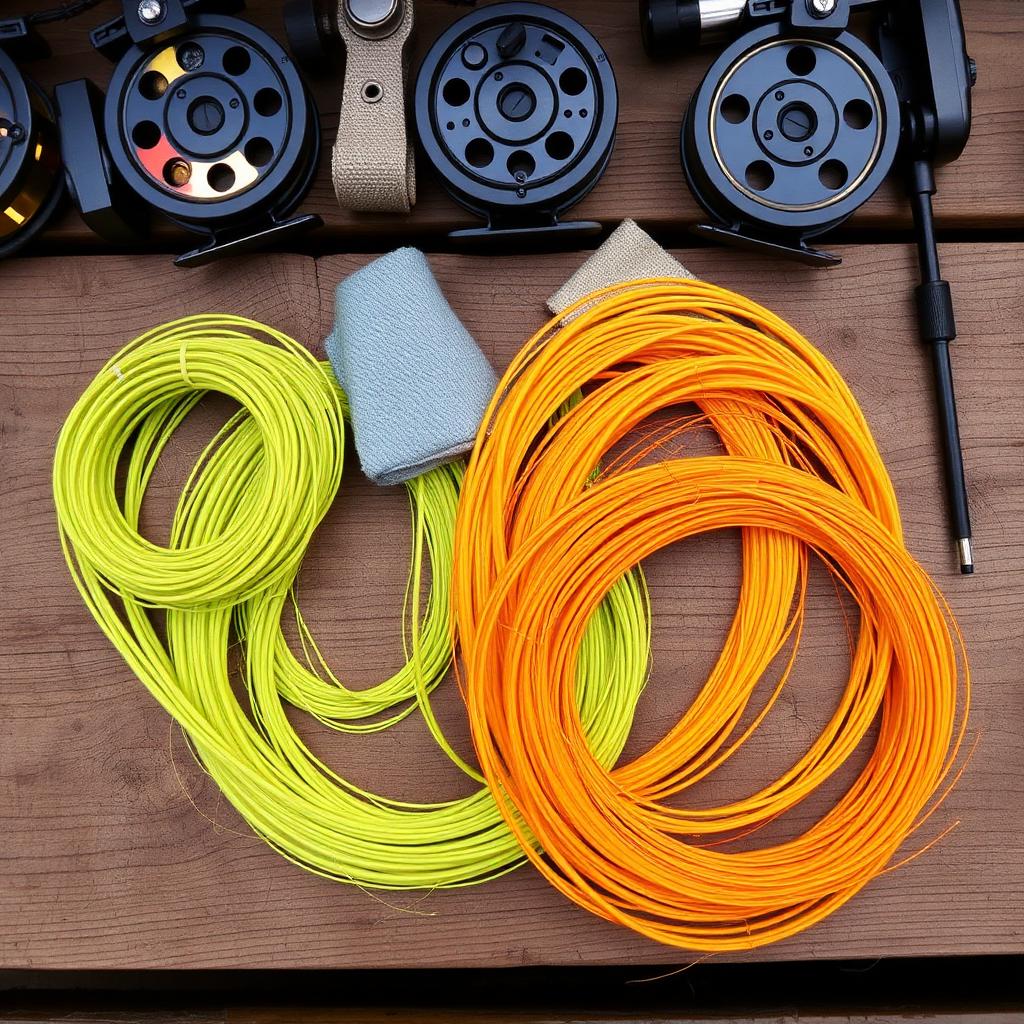
A fly line is a specifically engineered plastic coating over a braided core. Its taper, weight rating, and density determine how it casts and where the fly presents in the water column.
Fly lines are consumables that anglers treat like heirlooms and heirlooms that anglers treat like consumables. Understanding what a fly line actually is — a plastic coating over a braided core, engineered with a specific taper and density — is the first step toward buying and maintaining them correctly.
Taper: the shape of the line
Weight-forward tapers concentrate the mass in the first thirty feet, making them easy to cast at moderate distances. This is the default for beginners and covers most trout scenarios. Double-taper lines are symmetrical, presenting more delicately at short range and offering the option to reverse the line when one end wears out. Shooting-taper and specialty lines exist for distance casting and specific techniques.
Weight standards
Fly lines are matched to rods by weight. A 5-weight rod uses a 5-weight line, measured over the first thirty feet according to the AFTMA standard. Some modern rods are labeled 'true to weight' while others are 'half a line heavy.' If a rod feels sluggish, going up one line weight often fixes it. If it feels stiff and jerky, staying at rated weight is correct.
Floating, sinking, and sink-tip
Floating lines cover 80 percent of trout fishing — dry flies, indicator nymphing, and shallow streamer work. Full-sinking lines pull streamers deep in lakes and slow rivers. Sink-tip lines — a floating running section with a short sinking front — are the specialty tool for streamer fishing in current, letting you strip a fly at a fixed depth.
Coating materials
Modern lines use PVC or polyurethane coatings over a braided nylon or monofilament core. Higher-end lines add slickness additives, texture, and welded loops. Textured lines cast slightly farther and float higher but wear faster and can be loud through the guides. Smooth lines are quieter and cleaner but require more frequent cleaning.
Brands and price
Scientific Anglers, Rio, and Cortland dominate the market. All three make excellent lines across price tiers. A mid-tier line in the $80 to $100 range from any of them will outperform a bargain-bin line by a wide margin. Save on the reel, not the line.
Cleaning and maintenance
Fly lines pick up algae, sunscreen, and grit. A dirty line sinks when it should float, tangles, and casts poorly. Clean once or twice a season with warm soapy water and a soft cloth, then apply a line dressing per the manufacturer's instructions. Store out of direct sunlight and never in a hot car trunk.
When to replace
A well-maintained line lasts two to five seasons. Signs it is dying: persistent memory coils that will not straighten, cracks in the coating, or a floating line that sinks after cleaning. Replacement lines are $80 to $130 — an easy investment for immediately noticeable performance.
Welded loops and connections
Modern lines come with factory welded loops on one or both ends. These make leader changes fast and reliable. If your line lacks a loop, a nail knot or braided loop connector works. Learn one connection method and use it consistently — inconsistency is where failures happen.
The fly line is the engine of your cast. Buy a good one, care for it, and replace it before it fails on the water.
Clean your fly line once mid-season with warm soapy water and a soft cloth. You will regain 10-15 feet of casting distance and notice immediately smoother pickup off the water.
Frequently Asked
- Weight-forward or double-taper?
- Weight-forward for beginners and most modern applications. Double-taper for delicate presentations and traditionalists.
- How often should I replace my line?
- Every 2-5 seasons depending on use. Cracks in coating or persistent memory coils are the signal.
- Are premium lines worth it?
- Mid-tier ($80-100) is the sweet spot. Above that, marginal returns except for specialty applications.
- Can I use one line for everything?
- A weight-forward floating line covers 80% of freshwater trout. Add a sink-tip once you commit to streamers.