Fly Reel Buying Guide: How Much Should You Actually Spend?
Drag systems, materials, and the honest question of when a $500 reel is overkill.
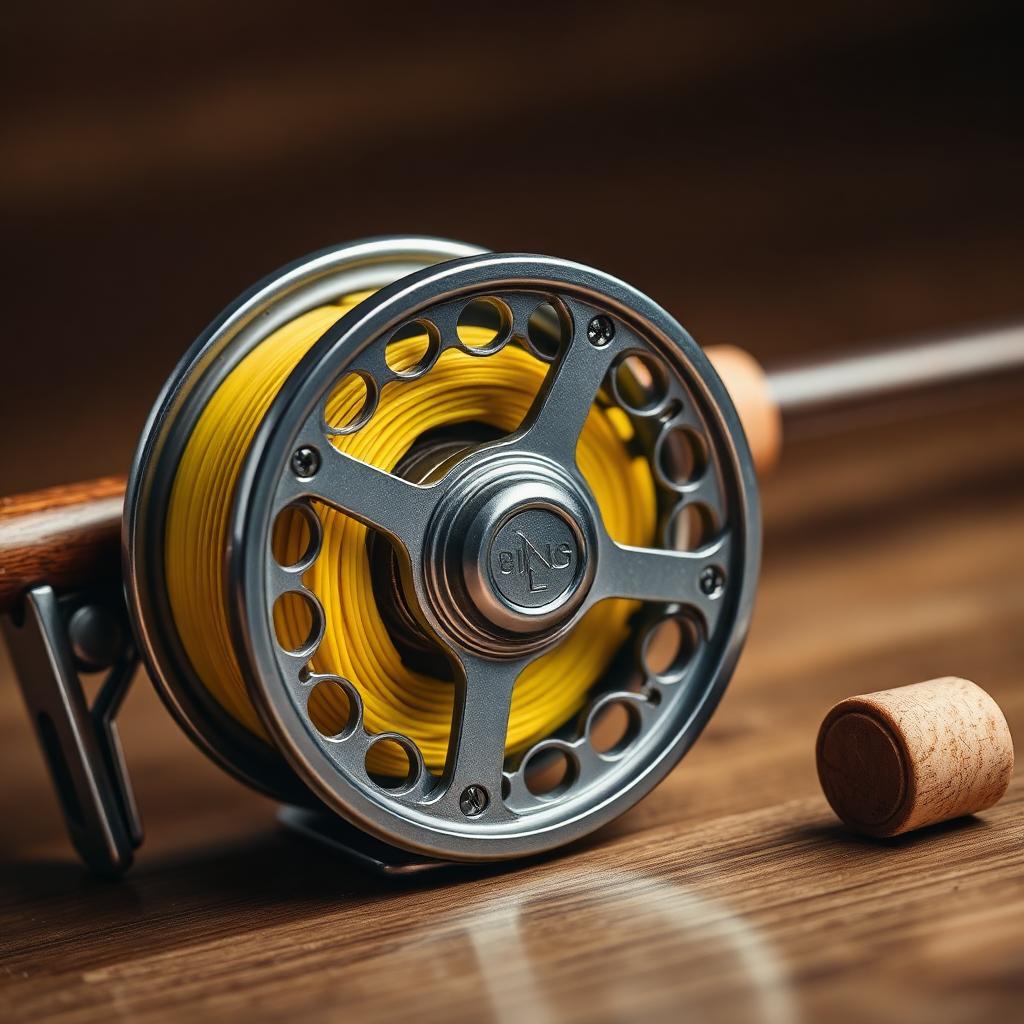
Fly reels have become an over-engineered category. Understanding what a reel actually does — and does not do — for freshwater trout keeps buyers from paying for features they will never use.
Fly reels have quietly become one of the most over-engineered pieces of equipment in the sport. For freshwater trout, most of that engineering is invisible to the fish and irrelevant to your success. Here is how to think about reel selection without falling into the marketing trap.
What a reel actually does
On small to medium trout, the reel is a line-storage device. You strip line to cast, retrieve by hand, and the fish rarely runs into the backing. On larger trout, steelhead, salmon, or saltwater species, the drag system becomes critical — it must apply smooth, consistent pressure without spiking or seizing when a fish makes a hard run.
Drag system types
Click-and-pawl drags use a spring-loaded pawl that clicks against a gear. They are simple, mechanically elegant, and provide light drag suitable for trout up to about 18 inches. Sealed disc drags use stacked friction plates, often carbon fiber against stainless steel, and offer smooth, adjustable resistance capable of stopping strong saltwater fish. For a first trout reel, either works. For anything larger, choose sealed disc.
Materials and construction
Machined aluminum reels are cut from a solid bar stock, resulting in tight tolerances and lifetime durability. Die-cast reels are poured into a mold and are cheaper but heavier and less refined. For under $200, expect die-cast or hybrid construction. Between $200 and $400, fully machined aluminum becomes standard. Above $400, you are paying for cosmetics, brand, and marginal weight reductions.
Sizing to the rod
Reel manufacturers publish charts matching reel size to line weight. Follow them. An oversized reel throws the rod out of balance and fatigues your wrist. An undersized reel may not hold adequate backing. For a 5-weight setup, a 5/6 or 5/7 reel is standard, with 100 to 150 yards of 20-pound backing under a full weight-forward line.
Arbor size
Large-arbor reels retrieve line faster per turn and reduce line memory. Standard-arbor reels are more compact and traditional-looking. Mid-arbor sits between. For modern trout fishing, large-arbor is the default and the correct choice.
Brands worth considering
At the entry level, Redington Rise, Orvis Clearwater, and Echo Bravo offer excellent value. In the mid-range, Lamson Liquid and Sage Spectrum LT are standouts. At the premium tier, Ross Evolution LTX, Hatch Iconic, and Abel Vaya are lifetime purchases. Avoid unknown Amazon brands — the sealed drag claim is often false, and the reel will fail within a season.
Maintenance
Rinse in fresh water after every saltwater trip. Do not submerge or spray the drag directly. Store with the drag backed off to preserve the drag material. Every year or two, apply a drop of reel oil to the spindle. A quality reel treated this way will outlast several rods.
When to upgrade
If you are consistently fishing for trout over 20 inches, targeting steelhead or salmon, or planning a saltwater trip, upgrade to a sealed disc drag reel sized for the species. For everything else, a solid $200 to $300 reel is a lifetime tool. The fly line and leader will always matter more than the reel.
Reels are the least performance-critical purchase in fly fishing. Spend appropriately and put the savings into a better rod, more fly line, or a guided trip.
For anadromous species (steelhead, salmon) and saltwater, the reel matters enormously and no budget compromise is safe. For trout under 20 inches, a $200 reel is a lifetime tool.
Frequently Asked
- Sealed drag or unsealed?
- Sealed for saltwater and heavy freshwater use. Unsealed is fine for pure trout fishing at moderate price points.
- Large arbor vs standard?
- Large arbor is modern default: faster retrieve, less line memory. Standard arbor is aesthetic preference.
- Do I need a reel matched to my rod?
- Yes for balance. A 5-weight rod pairs with a 5/6 reel. Manufacturer sizing charts are reliable.
- Best budget-friendly reel?
- Redington Rise, Lamson Liquid, Orvis Clearwater — all under $200 and lifetime-capable.