Packing for a Fly Fishing Trip: A System, Not a Checklist
Rods as carry-on, redundant lines, a repair kit that saves trips, and the biosecurity rules that can cost you your boots.
Destination fly fishing depends on gear that cannot be replaced once you arrive. Experienced travelling anglers build kits backwards from a written description of the fishery, carry redundancy in reels and lines, and treat biosecurity rules as trip-critical.
The gap between a good fishing trip and a miserable one is usually decided at home, on the floor, three days before departure. Airlines lose rod tubes. Customs officers ask about felt soles. Remote lodges have no spare tippet and no way to get any. Packing for a fly fishing trip is a systems problem, and the anglers who travel most have reduced it to a repeatable process.
Start from the fishery, not the closet
Build the kit backwards from a written description of the fishing: species, water type, expected fly sizes, wind, casting distances, water temperature, and how far you will be from a shop. A week of bonefish flats and a week of Patagonian freestone rivers share perhaps thirty percent of their gear. Writing the description first prevents the default failure mode, which is packing everything you own and still missing the one line you needed.
Rods and reels: redundancy where it counts
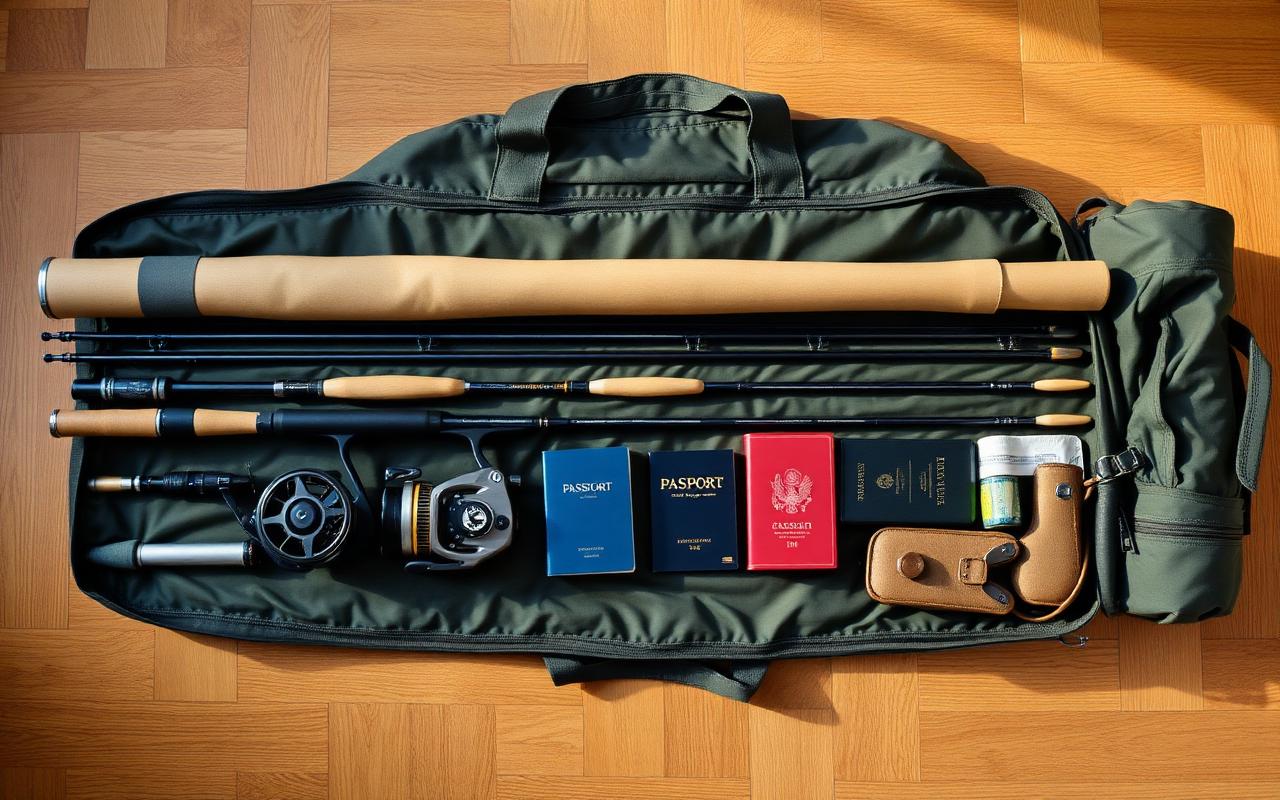
Carry two rods minimum, in the same or adjacent line weights, and always as carry-on if the airline permits. Four-piece rods fit in most overhead bins in a soft tube; a hard tube goes in checked baggage only when you have no alternative. If your primary is a 6-weight, your backup can be a 5 or 7 — you want coverage, not a duplicate.
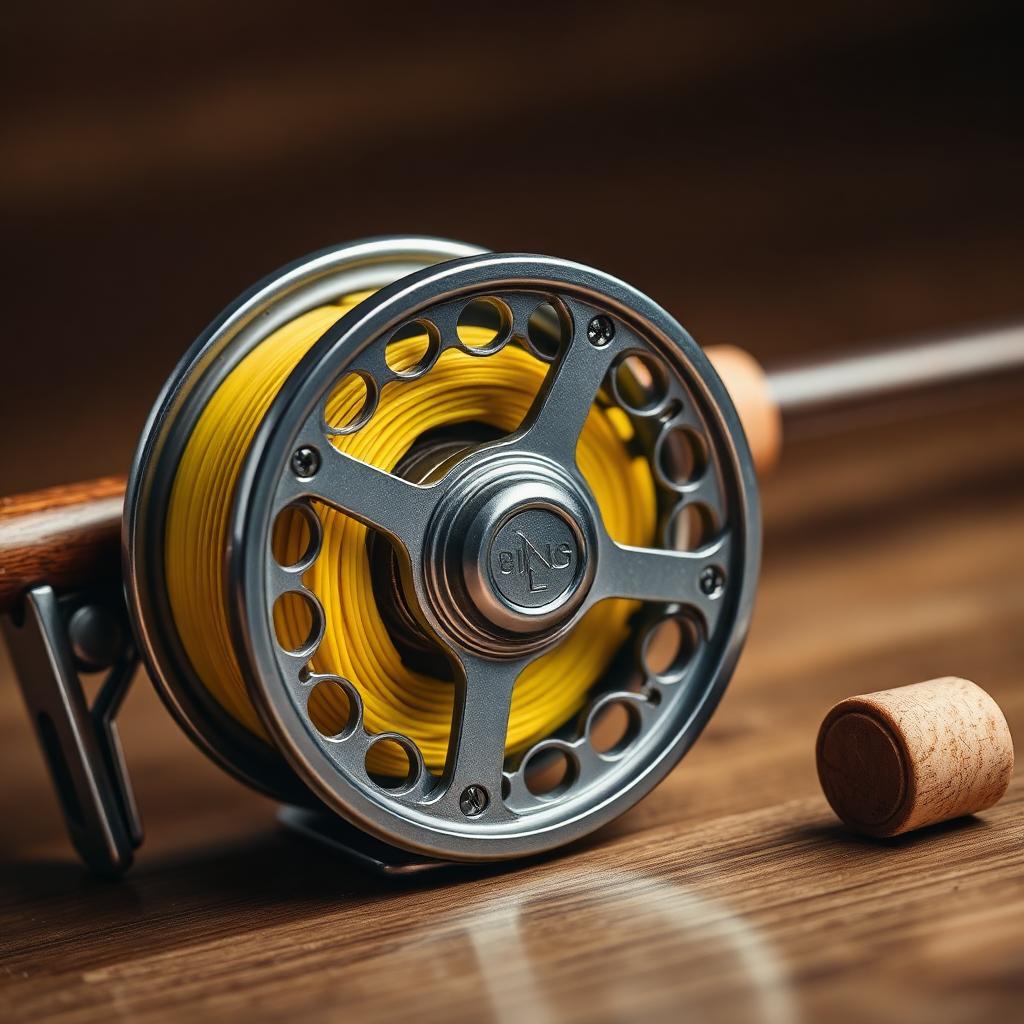
Reels travel in the carry-on regardless. A reel is small, expensive, and impossible to replace mid-trip. Bring one spare spool with an alternate line density — a floating primary and an intermediate or sink-tip spare covers most contingencies. Back all reels with fresh backing before the trip, not during it.
Lines, leaders, tippet
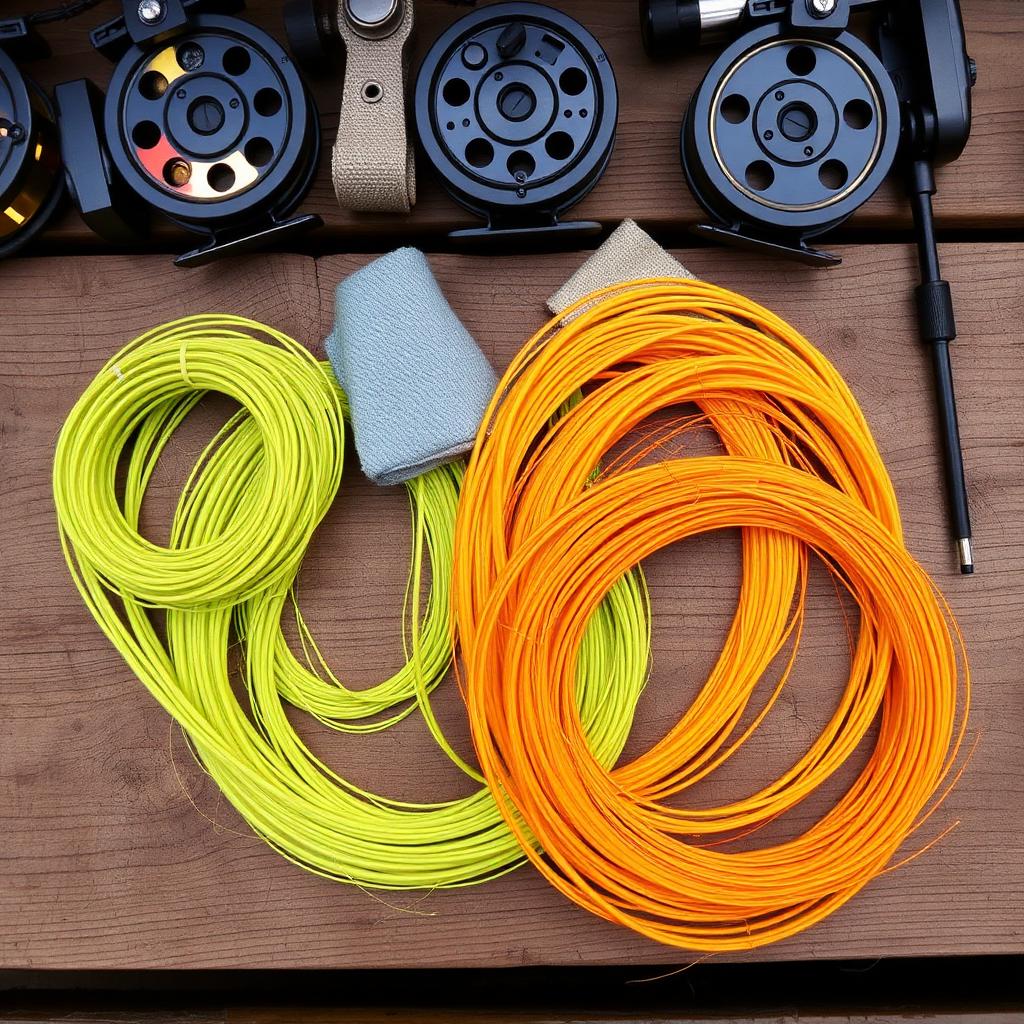
Lines are the most commonly under-packed item. Bring the line you plan to use, plus one contingency density, plus a spare of the primary if the trip is remote and long. Coil them loosely in line wallets. Clean and dress them before departure; a dirty line casts badly and no lodge has line cleaner.
Leaders and tippet weigh nothing and run out fast. Double whatever you think you need. Bring a small selection above and below the expected size range, because water clarity is never quite what the report said.
Flies, organised for the trip and not for your ego
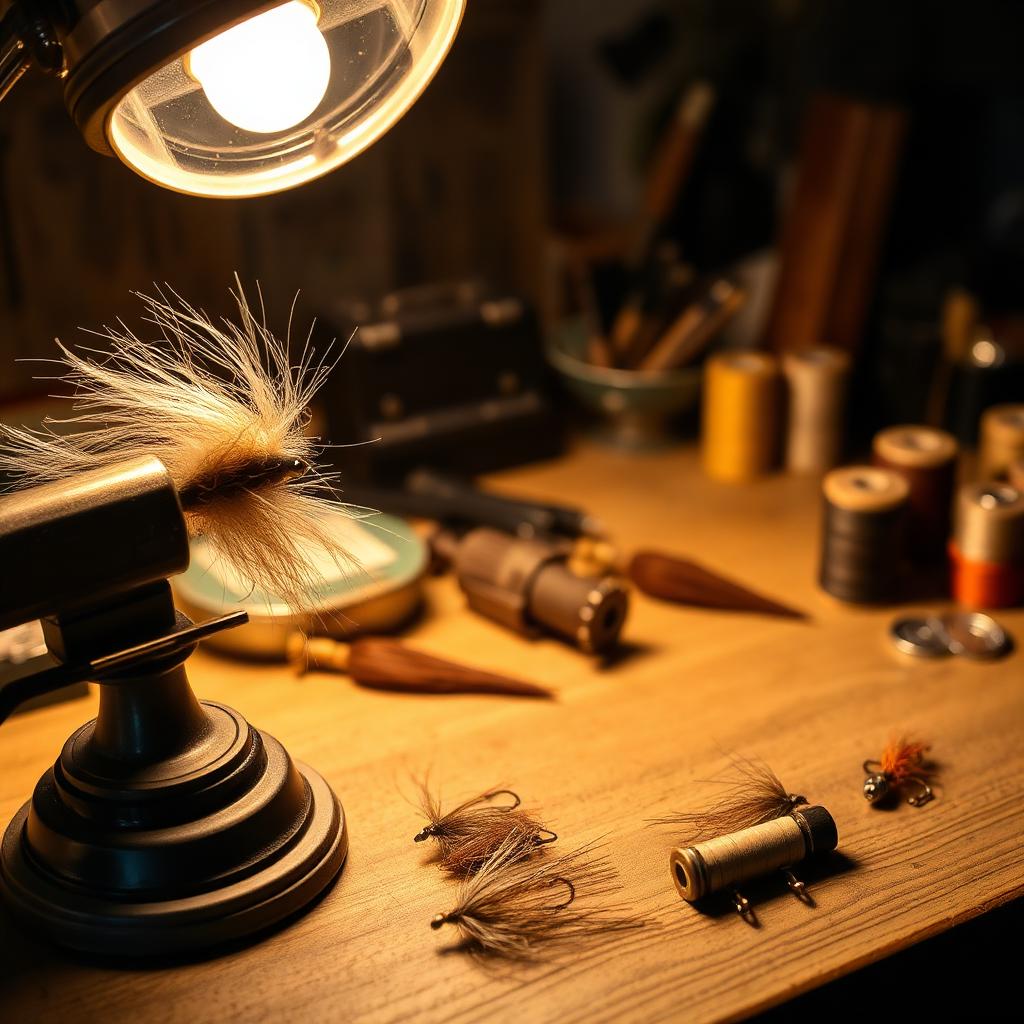
Ask the outfitter for a list and follow it. Then build one primary box of the required patterns in the required sizes with genuine depth — four to six of each critical pattern, not one — and one small confidence box of your own patterns. Label boxes. Photograph the open boxes with your phone before you leave, so that if a box is lost you can describe exactly what to replace.
For international travel, keep flies in carry-on. Hooks in checked baggage occasionally arrive as a box of loose feathers after inspection.
The clothing system
- Base: merino or synthetic, two sets, one worn and one drying. Never cotton next to skin.
- Mid: light fleece or grid fleece; add a second for cold trips.
- Shell: a genuinely waterproof wading jacket, hood included, in a size that fits over layers.
- Sun: long-sleeve hooded sun shirt, buff, wide-brim hat, and reef-safe high-SPF sunscreen — sun ruins more saltwater trips than weather.
- Eyes: two pairs of polarised glasses. Losing your only pair on day one of a flats trip is a trip-ending event. Copper or amber for freshwater, grey or green mirror for bright saltwater.
- Feet: wading boots, plus camp shoes, plus more socks than seems reasonable.
The repair and contingency kit
A small hard case holding these items has saved more trips than any premium purchase: rod ferrule wax, a spare rod tip-top and quick-set epoxy, spare reel screws, a multi-tool, zip ties, tenacious repair tape, wader patch kit and glue, superglue, a spare fly line loop or braided loops, spare nippers, forceps, hook file, and a headlamp with fresh batteries.
Add a personal kit: any prescription medication in original labelled containers, blister plasters, ibuprofen, electrolyte tablets, motion-sickness tablets, insect repellent, and a compact first-aid kit. For remote destinations, ask the outfitter whether evacuation insurance is expected — on many Alaskan, Patagonian, and Mongolian trips it effectively is.
Documents and logistics
Passport with at least six months' validity, visas where required, printed and offline-saved copies of bookings, travel insurance details, and the outfitter's phone numbers written on paper. Buy fishing licences online in advance where possible and save a PDF locally; connectivity at a lodge cannot be assumed.
Check baggage rules for rod tubes specifically — some carriers treat them as sporting equipment with separate fees. Photograph everything valuable for insurance. Split critical items across bags where possible so a single lost bag is not a lost trip.
Biosecurity and customs
Several countries — New Zealand and Iceland most strictly — require that all used fishing equipment be clean and dry on arrival, and may demand disinfection certificates for waders, boots, nets, and lines. Felt soles are banned outright in some jurisdictions. Arrive with gear scrubbed, dried, and, where required, professionally disinfected with paperwork. Declaring gear honestly costs ten minutes; failing an inspection can cost your boots.
The final rehearsal
Two days before departure, lay everything out on the floor in the order you will use it and physically rig one rod exactly as you plan to fish it — line, leader, tippet, fly. This catches the failures you cannot catch on a checklist: the loop that no longer fits, the line that is cracked, the reel foot that does not seat, the missing box.
Then weigh the bags, remove ten percent of the clothing, and add the tippet you took out earlier. Every experienced travelling angler eventually converges on the same conclusion: bring fewer clothes and more terminal tackle.
Rig one rod completely two days before departure — line, leader, tippet, fly. This catches the failures a checklist never will.
Frequently Asked
- Can I carry a rod tube on a plane?
- Usually yes for four-piece rods in soft tubes, but policies vary by airline. Confirm before you fly.
- How many flies should I bring?
- Follow the outfitter's list with real depth — four to six of each critical pattern, not one.
- What about felt soles abroad?
- Banned in some countries, and used gear may require certified disinfection. Check destination biosecurity rules early.
- What is the most forgotten item?
- Tippet and a second pair of polarised sunglasses. Both are trip-limiting and weigh nothing.