Winter Tailwater Fishing: The Quietest Season
Midge rigs, cold-water handling, and the anglers who have the best rivers to themselves for four months a year.
Tailwaters below bottom-release dams maintain stable cold temperatures year-round. Winter fishing on these rivers offers technical midge fishing, empty parking lots, and healthy fish that feed steadily through the coldest months.
Winter fly fishing separates the committed from the seasonal. When the trees are bare, the guides are off the water, and the parking lot is empty, the tailwaters below dams remain 42 degrees and full of hungry trout. If you can tolerate the cold, winter offers the most solitary and technically rewarding fishing of the year.
Why tailwaters fish in winter
Bottom-release dams draw water from the cold, stable depths of a reservoir and release it at nearly constant temperature year-round. A tailwater river that runs 42°F in July also runs 42°F in January. Trout metabolism is depressed but constant, insects continue to hatch (especially midges), and fish feed steadily throughout winter.
The midge game
Winter fishing on a tailwater is midge fishing. Size 18 to 24 patterns — Zebra Midge, RS-2, Miracle Nymph, Griffiths Gnat — cover 90 percent of situations. Fish two flies at once: a slightly larger attractor (size 18) and a smaller true midge imitation (size 22-24) as the dropper on 12 inches of 6X.
The rig
A yarn indicator or small Thingamabobber, split shot sized to reach the bottom, and two small flies on a long leader is the winter workhorse rig. Depth setting is everything — the fly must be inches off the bottom, not mid-column. Adjust the indicator up or down after every five casts if you are not hooking bottom occasionally; if you never touch bottom, you are fishing too shallow.
The take
Winter takes are subtle. The indicator does not plunge — it hesitates, wiggles, or drifts slightly out of line with the current. Any deviation from a perfect drift is a strike. Set on everything. You will hook rocks and sticks; you will also hook far more trout than the angler who only sets on obvious grabs.
Presentation windows
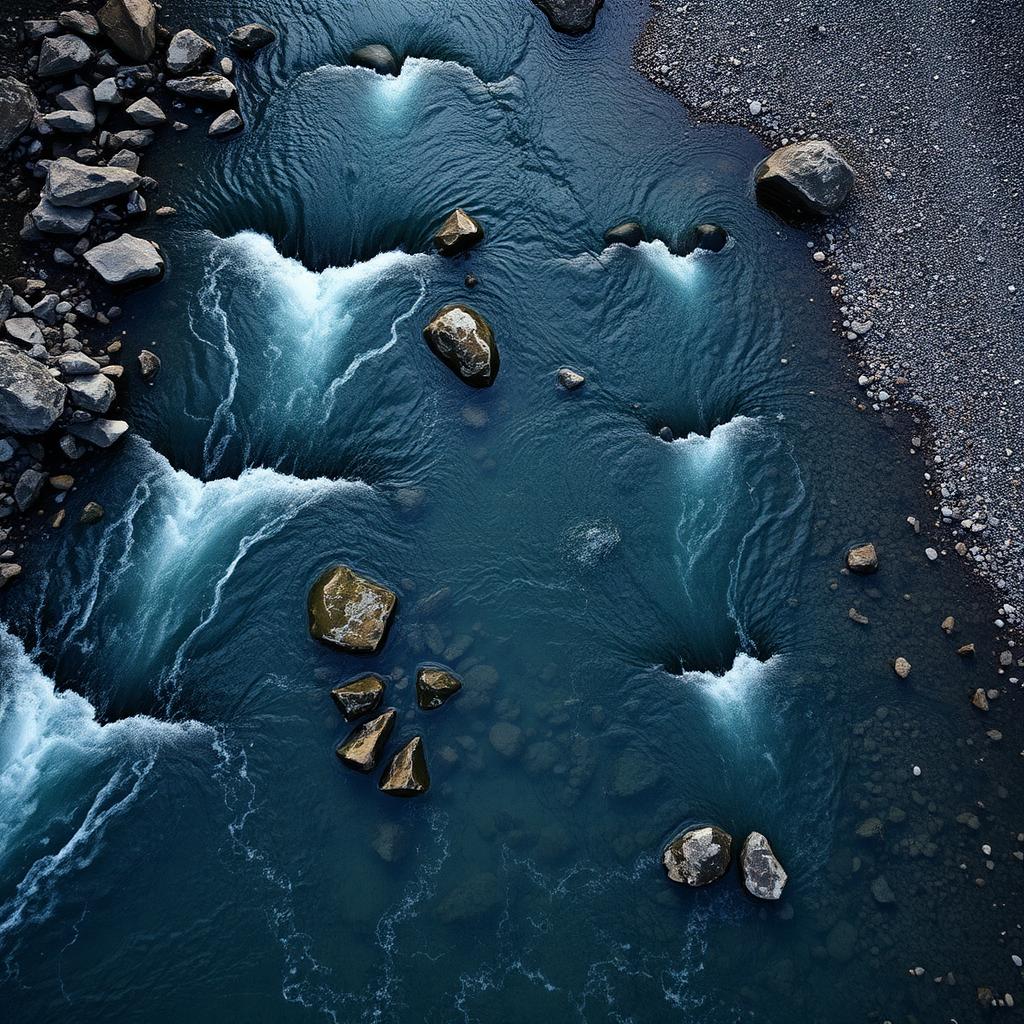
Trout in cold water hold in slow, deep water and expend minimal energy to feed. The productive zones are soft pools, tailouts, and the seams beside heavy current — not the fast riffles that produce in summer. Fish slowly, thoroughly cover each spot, then move.
Managing the cold
Fingerless wool gloves, hand warmers in the palm, layered fleece under waders, a warm knit hat, and hot food kept in a Yeti flask keep a winter angler on the water. Fishing days shorten to whatever hours are above freezing — often 10 AM to 3 PM. Guides ice up in wet weather; a small bottle of guide-slime paste prevents most of the problem.
Cold water handling
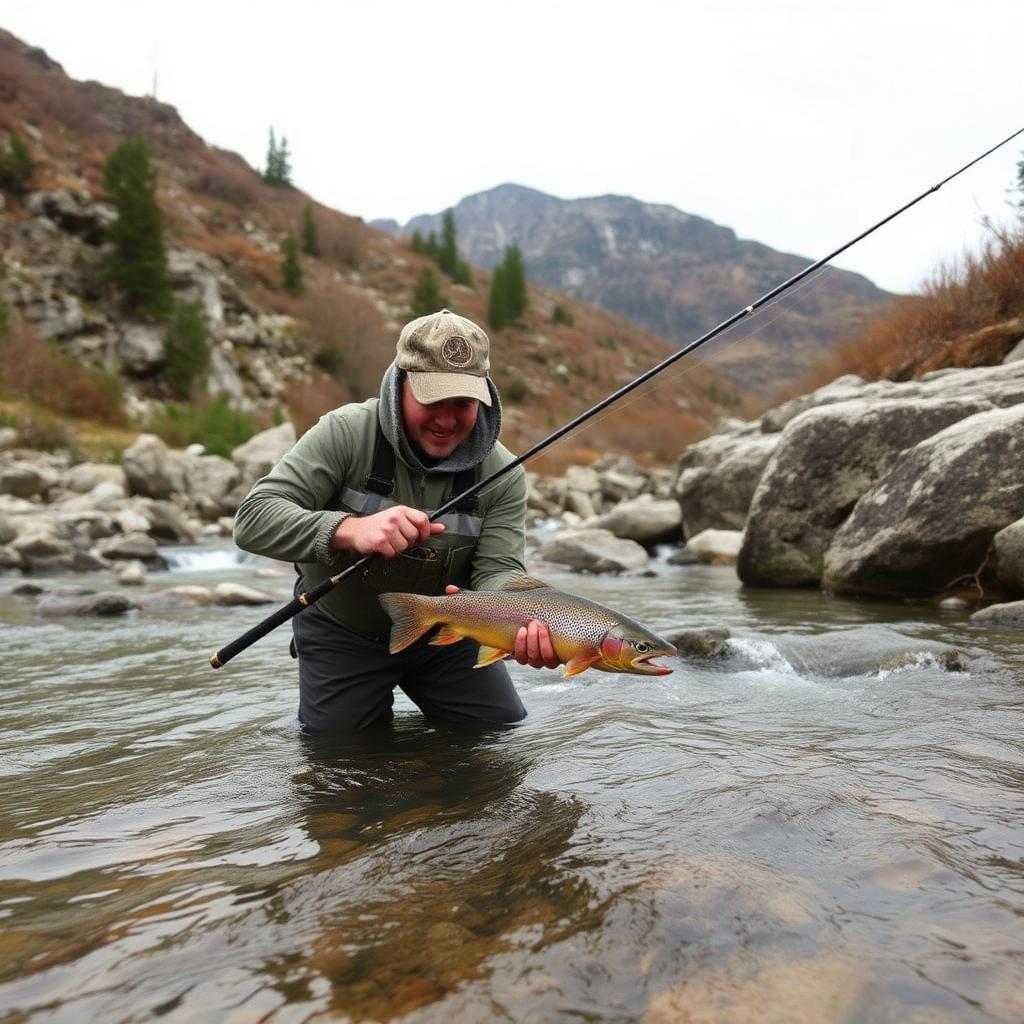
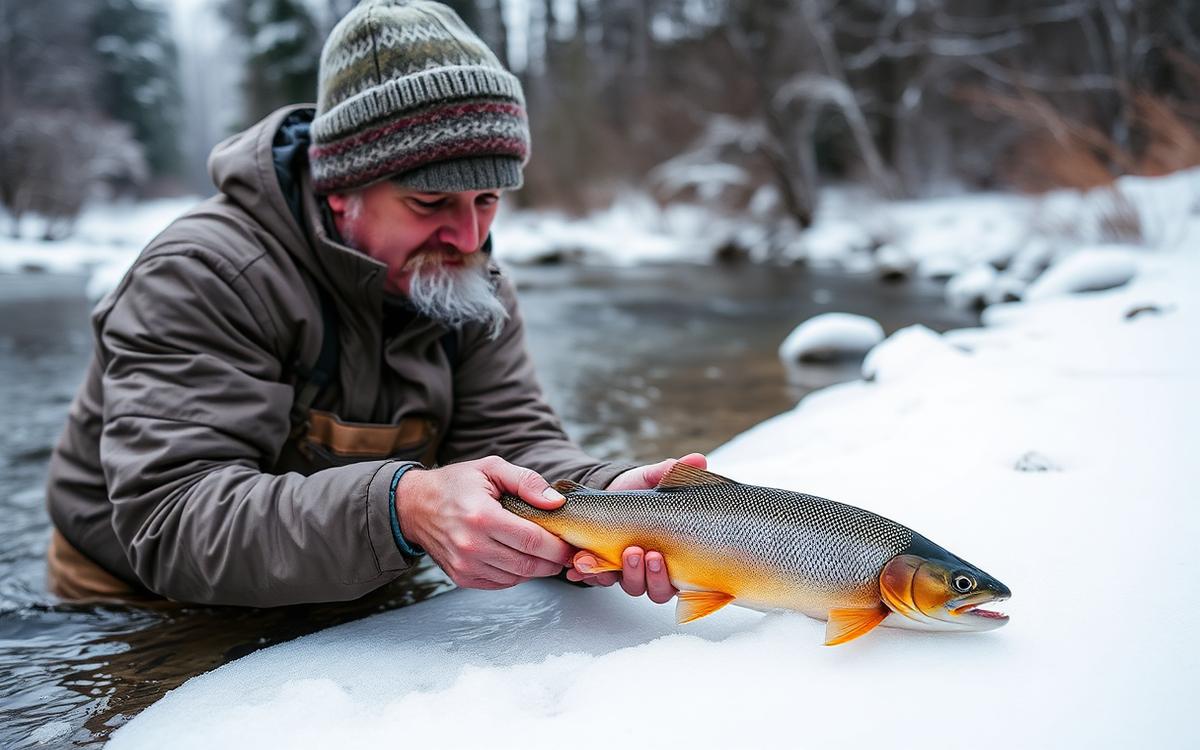
Fish exhausted in cold water recover more slowly than in warm months. Keep the fight short, keep the fish in the water, and revive fully before release — sometimes two or three minutes of holding gently facing into the current. A rushed release in winter can kill a fish that appeared healthy in your hands.
The best winter tailwaters
The San Juan (New Mexico), the Bighorn (Montana), the White River (Arkansas), the South Platte (Colorado), the Bow (Alberta), and the Delaware system (New York/Pennsylvania) all fish through winter with proper technique. Local fly shop reports are the only reliable source for current conditions.
The reward
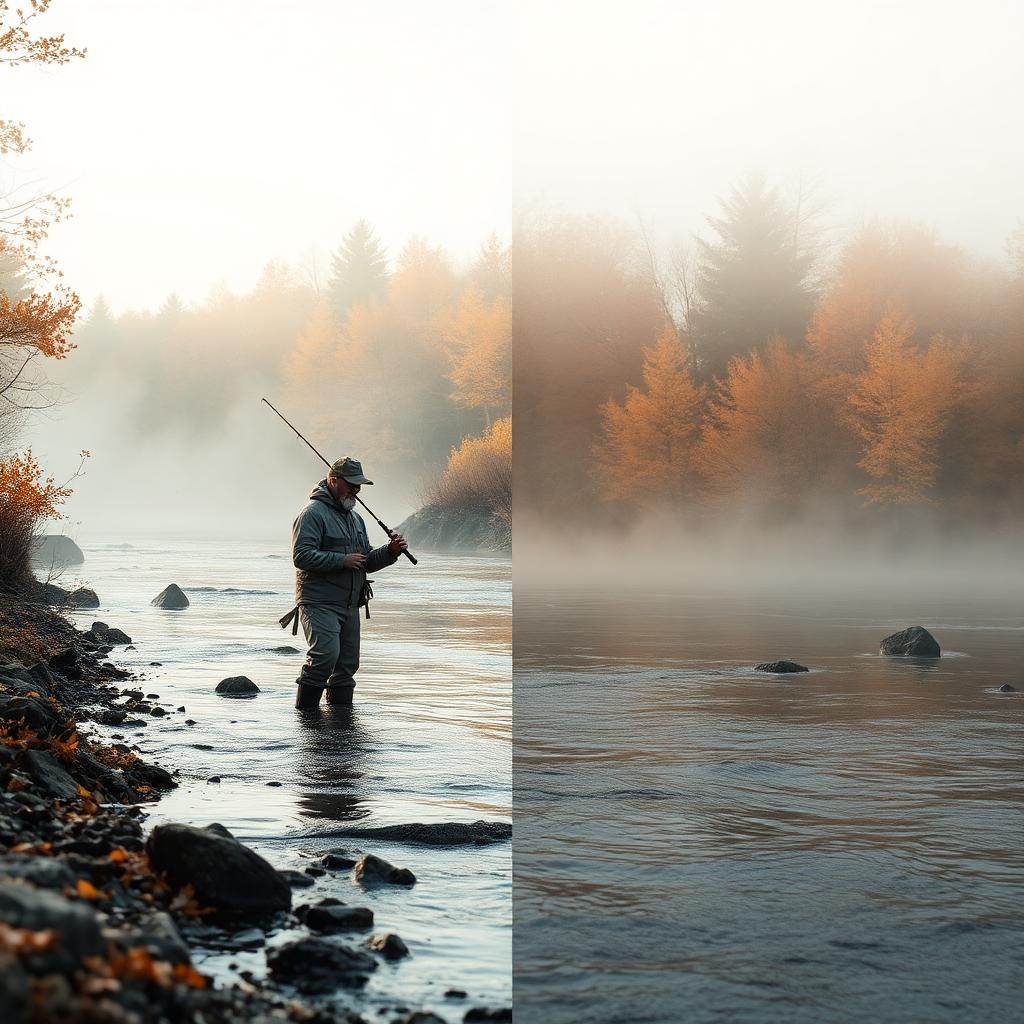
A winter tailwater at 10 AM on a cold clear day is one of the sport's quietest experiences. Steam off the water, no other anglers in sight, a trout eating midges every twenty minutes in perfect solitude. Every serious angler should know this feeling at least once.
Winter fishing is not for everyone, but for the anglers who commit to it, it becomes the favorite months of the year — when the sport returns to what it was before it became popular.
A Yeti flask of hot soup or coffee kept in your pack extends a winter fishing day by hours. Cold is manageable; hunger and low blood sugar are what actually end sessions.
Frequently Asked
- What size midge in winter?
- Sizes 20-24 dominate. Carry 18s as attractors and 24s for pressured fish.
- Best tailwaters for winter?
- San Juan, Bighorn, White River, South Platte, Bow, Delaware — all fish through winter with the right technique.
- How cold is too cold?
- Air temperatures below 20°F ice up guides constantly. Below 10°F, most anglers stay home.
- Any special fish handling?
- Yes. Fights should be short, hands kept in water, and revival slow. Cold-water release stress is real.