Three Nymphing Systems That Catch More Trout
Indicator, Euro and dry-dropper rigs — when each one wins and how to fish them properly.
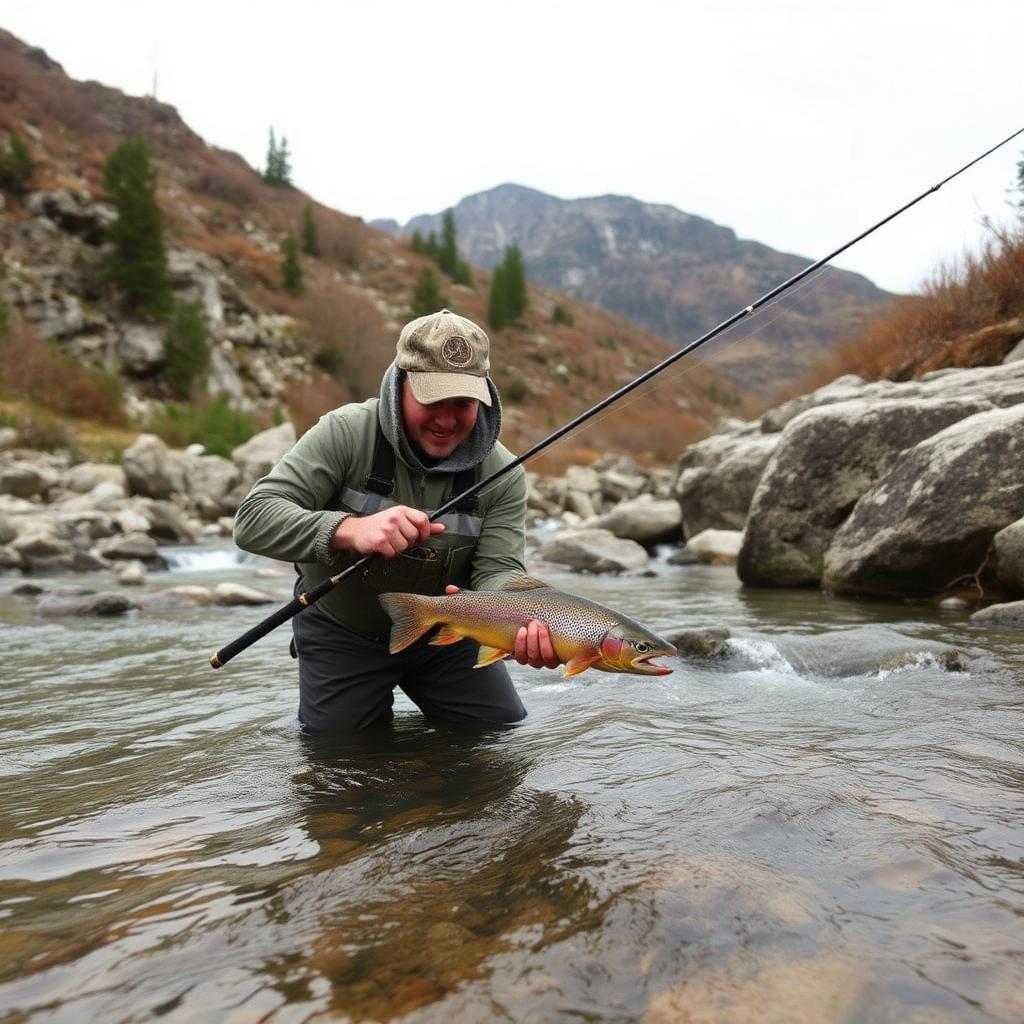
Nymph forms make up 80-90% of a trout's diet, yet subsurface fishing intimidates many anglers because strikes are subtle and rigs are more complex than dry-fly setups. Understanding the three dominant nymphing frameworks is the fastest path to consistent numbers.
Nymphing accounts for the majority of a trout's caloric intake, yet it remains the technique most anglers avoid because it lacks the visual drama of a dry fly rise. Master it and your fish-per-hour numbers change permanently. This guide breaks down the three dominant nymphing systems and when to use each.
Indicator nymphing: the workhorse
A strike indicator — essentially a small float — suspends one or two weighted nymphs at a calibrated depth. Set the indicator at roughly one and a half times the water depth, adjust weight so the flies tick bottom occasionally, and mend upstream to achieve a drag-free drift. Any hesitation, dip, or sideways twitch of the indicator is a strike. Set the hook.
Indicator rigs shine in water from three to eight feet deep with moderate current. Beyond that depth, the drift becomes inefficient. Foam and yarn indicators land softly; plastic bobber-style indicators cast further and are easier to see at distance.
Euro nymphing: contact and sensitivity
European or 'tight-line' nymphing eliminates the indicator entirely. A long rod — typically 10 to 11 feet in a 2 or 3-weight — holds a colored sighter section of monofilament directly above the flies. The angler leads the rig through the drift, keeping just enough contact to feel takes and see the sighter tick. The result is unmatched sensitivity to subtle strikes.
Euro nymphing dominates competition circuits for a reason. In pocket water and moderate runs from ten to thirty feet away, it out-fishes indicator rigs by a wide margin. It struggles at longer range and in very slow water where the direct contact stalls.
Dry-dropper: the searching rig
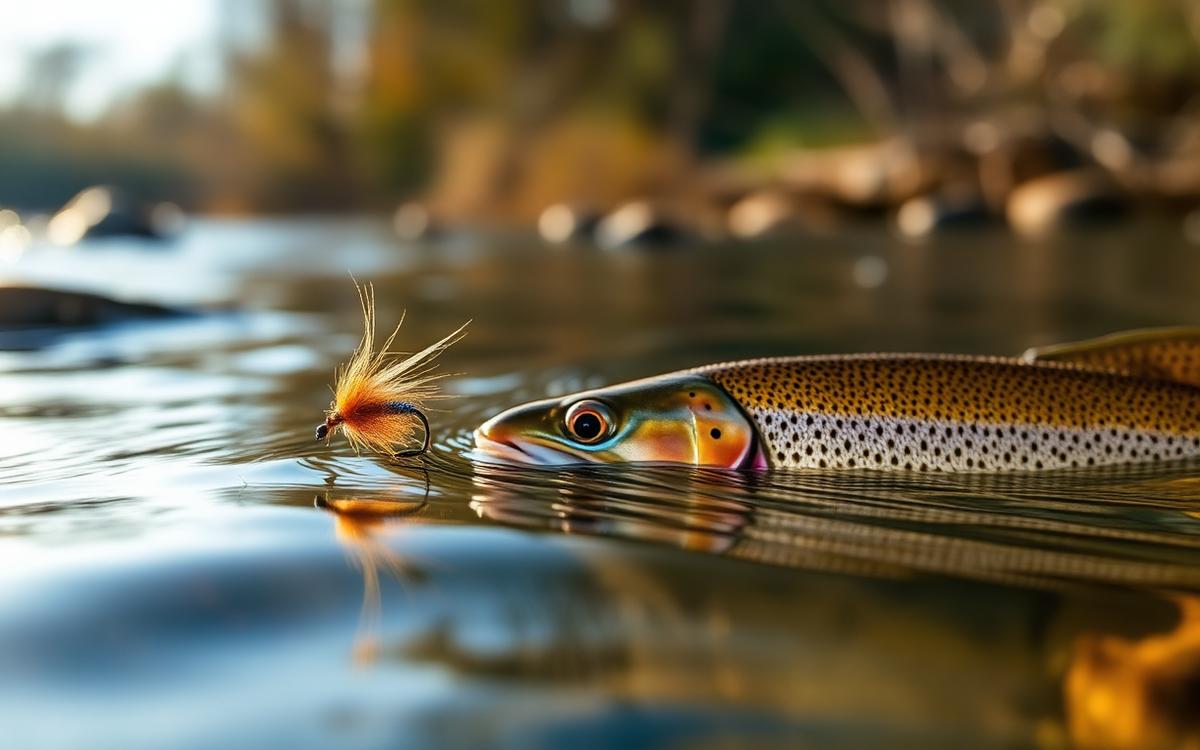
A buoyant dry fly serves as both indicator and fishing fly, with a weighted nymph suspended twelve to thirty-six inches below on a tippet dropper. This rig covers the top and middle of the water column simultaneously and is deadly on freestone streams during shoulder-season hatches when trout look up but still take subsurface offerings.
Reading water for nymphing
Nymphing water is not the same as dry fly water. Look for the seams where fast current meets slow, the deep slots along undercut banks, and the softer troughs behind midstream boulders. Trout hold on the bottom in these lanes waiting for drifting food. The best nymphing water is often ignored by anglers focused on rising fish.
Weight and depth control
Depth control is the entire game. Too shallow and the fish ignore you; too deep and you snag every rock. Carry split shot in three or four sizes and adjust between drifts, not between hours. If you are not occasionally ticking bottom, add weight. If you are constantly snagging, remove it. Tungsten-beaded flies do the same job with less line-fouling.
Common failure modes
The most common nymphing mistake is a drift that is not truly drag-free. Watch the indicator or sighter — if it moves faster or slower than the surface bubbles beside it, your flies are dragging and being ignored. Mend aggressively upstream to buy drift time. The second most common mistake is setting too soft. Nymphing hook sets should be sharp downstream lifts, not tentative twitches.
Fly selection principles
Match size before pattern. A trout eating size 18 mayfly nymphs will refuse a size 12 stonefly regardless of realism. Carry Pheasant Tails, Hare's Ears, and Zebra Midges in sizes 14 to 20, plus a few heavier attractors — Perdigons, Frenchie variations, or beadhead Prince Nymphs — in sizes 10 to 14 for the point fly.
Nymphing rewards patience and precision. The strikes are subtle, the presentation is technical, and the fish are often the largest in the system. Commit a season to it and you will never look at empty water the same way again.
Keep a small waterproof notebook and log each session: water temperature, fly size that worked, depth setting, weight used. After a season, patterns emerge that no book can teach — your water's specific rhythm.
Frequently Asked
- Do I need a dedicated Euro rod?
- Not to start. A standard 9-foot 5-weight nymphs effectively at moderate distances. Buy a Euro rod once you know the technique suits you.
- What size split shot should I carry?
- Sizes BB, 4, and 6 cover most trout scenarios. Non-toxic (tin or tungsten putty) is required in many waters.
- How do I detect the subtle strikes?
- Watch the indicator or sighter, not the fly. Any deviation from a natural drift — a stall, a dip, a sideways tick — is a strike.
- Is nymphing 'less pure' than dry fly?
- A cultural debate, not a technical one. Trout eat what is available. Nymphing is the honest reflection of trout diets.