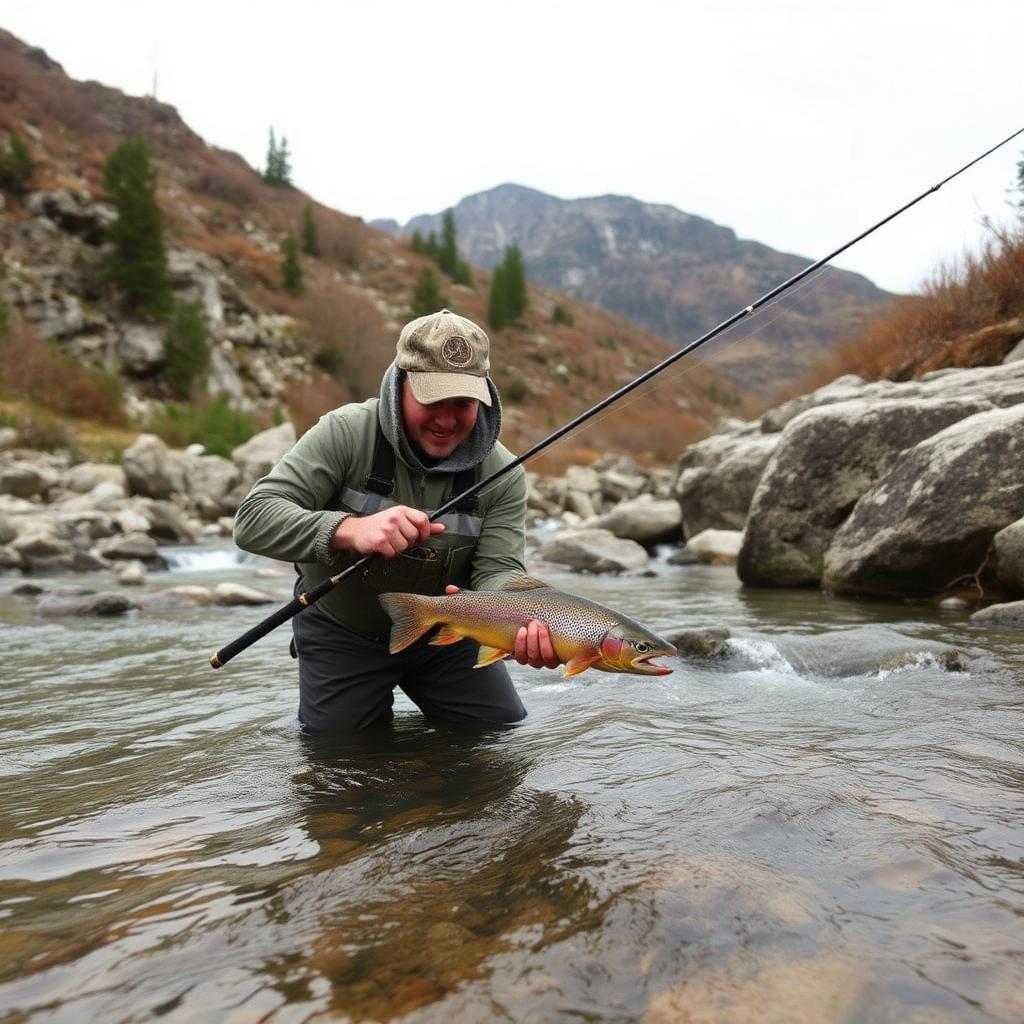
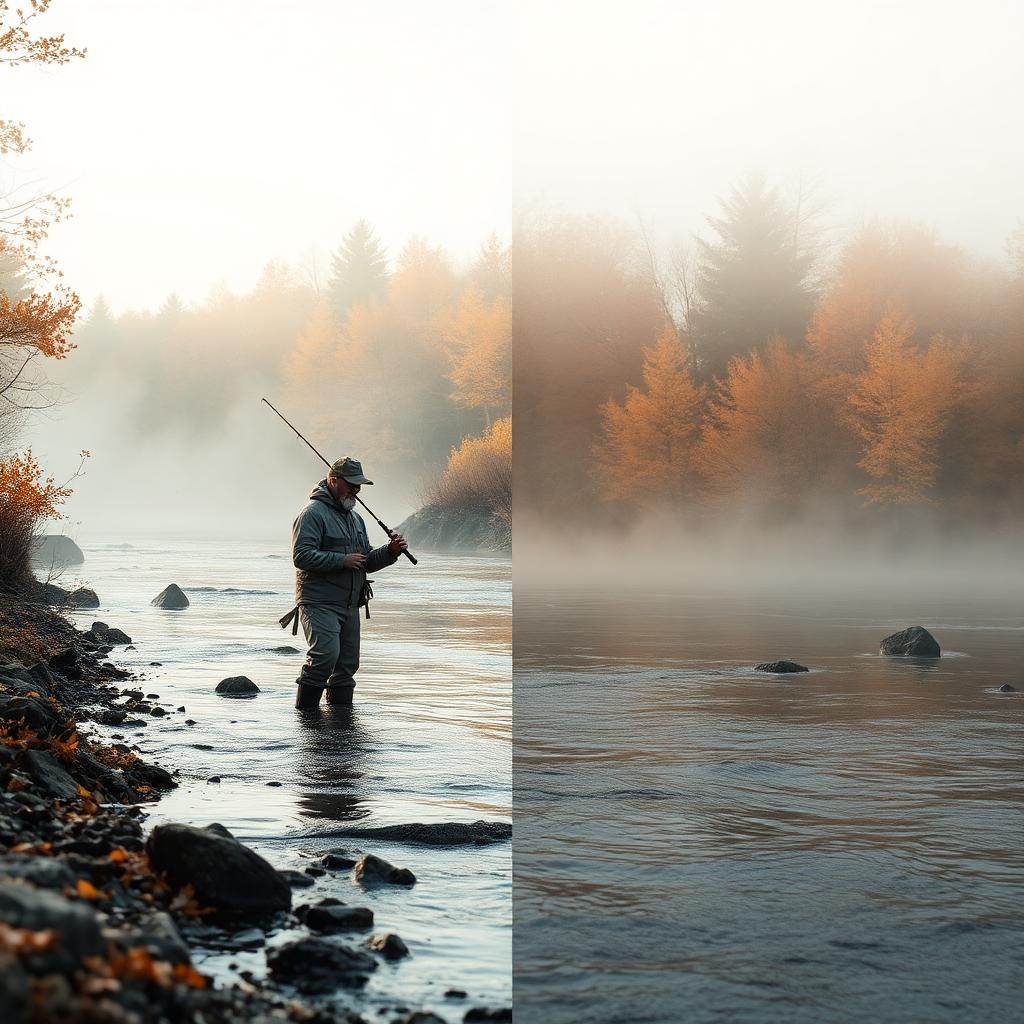
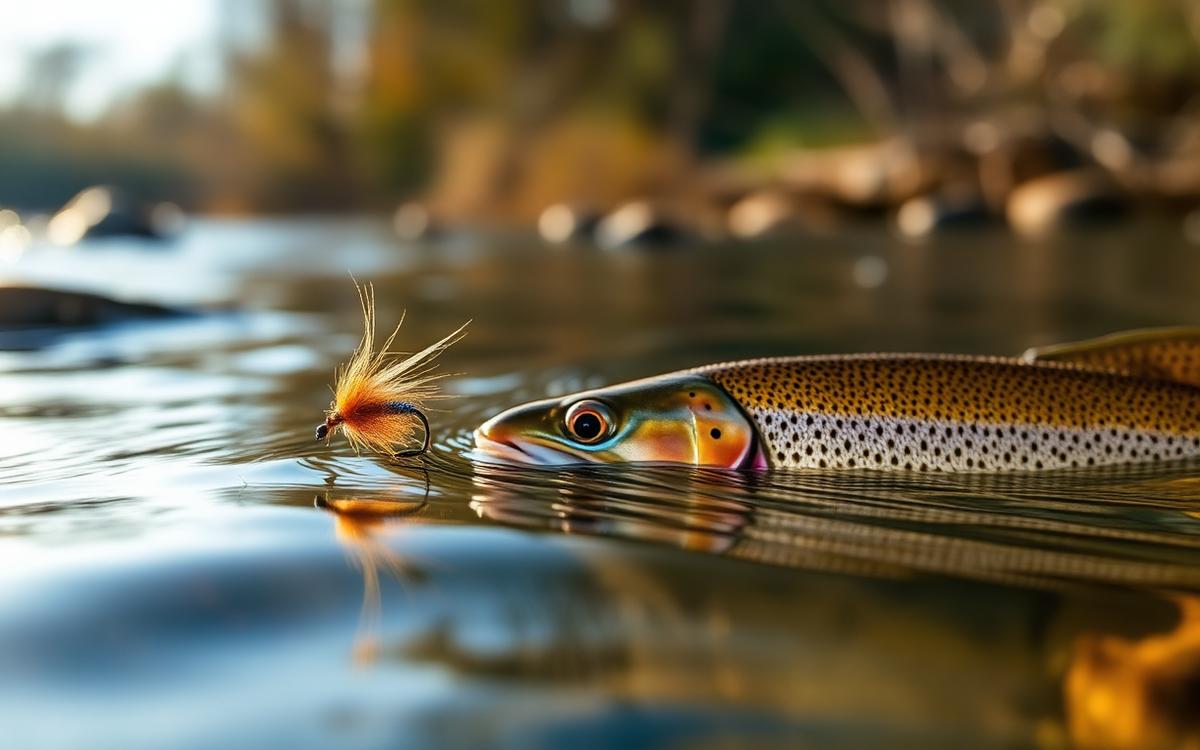
Reading Trout Water: A Framework You Can Use on Any River
Seams, bubble lines, pocket water and tail-outs — the mental model that transfers everywhere.
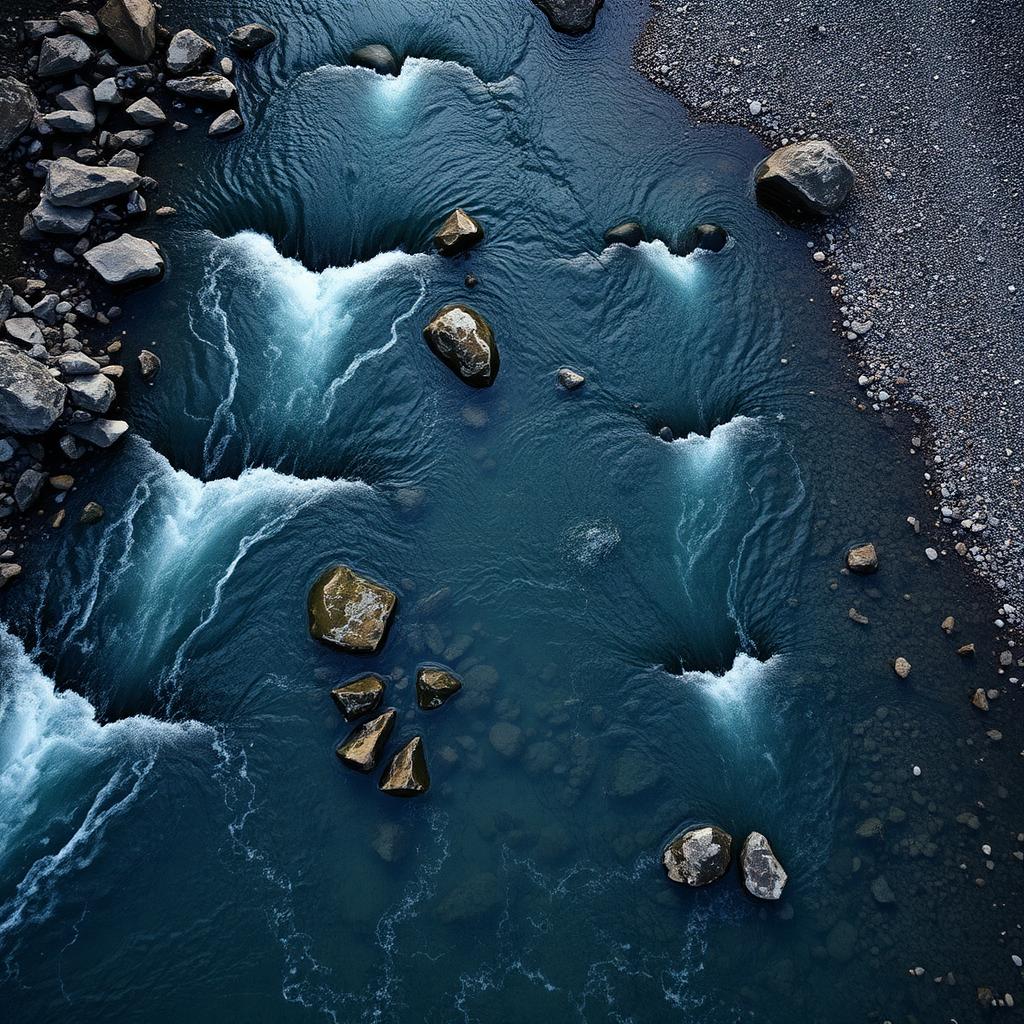
Water-reading is pattern recognition applied to hydrology. Trout hold where current speed, depth, and structure intersect. The angler who trains this recognition catches fish on unfamiliar water immediately.
Reading water is the single skill that separates anglers who catch trout everywhere from anglers who only catch trout on familiar rivers. Fly patterns and casting mechanics matter, but they are downstream of the more fundamental question: where are the fish holding right now, and why? This piece breaks water-reading into a repeatable framework.
The three needs of a trout
A holding trout balances three needs: food, shelter, and oxygen. Food comes from current — the faster the water, the more calories it delivers per hour. Shelter comes from depth or structure that hides the fish from predators. Oxygen comes from turbulence and cooler temperatures. Any lie that satisfies all three at once holds a trout, often a large one.
Prime water types
- Riffles: Shallow, broken water that oxygenates the river and dislodges nymphs. Trout tuck behind small rocks and along the edges.
- Runs: Deeper, uniform current below riffles. The classic seam between fast surface water and slower bottom current is textbook holding water.
- Pools: The slow, deep sections between runs. Trout hold at the head where food enters, along the edges, and near the tail-out.
- Pocket water: A jumble of boulders creating soft cushions in front and behind. Each pocket can hold a fish and rewards short, accurate casts.
- Undercut banks: Erosion cuts out a hidden shelf. Big brown trout in particular love these ambush points.
Seams: the highest-percentage feature
A seam is any line where two currents of different speed meet. Trout hold in the slower water and dart into the faster water to intercept food. Every productive drift you will ever make starts by identifying the seam and putting your fly on the faster side so it drifts into the fish's lane. Once you train your eye to see seams, you see them everywhere.
Bubble lines are food conveyors
Foam and bubbles collect along the strongest food-carrying currents. 'Foam is home' is a cliché because it is true. If you cannot decide where to cast, put your fly on the bubble line and let it drift the full length of the foam. This shortcut works on rivers you have never seen before.
Adjusting for season and temperature
In cold water, trout hold in slow, deep water where they can conserve energy. In warm water, they seek oxygen — riffles, plunge pools, and cold tributary mouths. In summer heat, dawn and dusk sessions in oxygenated water outproduce the middle of the day. In spring runoff, fish tuck into the softest edges you can find — sometimes right at your feet.
The 30-second scan
Before you cast, stop and look. Where is the current fastest? Where is it slowest? Where do the two meet? Is there structure — a rock, a log, a depth change — near that seam? What is the bubble line doing? A 30-second scan of every new piece of water will teach you more in a season than a hundred blind casts.
Fish the water in front of you first
New anglers cast to the far bank. Experienced anglers fish the near seam first. Many of the biggest trout in a river hold in water shallower and closer than beginners expect. Wade slowly, fish the water within twenty feet of your feet before you extend your range, and you will spook fewer fish and hook more.
Water-reading is a lifelong skill. Every river teaches you something new, and the patterns eventually become intuitive. When you walk up to a run and instantly know where to cast, the sport transforms.
Spend ten minutes before you rig up just watching a run. Note where you see rises, where bubbles concentrate, where the current speed changes. You will out-fish anglers who cast first and look second by a wide margin.
Frequently Asked
- What is the single highest-percentage feature to fish?
- The seam — the line where fast and slow currents meet. Fish it every time.
- Are trout usually in the middle of the river?
- Rarely. They prefer edges, seams, and structure. Middle-of-the-river casts are usually blind hope.
- How do bubble lines help?
- Bubbles collect on the strongest food-carrying currents. 'Foam is home' is a real principle.
- Does this apply to stillwaters?
- The specifics change, but the principle — find where food and shelter intersect — is universal.