Mastering the Dry Fly Dead Drift
Reach casts, curve casts, and the presentation discipline that fools educated surface-feeding trout.
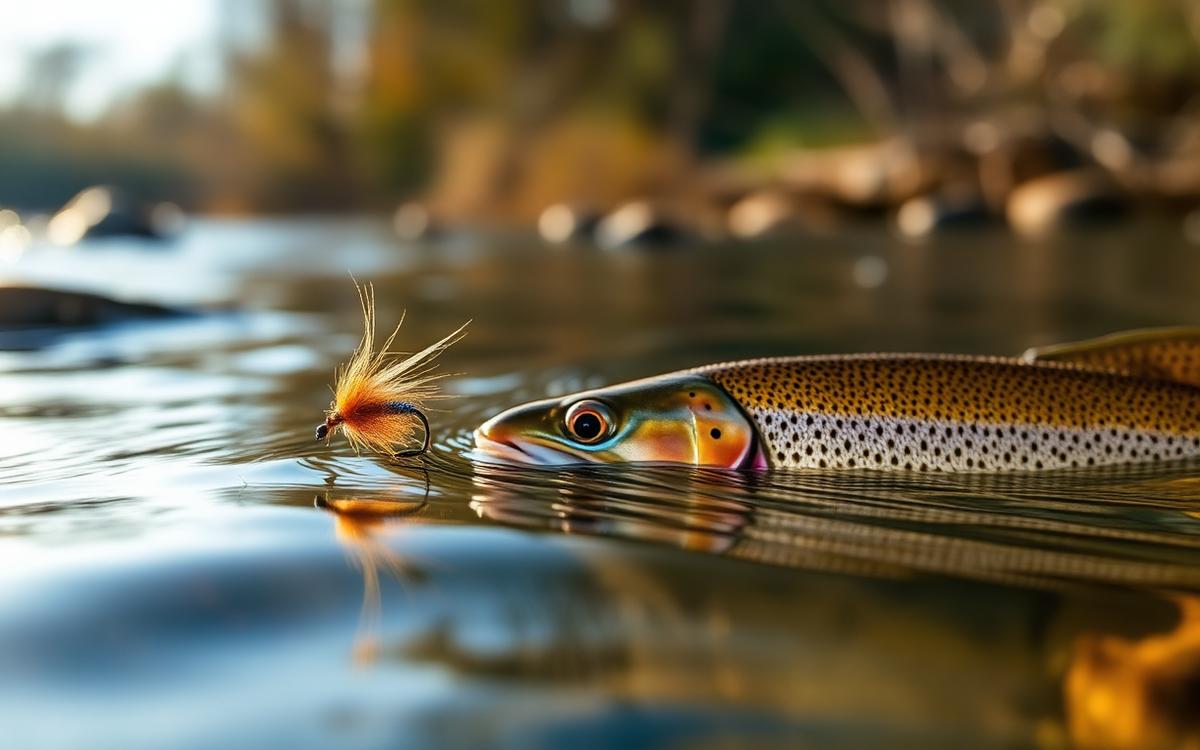
A drag-free drift is the technical foundation of dry fly fishing. Even a perfect fly pattern will be refused by educated trout when the leader introduces the smallest cross-current tension.
The dry fly dead drift is the purest expression of fly fishing — a small, feathered imitation riding the surface film exactly as a natural insect would, with no drag, no wake, no evidence of the leader and line trailing behind it. Every trout that eats a dry fly rewards a specific set of skills that took the sport a century to codify.
Drag is the enemy, always
A natural mayfly on the water does one thing: it drifts. It does not swim, twitch, or accelerate. The moment your fly moves at a speed different from the surface current around it — even a fraction of a knot — a mature trout notices and refuses. Drag is created by the line pulling on the fly through faster or slower current between you and the target. Every dry fly presentation is an argument against drag.
Positioning defines the cast
The best dry fly anglers spend more time choosing a casting position than executing the cast. Position yourself so the currents between rod tip and fly are as uniform as possible. Directly downstream and slightly to the side is often ideal — a straight upstream cast puts you in the trout's blind spot and gives the fly a long, drag-free drift back to you.
Reach casts, curve casts, pile casts
A basic overhead cast lands the leader in a straight line — which drags almost immediately in mixed currents. The reach cast tilts the rod tip upstream at the end of the stroke, laying the line above the fly and buying two or three seconds of dead drift. Curve casts turn the leader into a slight hook that absorbs current tension. Pile casts deliver slack that unrolls as the fly drifts. Learn one at a time; each is worth a season of study.
Mending is not a magic fix
Beginners over-rely on mending — flipping the line mid-drift to counter drag. Aggressive mends move the fly and spook fish. Better to solve drag in the cast itself with the right angle and slack, then use small, gentle mends only to extend the drift once it is already good.
Read the rise before you cast
Different rise forms tell you what the trout is eating. A splashy, chasing rise means the fish is taking emerging or fluttering insects. A slow, deliberate head-and-tail rise means it is sipping duns or spinners in the film. Bulges beneath the surface mean it is on emergers, not adults. Match the fly to the rise, not just the hatch on the water.
Presentation over pattern
Given a choice between the perfect fly with a dragging presentation and a mediocre fly drifting perfectly, the mediocre fly wins nearly every time. Elk hair caddis, Parachute Adams, and a small foam ant will cover 80 percent of dry fly water anywhere in the world if you present them well.
The strike
On a dry fly, resist the urge to strike hard. A slow lift of the rod — 'God save the Queen' spoken calmly before you set — gives the trout time to close its mouth and turn down. A hard, fast set on a dry fly pulls the fly out of the fish's mouth more often than it hooks it. This is the single most common cause of missed dry fly strikes.
The dry fly demands patience: hours of watching, careful positioning, one perfect cast. When it works, when a wild fish lifts to your fly in a quiet run at dusk, you understand why generations of anglers have chosen to fish this way even when other methods would catch more.
On the water, before every cast, trace the currents between your rod tip and target with your eyes. Solve the drag problem in the air, not with mid-drift mends.
Frequently Asked
- How much slack should I cast into the leader?
- Enough to give three to five seconds of dead drift over the target. More on complex currents, less on uniform flows.
- When should I use a reach cast?
- Any time you cast across current — which is most of the time. It should become the default, not the exception.
- Is 6X leader always necessary?
- For selective trout on flat water, yes. On riffles or with bushy attractors, 4X or 5X is often sufficient and lands more hooked fish.
- Why do trout refuse a perfect fly?
- Usually micro-drag invisible from your angle. Change position rather than change patterns.