Stillwater Tactics: Fly Fishing Trout Lakes Effectively
Chironomids, damsels, and the float-tube mindset that produces the largest trout most anglers never target.
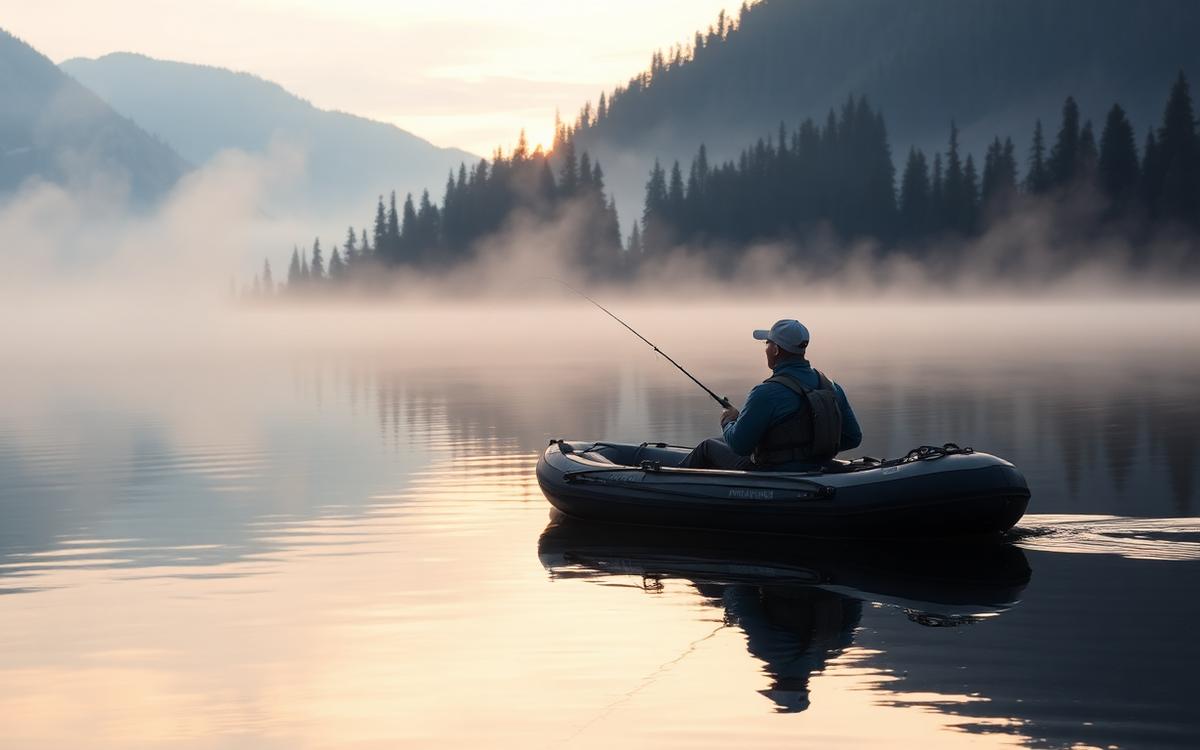
Trout lakes hold the largest fish in most regions but require a completely different mindset than moving water — intercepting cruising fish along structure rather than picking apart holding lies.
Rivers get all the attention in fly fishing culture, but stillwaters — lakes, ponds, reservoirs — hold the largest trout in most regions and reward a completely different skill set. Learn stillwater and you extend your season, catch bigger fish, and fish productive water when moving water is blown out, too warm, or closed.
Trout in lakes think differently
River trout hold in specific lies and let food drift past. Lake trout cruise, hunt, and follow food along contours. Your job is not to find a holding spot — it is to intercept a cruising fish. Understanding this shift in mindset is the biggest hurdle for river anglers moving to stillwater.
Read the lake with structure
The productive water on a lake is nearly always the edges: drop-offs where shallow flats meet deep water, weed line borders, submerged points, and inlet mouths. Trout patrol these edges cruising for food. Bright open middle water rarely holds fish beyond deep-suspended cruisers.
The float tube or pontoon changes everything
Bank fishing on a lake covers a tiny fraction of productive water. A basic float tube ($200) or pontoon boat ($400-800) opens the entire lake. You can drift with the wind, anchor over structure, and cover water at your pace. This is the single largest performance jump a stillwater angler can make.
Rig and line choices
A 9 or 10-foot 5 or 6-weight rod, with a floating line for chironomid work and an intermediate sink line for streamers and leeches, covers 90 percent of stillwater. A long leader — 12 to 15 feet — is essential; lake water is clear and undisturbed, and short leaders spook fish.
Chironomids: the stillwater staple
Midges (chironomids) make up the largest single food source in most trout lakes. Fish them under a strike indicator, suspended precisely 12 to 18 inches off the bottom, and leave them still. This technique — often derided by moving-water anglers as boring — produces double-digit numbers on Kamloops-style lakes in British Columbia and interior Rockies waters.
Damsels, callibaetis, leeches
Beyond midges, the productive stillwater rotation is damselfly nymphs in early summer (retrieve slowly across weed edges), callibaetis mayflies in mornings (dry fly at last), and leech patterns year-round (slow strip retrieve, olive or black).
The wind is your friend
Beginners hate lake wind — it makes casting hard. Experienced stillwater anglers welcome it. Wind pushes food along the surface, creates chop that hides the leader, and stirs oxygen into shallow water. The productive shore on a windy day is almost always the leeward one where food collects.
Seasonal windows
Ice-out and fall turnover are the two peak windows on most trout lakes — water column mixes, oxygen redistributes, and big fish move into shallow water within reach. Mid-summer thermocline stratification pushes trout to specific depths that require sinking lines and patient searching.
Stillwater rewards observation over action. Watch the water for cruising rings, follows, and surface disturbance before you cast. The angler who watches for ten minutes catches more fish than the one who casts for ten minutes.
A basic float tube unlocks 90 percent of a lake that bank anglers can never reach. It is the single largest performance upgrade in stillwater fly fishing.
Frequently Asked
- What is a chironomid?
- The lake-dwelling midge, and the single most important food source in most trout lakes. Fish them under an indicator, dead still.
- Do I need a sinking line?
- An intermediate sinking line covers most stillwater. Add a fast sink line if you fish deep summer thermoclines.
- When is the best time?
- Ice-out and fall turnover. Both windows push large trout into shallow reachable water.
- Is a boat necessary?
- Not required, but a float tube or pontoon multiplies success dramatically over bank fishing.