The One-Fly Format: What Competing With a Single Fly Teaches
Pick one fly, fish it all day, lose it and you're done — the format that proves presentation beats pattern.
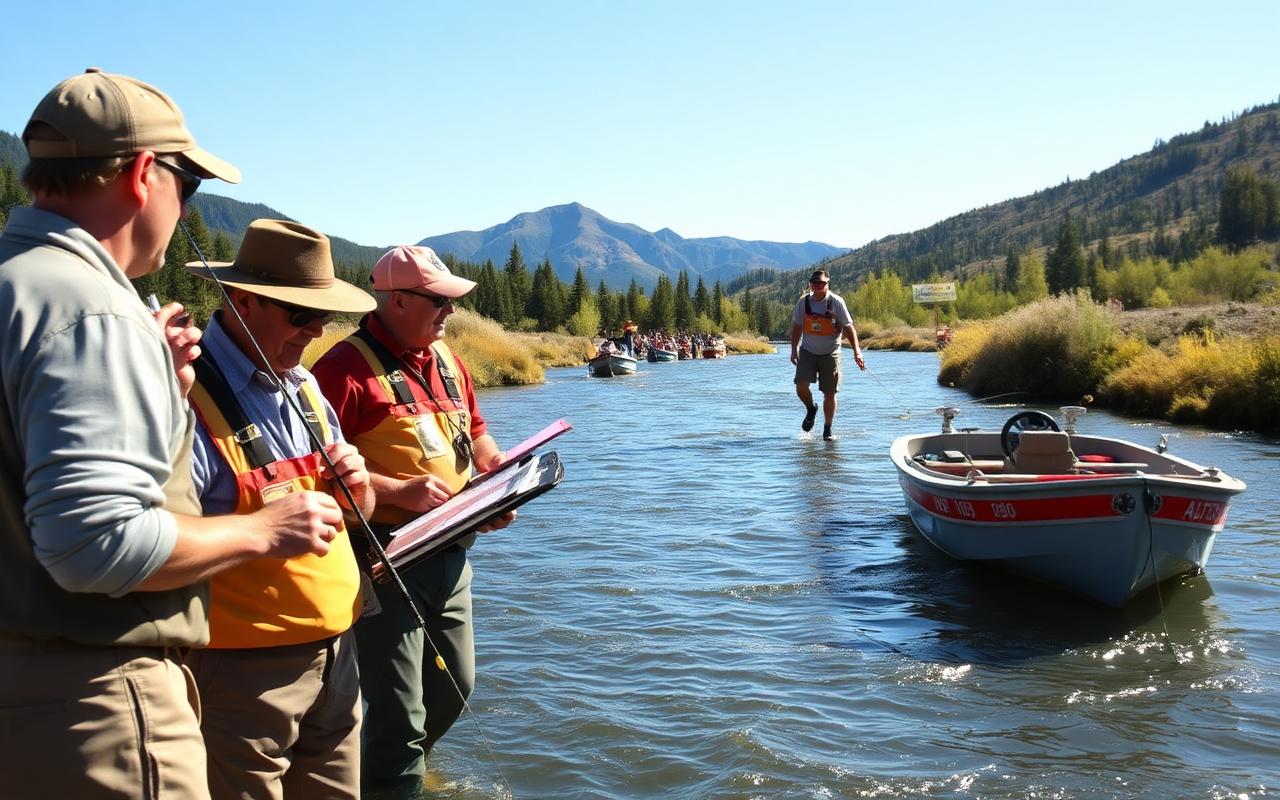
One-fly competitions require each angler to register a single fly and fish it for an entire session; losing it ends the day. Events such as Jackson Hole's One Fly pair the format with charity auctions that fund river habitat work.
Competitive fly fishing makes many anglers uncomfortable, and the one-fly format is the version that most often changes their minds. The rules are simple to the point of severity: each competitor chooses a single fly and fishes it for the whole session. Lose it, and you are done. What sounds like a gimmick turns out to be the most instructive competition format in the sport.
How a one-fly event works
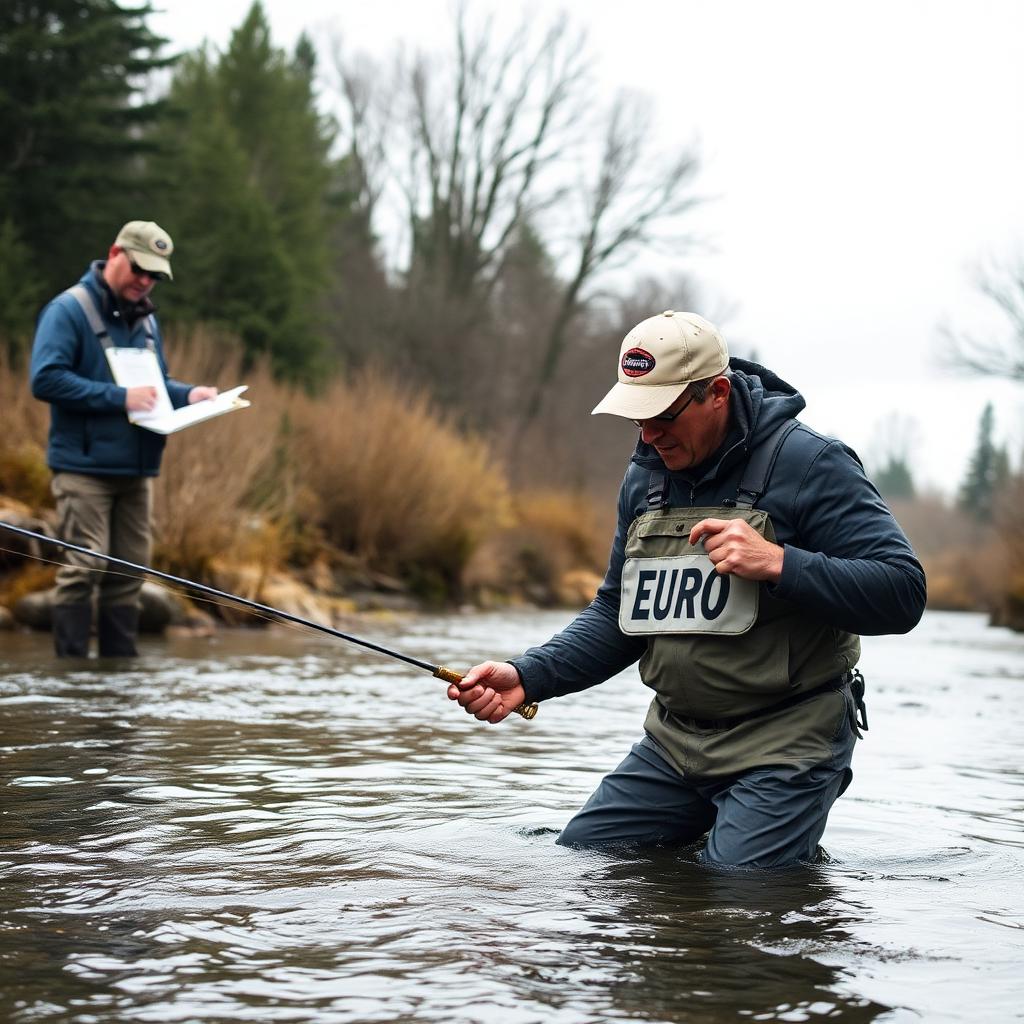
The format varies by event, but the core is consistent. Competitors register a fly — often literally handing it to a judge who inspects and records it — and fish a defined beat or float for a fixed session with a judge or observer aboard. Fish are measured and released, with points awarded by length or by species class. If the fly is lost to a rock, a tree, or a broken tippet, the angler's fishing day ends at that moment, no matter how much time remains.
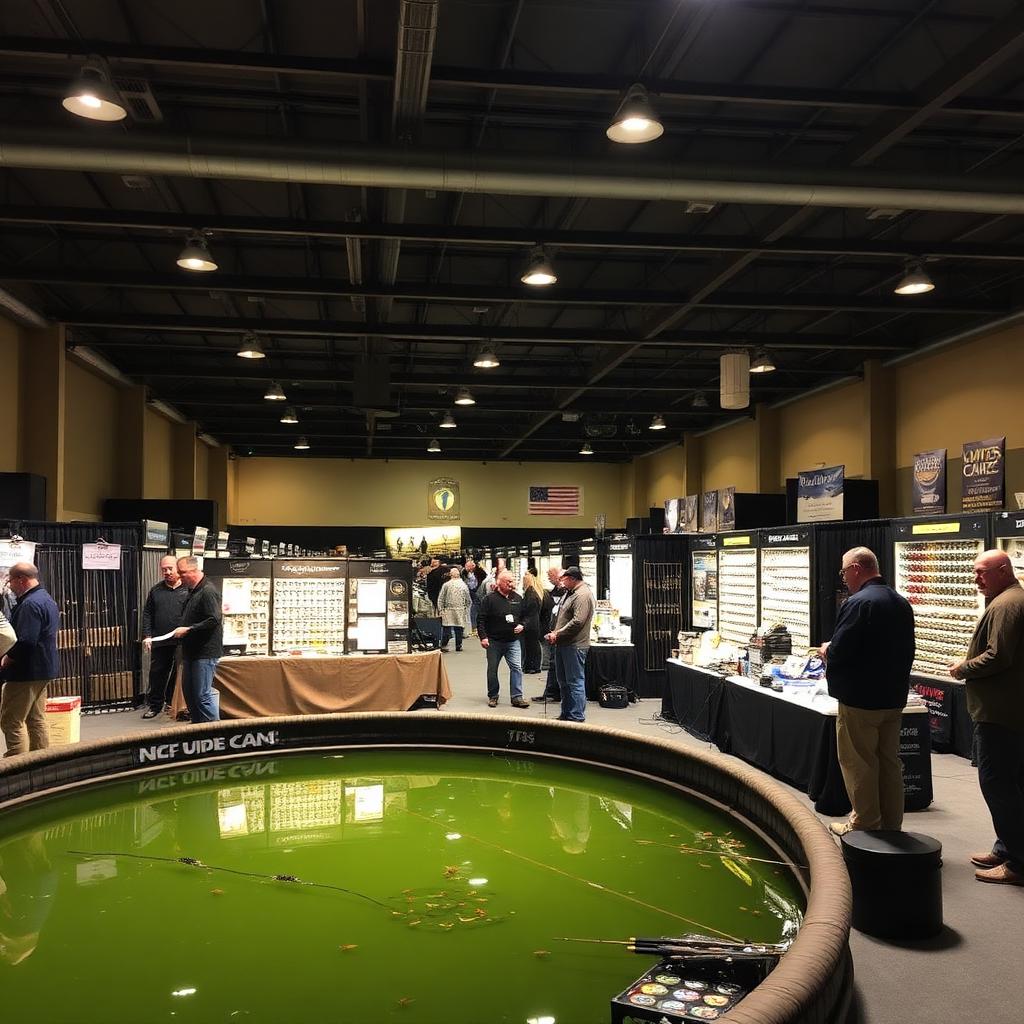
Most events run in teams of two with a guide who is not permitted to fish, over one or two days, and combine a scored competition with a charity auction and a large social programme. The best-known example, Jackson Hole's One Fly on the Snake River, has raised millions for river habitat work and set the template that dozens of regional events now follow.
Choosing the fly
The selection problem is genuinely interesting because three criteria pull in different directions: how many fish the pattern catches, how many species and water types it covers, and how long it survives being chewed and cast.
- Durability first: heavily wrapped bodies, wire ribs, and strong hooks. Delicate CDC and quill-bodied patterns catch fish and disintegrate.
- Versatility second: a pattern that can be fished dry, damp in the film, or dredged if conditions change is worth more points over a full day than a specialist.
- Hook quality third: a heavy-wire barbless hook that will not open under pressure. A straightened hook is the most infuriating way to end a session.
- Visibility: you need to track it, and so does the judge.
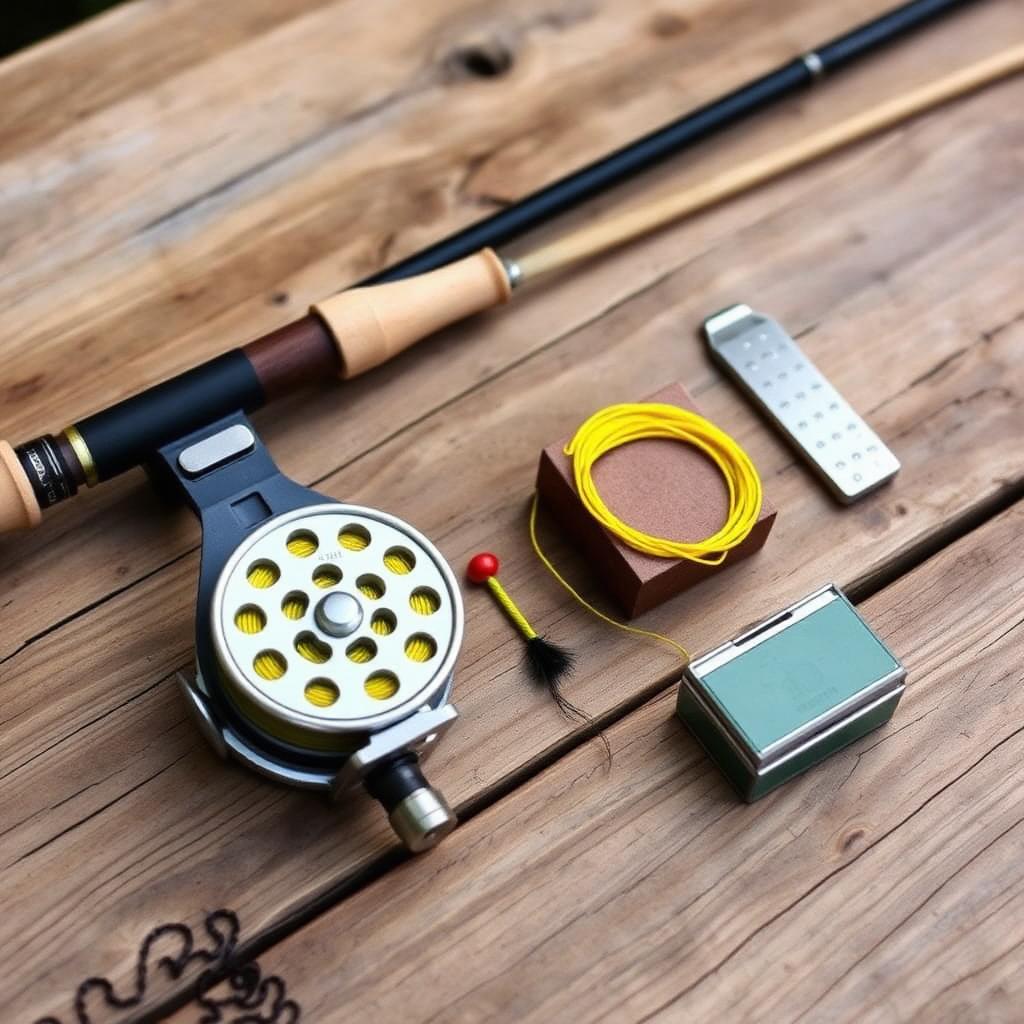
Two families dominate practical choices in western trout events: a large buoyant foam attractor such as a Chubby Chernobyl, which floats indefinitely, doubles as an indicator, and survives dozens of fish; and a durable rubber-legged nymph such as a Pat's Rubber Legs, which fishes deep, catches indiscriminately, and is essentially indestructible. Which of the two wins depends on the weather and the water, which is exactly the judgement the format is testing.
Tactics under a survival constraint
One-fly changes behaviour more than it changes technique. Competitors fish further from structure, accept fewer high-risk shots into overhanging brush, and check knots obsessively. Many use slightly heavier tippet than they otherwise would, trading a small number of refusals for a much lower chance of a break-off.
Snag recovery becomes a specific skill. Rather than pulling straight, experienced competitors reposition the boat or wade above the snag and pull from the opposite direction, use a roll cast to flip slack over the fly, and treat every hang-up as a two-minute rescue operation rather than a lost fly.
Time management matters too. Because the session ends when the fly is lost, aggressive early fishing in the highest-percentage water is often correct — bank points while you still have the tool — and the last hour is fished conservatively.
What competitors learn
Anglers who fish one-fly events almost universally report the same lesson: pattern selection matters far less than presentation. Watching a competitor take twenty fish on a single generic attractor while your own well-stocked box produced eight is a permanent cure for the belief that the next fly purchase will solve your fishing.
The second lesson is about knots and tackle discipline. Competitors who lose flies overwhelmingly lose them to knot failure, wind knots in the tippet, and abrasion they failed to check. A season of one-fly fishing produces anglers who re-tie without being told and inspect tippet after every fish.
The conservation and charity dimension
Almost every established one-fly event is a fundraiser. The competition supplies the reason for people to gather, and the auction and entry fees supply the money that goes into habitat restoration, access acquisition, and youth programmes on the host river. It is a rare arrangement in which the fishing community's competitive impulse is pointed directly at the water it depends on.
The format is also inherently low-impact. Barbless hooks are typically required, fish are measured in the net and released immediately, judges enforce handling rules, and the total number of rods on the river is capped. Compared with an unregulated weekend on the same water, a well-run event is often gentler.
Fishing your first one
Enter a regional event before a marquee one. Practise on the host water in the weeks before if permitted, and specifically practise fishing your chosen pattern in every way you might need to fish it — dry, dropper-less, sunk, swung. Tie or buy a dozen identical copies so you can rehearse without anxiety, then register the best one.
On the day, treat the judge as a resource rather than an adversary; most are experienced anglers who will happily explain scoring nuances. Be friendly with your boat partner, because you will share water and decisions all day. And when you inevitably hang the fly on a willow at eleven in the morning, remember that the point of the format is not the score. It is finding out what you can do with one fly, which is very close to finding out what kind of angler you actually are.
Pick durability over delicacy. A Chubby Chernobyl or a Pat's Rubber Legs will survive thirty fish and a dozen snags; a quill-bodied dun will not survive lunch.
Frequently Asked
- What happens if I lose my fly?
- Your session ends immediately, regardless of how much time remains. That constraint is the entire point of the format.
- What fly do most competitors pick?
- In western trout events, a large foam attractor or a durable rubber-legged nymph. Both are near-indestructible and broadly effective.
- Is it hard on the fish?
- Generally less so than an unregulated weekend: barbless hooks, in-net measurement, judged handling, and capped rod numbers.
- Should a first-timer enter?
- Yes — start with a regional event. Most competitors say it improved their presentation more than any equipment purchase.