Inside Competitive Fly Fishing: How Contests Shape Modern Technique
The World Championships, national circuits, and how competition-tested tactics reach recreational anglers.
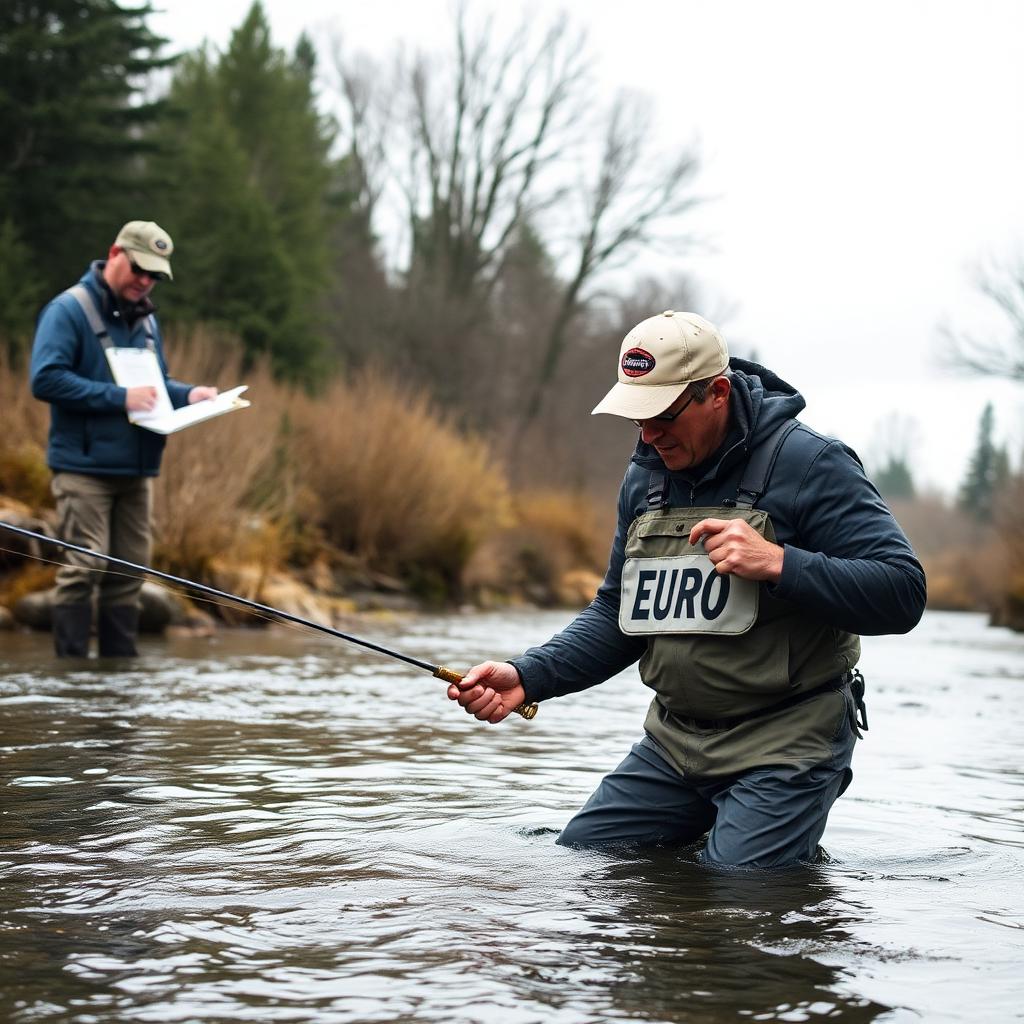
Competitive fly fishing operates under the FIPS-Mouche framework globally. National teams qualify through open circuits. The technical innovations from this scene — especially modern Euro nymphing — have transformed the recreational sport.
Competitive fly fishing has, over the past two decades, quietly transformed the techniques recreational anglers use. Modern European nymphing, refined leader systems, and the general shift toward tight-line contact fishing all trace their popularization to the World Fly Fishing Championships and the national circuits that feed it.
How competitive fly fishing works
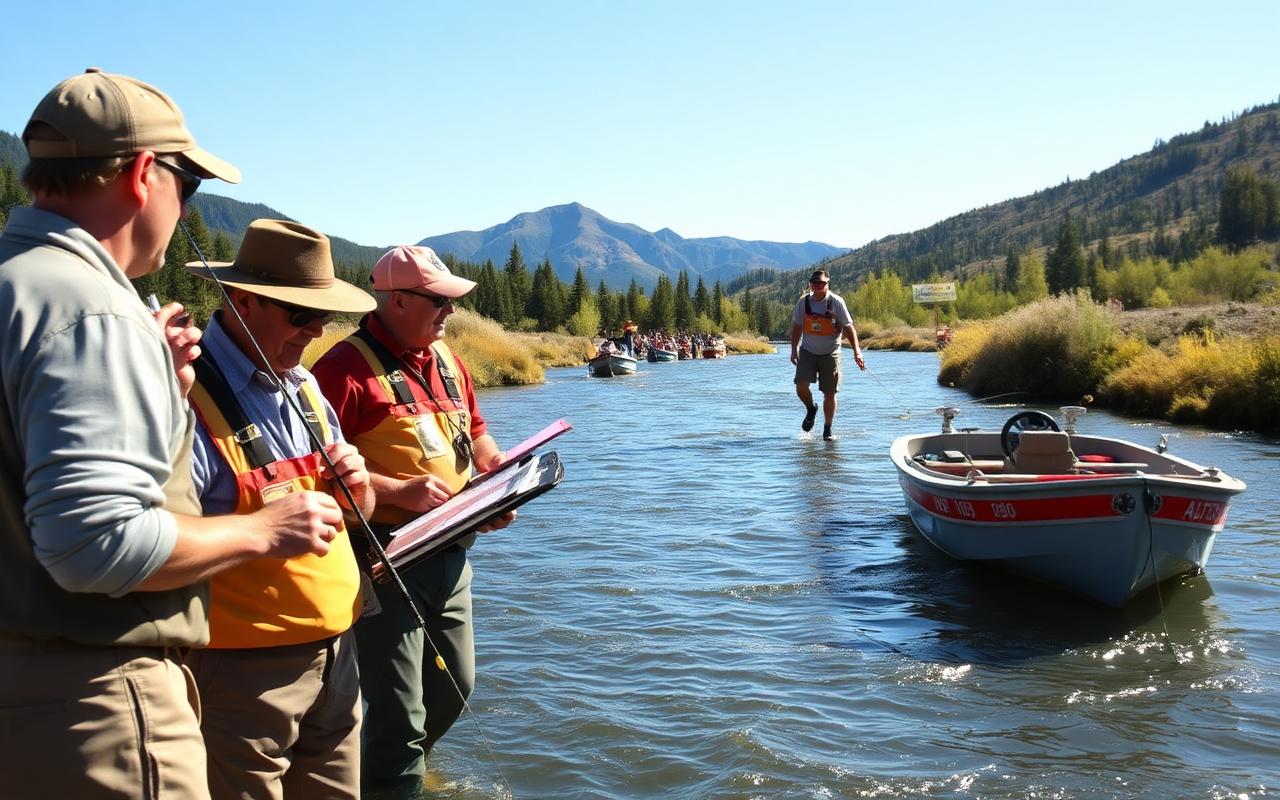
The premier event is the FIPS-Mouche World Fly Fishing Championships, held annually in a different host country. Teams of five anglers rotate through five sessions of three hours each on assigned beats of river or lake. Scoring is based on the number of fish landed above a minimum length, with tiebreakers based on total length. Barbless hooks are mandatory, and every fish is measured and released.
Techniques bred in competition
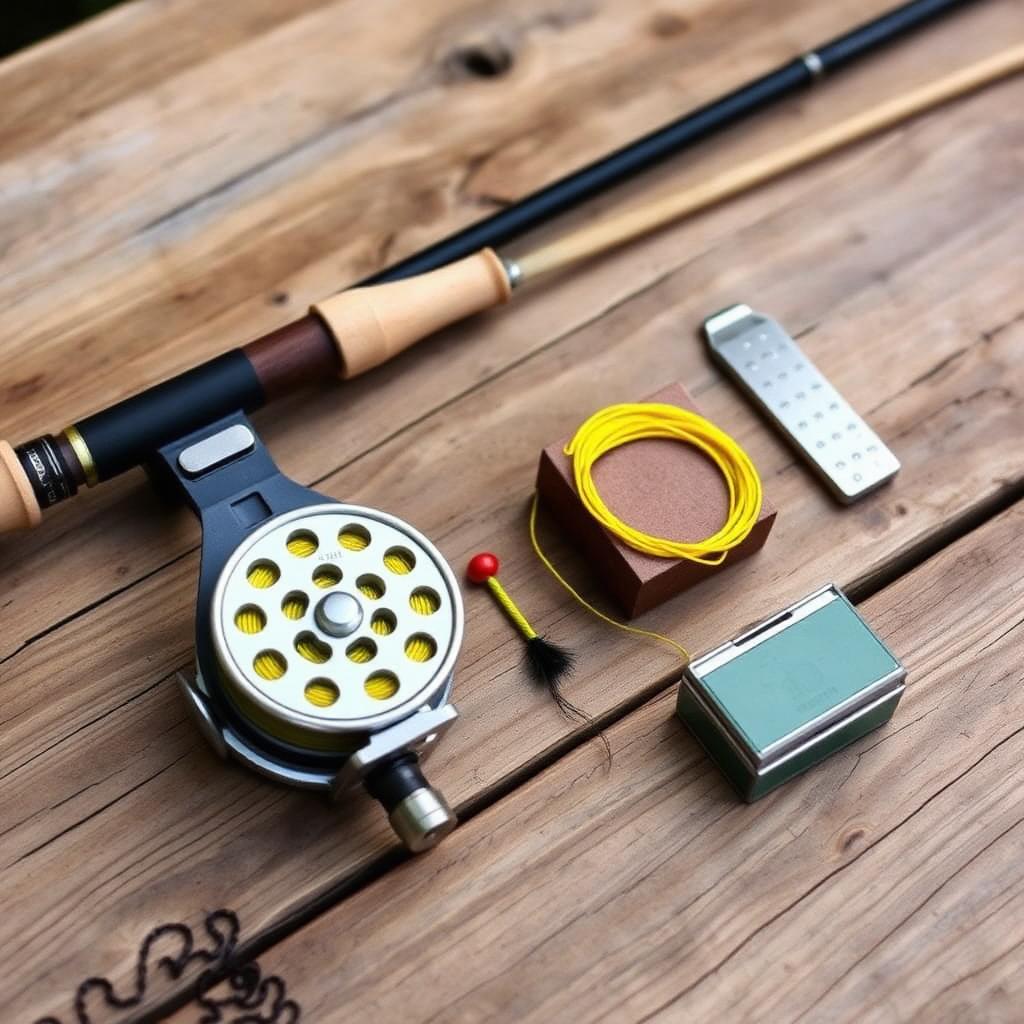
Competition forces efficiency. When you have three hours to catch as many fish as possible on assigned water, technique refinement happens fast. Modern euro nymphing — long rods, colored sighters, tight contact, weighted flies — was refined by Polish, Czech, and French competitors in the 1980s and 90s and has become the dominant nymphing method worldwide.
Major circuits and events
- World Fly Fishing Championships (FIPS-Mouche): The pinnacle, annually rotating.
- European Fly Fishing Championships: Regional qualifier, held annually.
- Commonwealth Fly Fishing Championships: UK, Australia, New Zealand, and others.
- US National Fly Fishing Championships: Fly Fishing Team USA selection circuit.
- Fly Fishing Masters (US): Regional team competitions across the American West.
The controversy
Competition fly fishing is not without critics. Purists argue that catch-per-hour metrics reduce the sport to a numbers game and encourage aggressive fish handling. Defenders point to strict handling rules, mandatory barbless hooks, and the technique innovations that benefit all anglers. Both positions have merit; the sport accommodates both.
Getting involved
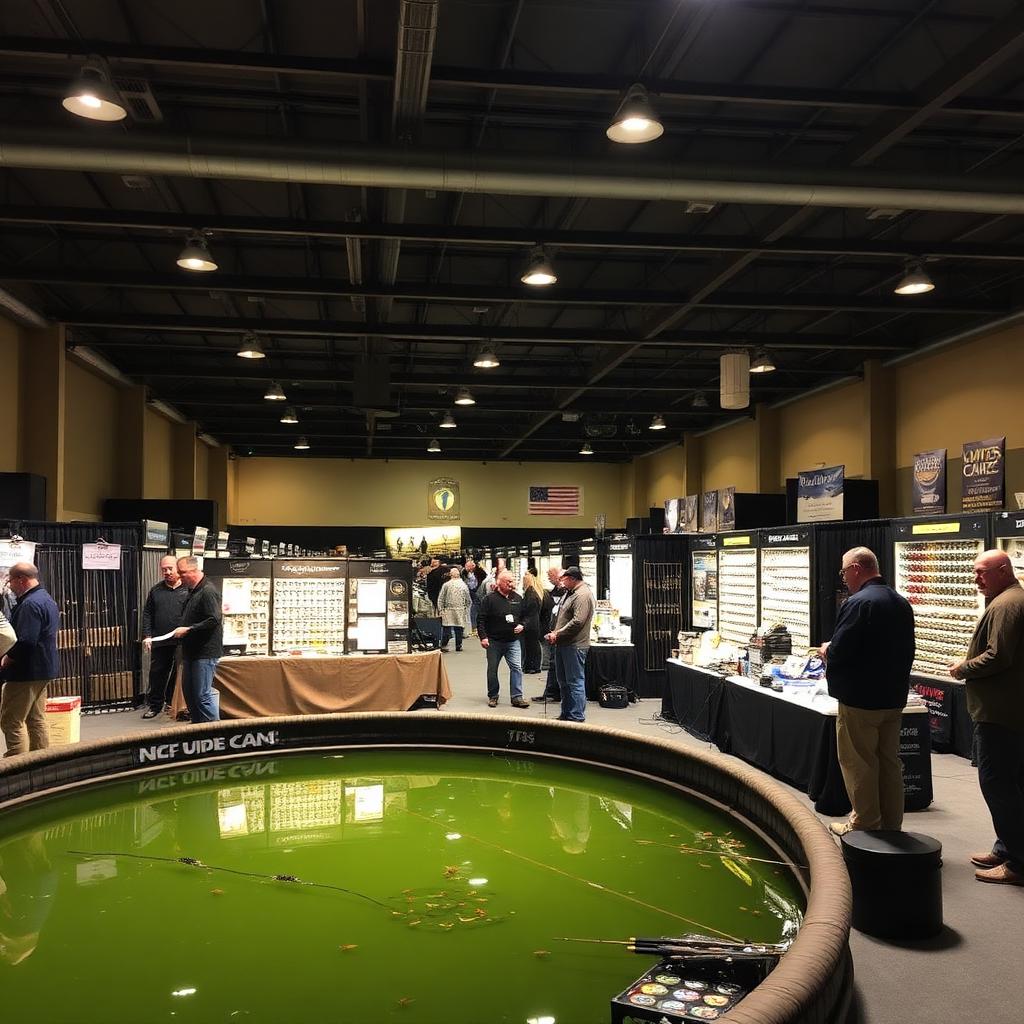
Most national teams run open qualifying events. Fly Fishing Team USA holds regional and national championships that anyone can enter — check flyfishingteamusa.com for the current calendar. Entry fees are modest ($100 to $300), and competing once is one of the fastest ways to level up your technical skills.
Fly tying competitions
Alongside fishing competitions, fly tying contests judge patterns for realism, durability, and creativity. Mustad Scandinavian Open, International Fly Tying Symposium, and national events showcase remarkable craftsmanship. Winning ties are often archived in museums and reference books.
Watching and learning
Even if you never compete, YouTube channels from competitive anglers — George Daniel, Devin Olsen, Lance Egan — offer some of the highest-value technical content in the sport. Their competition-tested techniques transfer directly to recreational fishing.
Youth programs
The Youth World Championships and various national youth teams introduce teenagers to competitive fly fishing. Programs like Trout Unlimited's Stream Explorers and the American Casting Association's youth clinics feed the pipeline. Encouraging young anglers into structured programs is arguably the sport's best long-term investment.
Competition is not the only path in fly fishing, but its influence on the modern sport is undeniable. Understanding where techniques came from makes you a better angler.
Even non-competitive anglers benefit from watching competition footage. The 'Modern Nymphing' film series and George Daniel's YouTube content are outstanding technical resources.
Frequently Asked
- Can anyone enter competitions?
- Yes. National circuits (Fly Fishing Team USA regionals) are open with modest entry fees.
- Are competition fish handled ethically?
- Rules require barbless hooks, measurement in the water, and rapid release. Standards are strict.
- Do I need special gear?
- Long Euro rods (10-11 ft, 2-3 wt) dominate. A standard 9-foot 5-weight is usable for entry events.
- How do I find a local event?
- flyfishingteamusa.com maintains a national calendar. Regional clubs run smaller informal events.