A Working Fly Fisher's Entomology
The four insect orders that produce 90% of trout diet — and how to identify what fish are eating right now.
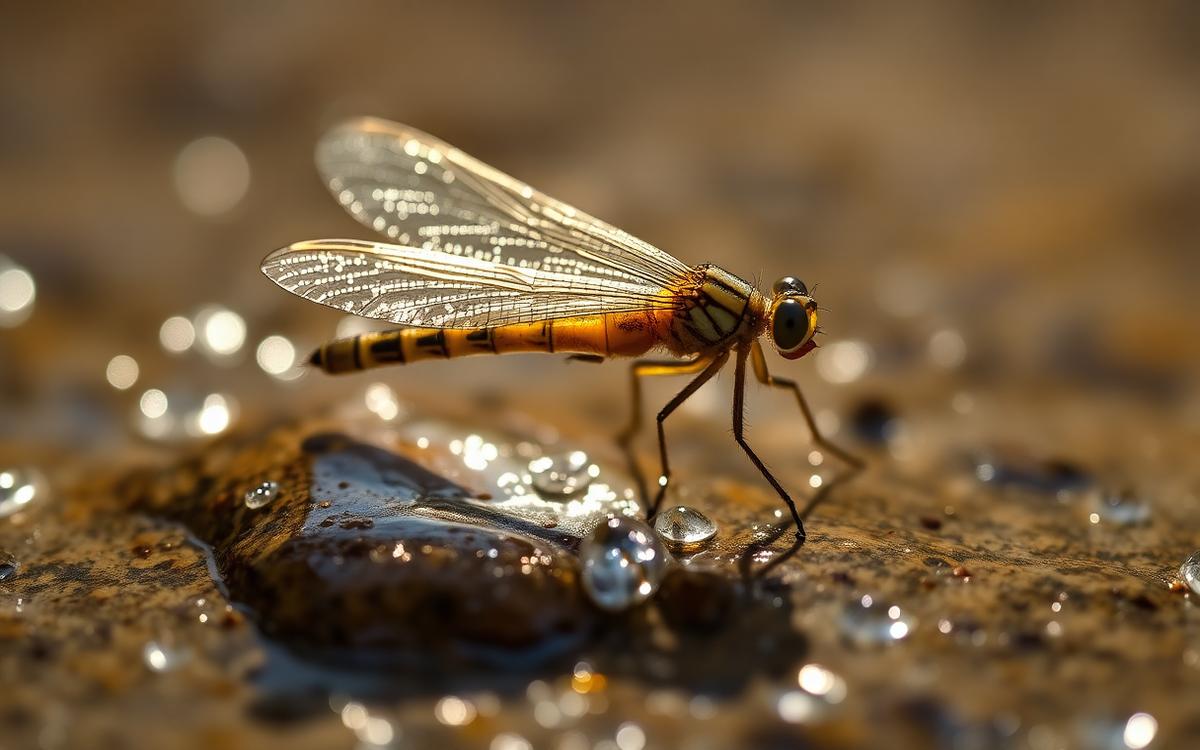
Entomology gives an angler the vocabulary to read a hatch. Mayflies, caddis, stoneflies, and midges together account for the overwhelming majority of trout diet in temperate waters.
Entomology is fly fishing's technical foundation. You do not need a biology degree to catch trout, but understanding what trout eat, when, and how it behaves in the water column separates anglers who improvise from anglers who solve the water in front of them.
The four insects that matter most
Ninety percent of trout diet across North America and Europe comes from four insect orders: mayflies (Ephemeroptera), caddisflies (Trichoptera), stoneflies (Plecoptera), and midges (Diptera). Terrestrials — ants, beetles, grasshoppers — matter seasonally but are secondary. Learn these four families and you have a working entomology.
Mayflies: the classic
Mayflies have a distinctive life cycle: aquatic nymph, emerging dun (adult with upright wings), and spent spinner (adult after mating, wings splayed). Each stage requires a different fly and technique. The Blue-Winged Olive, Pale Morning Dun, Trico, and Green Drake are the four mayflies every western angler learns first.
Caddisflies: the workhorses
Caddis are less romantic than mayflies but often more important. Larvae live in cases on the bottom; pupae emerge to the surface aggressively; adults fly tent-winged and skitter on the water. Elk Hair Caddis, X-Caddis, and LaFontaine's Sparkle Pupa are the essential caddis patterns.
Stoneflies: the giants
Stoneflies indicate cold, clean, oxygenated water — they are the trout river's indicator species. Nymphs are large (size 6-10), crawl on the bottom, and produce enormous hatches like the Salmonfly (Pteronarcys californica) that transform western rivers each spring. Adults are less important to imitate than nymphs.
Midges: small but constant
Midges hatch year-round, including through winter on tailwaters. They are the smallest insects trout eat — size 20-26 is common — and often the most abundant. Zebra Midge and RS-2 patterns cover most midge situations.
Reading the hatch
A hatch is not one event. It begins with nymphs becoming active near the bottom, progresses to emergers stuck in the surface film, then duns riding the surface, then spinners falling spent hours later. Fish target different stages at different times — and the angler who identifies which stage is being eaten out-catches the one who fishes the most obvious visible insect.
The stream-side kick sample
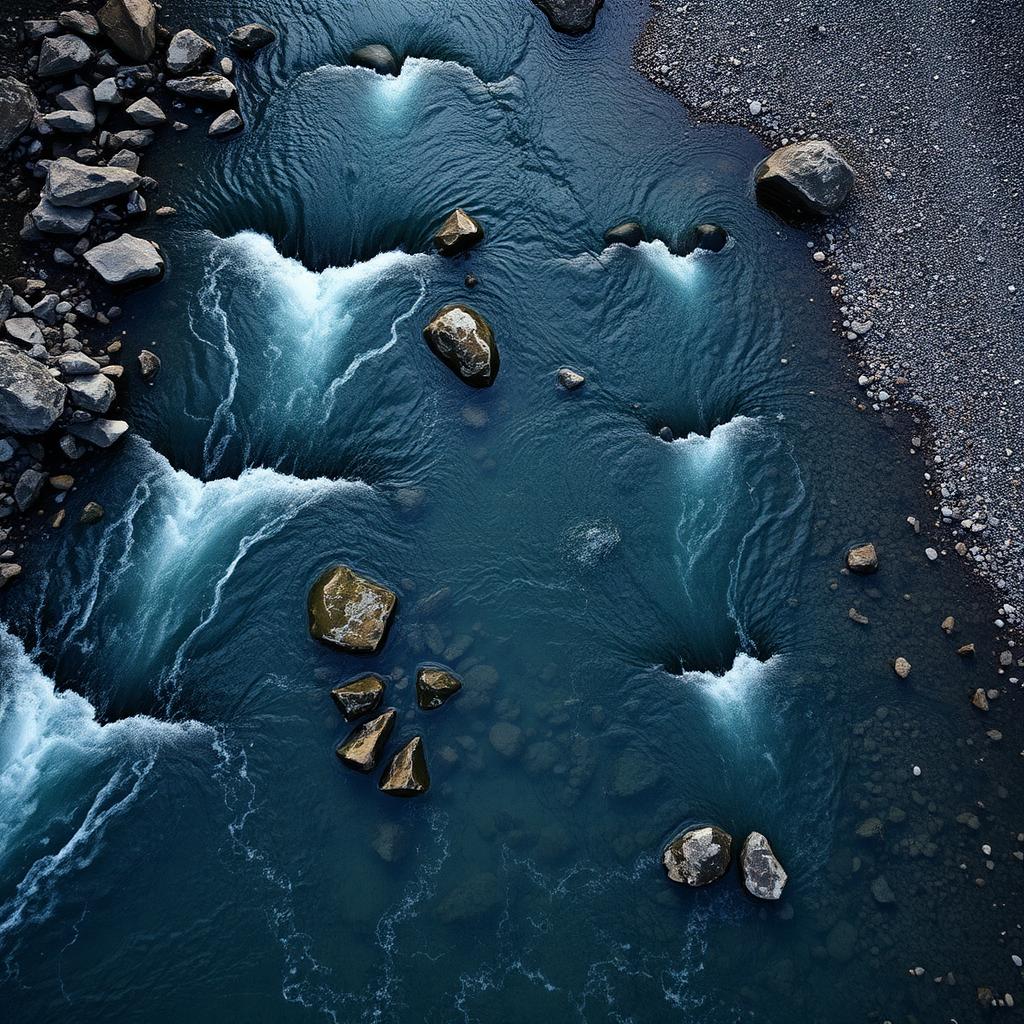
Walk to a riffle, kick your feet into the substrate, and hold a small aquarium net downstream. What washes into the net is what the trout are eating. This one-minute exercise teaches more about a river's insect life than a shelf of books.
Charts, apps, and observation
Every fly shop and many state fish agencies publish hatch charts for local waters. Print them, laminate them, keep them in your pack. Cross-reference against your own observation — hatch timing shifts with weather, elevation, and year — and gradually you build a personal entomology of your home water.
Entomology is not academic. It is the vocabulary of the river, and once you speak it, the sport opens dimensions that pure casting practice never can.
Carry a small aquarium net in your pack. A one-minute kick sample in a riffle tells you exactly what nymphs are active — better than any hatch chart.
Frequently Asked
- Do I need Latin names?
- Helpful but not required. Common names (Blue-Winged Olive, Pale Morning Dun) get you 90 percent of the way.
- How do I tell mayflies from caddis in the air?
- Mayflies fly with upright wings and drift up gently; caddis flutter erratically with tent-shaped wings.
- What is an emerger?
- The transitional stage between nymph and adult, stuck in the surface film. Often the most-eaten and least-imitated stage.
- Best beginner reference?
- Dave Hughes's <em>Handbook of Hatches</em> — compact, illustrated, and organized regionally.